The Story
Why it exists.
The beginning
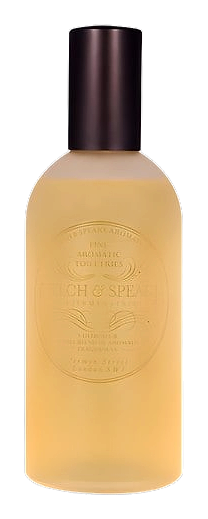
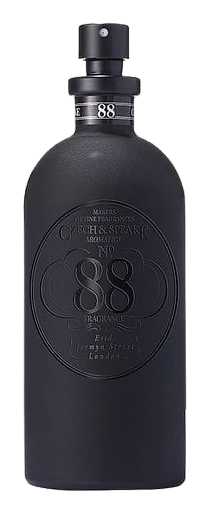
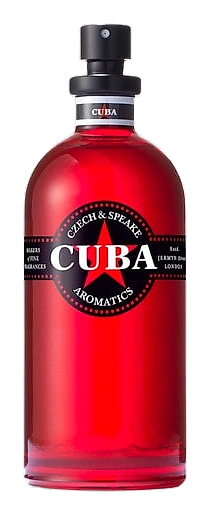
Frank Sawkins made trips to Cuba. What he brought back wasn't a concept, it was a feeling. The island's contradictions: dignity alongside sensuality, the weathered alongside the lush. He wanted to capture that, not just reference it. The result was Cuba, launched in 2002. Perfumer John Stephen built it from the island's palette, rum, tobacco, green spice, bright citrus, but filtered through British restraint. Not a tropical fantasy. A translation.
What makes Cuba work is its architecture. Mint and lime open sharp and bright, almost medicinal, almost a cocktail, before the heart reveals clove and bay leaf's camphor-like intensity. Rose and tonka bean soften the blow just enough. The composition doesn't try to smell like Cuba. It smells like what you'd want to smell like after being there.
The evolution
The opening hits fast: mint cools, rum warms, lime zest cuts through. Bergamot lingers in the background, giving the citrus a bitter edge that keeps it from being sweet. First hour is all freshness and spice. The heart takes longer to arrive, clove and bay leaf asserting themselves, with rose adding a floral weight that feels warmer than the top. By hour three, tobacco emerges. Smoky. Slightly animalic. Frankincense and cedar complete the drydown, creating a woody, resinous base that settles close to skin. Four hours in, there's still a trace, sweet, slightly smoky, and entirely wearable the next morning.
Cultural impact
Cuba occupies a specific space in the Czech & Speake lineup, louder and moreassertive than the house's usual restraint. Wearers describe it as the scent of someone who walks into a room and doesn't need to announce themselves. The rum-tobacco axis appeals to those who want warmth without sweetness, spice without aggression. Its 2002 launch predates the niche fragrance boom, placing it in an era when bold, aromatic compositions were more common in mainstream perfumery.