
The Story
Why it exists.
The beginning
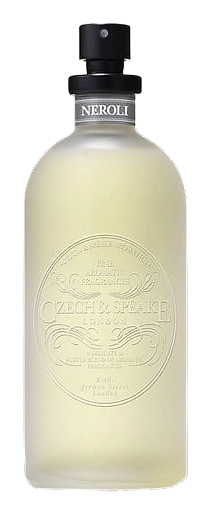
In 1981, Czech & Speake released Neroli as part of a small inaugural collection alongside No.88, the house's founding statement in scent. Perfumer John Stephen chose a note that was uncommon at the time: pure, unadorned neroli. Not a complex accord. Not a modern interpretation. Just the flower itself, built into a cologne that understood restraint as a form of confidence. The launch came from Jermyn Street, where the brand had moved from bathroom fittings into fragrance, same customer, same sensibility. Someone who wanted quality that spoke quietly.
The structural choice here is the lack of structure. Three notes. Two that are nearly the same thing. The opening IS the heart IS the foundation, the composition simply breathes outward from a single floral center rather than transforming through one. This sounds simple until you try it. Neroli and African orange blossom aren't identical; one carries that bitter edge, the other brings warmth. The tension between them IS the fragrance. Ylang-ylang in the base adds creaminess without sweetness, a powdery, tropical warmth that rounds the edges rather than filling them.
The evolution
It opens clean. Not soapy-clean, there's a green, slightly bitter edge to the neroli that keeps it honest. Within minutes the orange blossom softens, becoming warmer, sweeter, more intimate. The handoff happens gradually; you don't notice when one becomes the other. Then the ylang-ylang arrives. Not immediately. Give it an hour. The drydown is quiet, creamy, slightly powdery, warm in a way that reads as skin rather than perfume. On fabric, it lingers for two days. On skin, plan for 4-6 hours of quiet presence. The sillage never fills a room. That's not what this does.
Cultural impact
Neroli exists in a specific niche: the person who wants a classic cologne, not a modern fragrance. It was released in 1981 and has remained largely unchanged, a rarity in an industry built on reinvention. The white floral and citrus character places it firmly in British cologne tradition, where restraint and elegance matter more than innovation. Its cult status comes from being exactly what it promises: clean, quiet, and correct.