
The Story
Why it exists.
The beginning
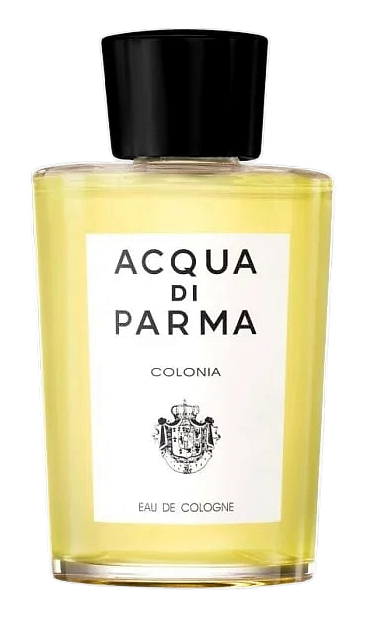
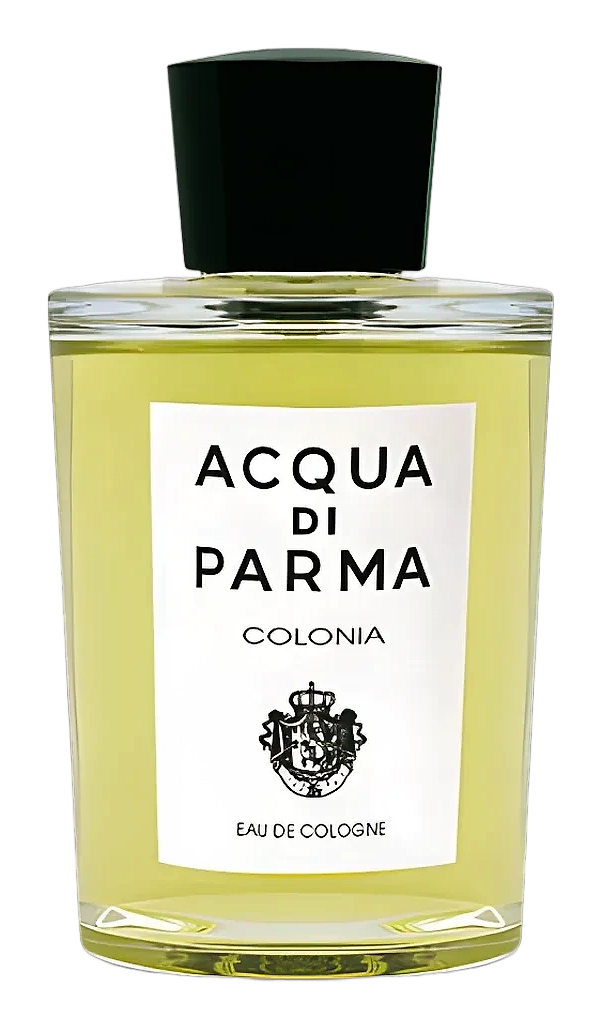
In 2007, Alberto Morillas revisited the Acqua di Parma tradition with a clear objective in mind. Bergamot and lemon arrive with characteristic Acqua di Parma clarity, but here they're anchored by ginger and cardamom, spices that add assertion without aggression. The result is a cologne that knows what it wants and doesn't need your permission. Colonia Intensa takes that same Italian elegance and gives it backbone.
The heart of neroli, artemisia, and myrtle is where this gets interesting. These aren't accidentals, they're the aromatics of Italian countryside distillation, the smell of things grown rather than formulated. Myrtle especially carries a Mediterranean specificity that grounds the citrus, keeps it from being abstract. Then cedarwood, benzoin, leather, and patchouli settle into the base. Each material earns its place. The leather isn't harsh; the benzoin sweetens without cloying. This is restraint as a choice, not a limitation, the same arte di vivere that defines the house, applied to a fragrance meant to last.
The evolution
The opening hits clean: bergamot and lemon at their most Calabrian, bright and certain. Ginger arrives within minutes, giving the citrus a spiced edge that most colognes don't attempt. This phase transitions smoothly before the neroli and myrtle take over, herbal, slightly medicinal, but warm. By the time the cedarwood begins asserting itself, the leather note emerges quietly, becoming the fragrance's real identity. Patchouli and benzoin add depth without sweetness. What follows is something entirely different from what you started with, still citrus, but now a citrus that knows where it lives. The drydown lingers close to the skin, the kind of presence you'd notice on a collar or a wrist, not across a room.
Cultural impact
Colonia Intensa occupies a distinct position within the Acqua di Parma range, offering the citrus clarity of the original Colonia in a richer, more substantial composition. The leather in the base provides a masculine edge without being heavy-handed, while the botanical elements keep it grounded in the house's heritage. This is a fragrance that works easily into an existing routine, neither demanding attention nor fading into the background.