James Henry Creed
James Henry Creed arrived in London from Leicester around 1710, a tailor by trade but one possessed of uncommon ambition. By 1760, according to house records, he had founded his fragrance house on Conduit Street, catering to London's most discerning clientele. The timing proved ideal. British nobility had developed a taste for sophisticated personal grooming, and Creed's meticulous approach to scent-making quickly attracted attention at court. His early success laid the foundation for what would become one of the oldest continuously family-owned perfume houses in the world. The house claims royal patronage began almost immediately, a distinction it has maintained across centuries. Whether legend or literal truth, this founding narrative speaks to the ambitions that drove a Leicester tailor to become synonymous with haute perfumery.
The hits
Notable creations
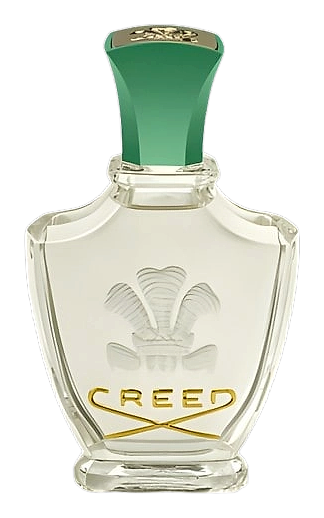
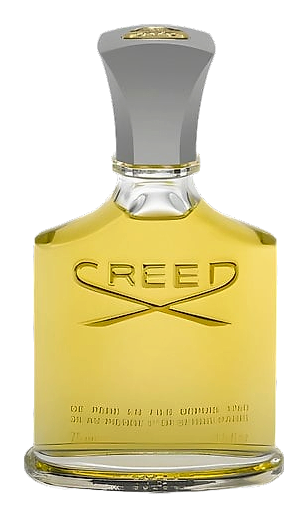
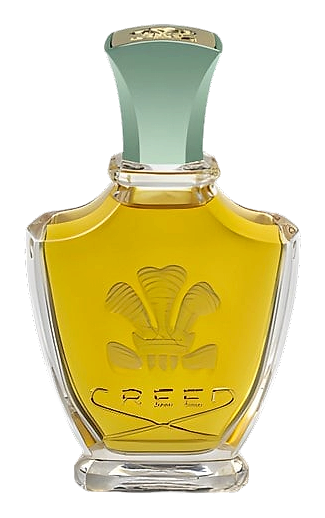
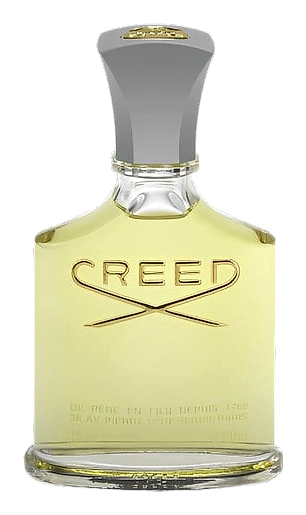
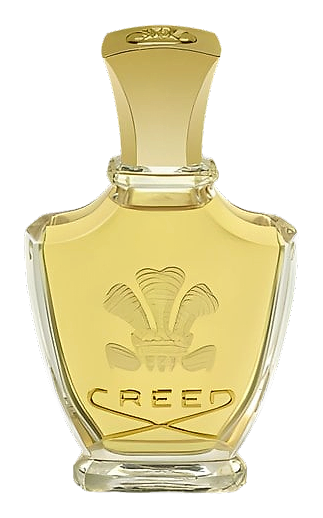
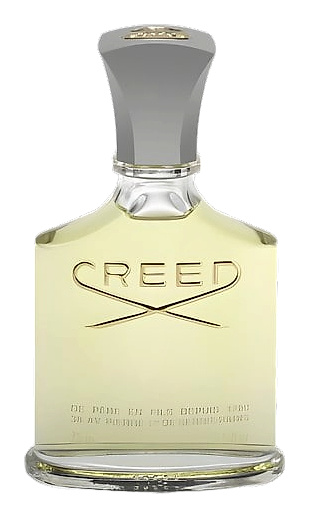
The signature
How James composes
The early Creed style favored classical aromatics: lavender, musk, amber, and citrus combinations that reflected contemporary English tastes. James Henry Creed's formulations drew from the then-novel concept of layering single notes into complex compositions. The house developed an expertise in creating fragrances that aged gracefully, a hallmark that persists in the brand today. Traditional perfumery techniques, careful maceration, and precise blending characterized the Creed approach from its earliest days.
Philosophy
What drives James
Creed approached fragrance as a craft demanding both artistic intuition and technical precision. Training occurred through apprenticeship, learning to compound and blend through direct experimentation with raw materials. The house built its reputation on discretion and exclusivity, creating bespoke fragrances for clients before offering select compositions to a wider audience. This dual approach, serving private patrons and a broader clientele, shaped the Creed philosophy of accessibility within restraint. Every formula required purpose, every ingredient demanded justification.
The houses
Maisons James composes for
In the same league