The Story
Why it exists.
The beginning
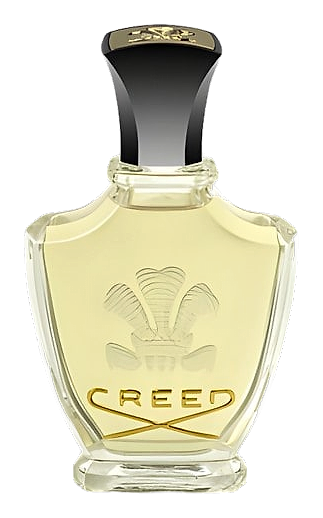
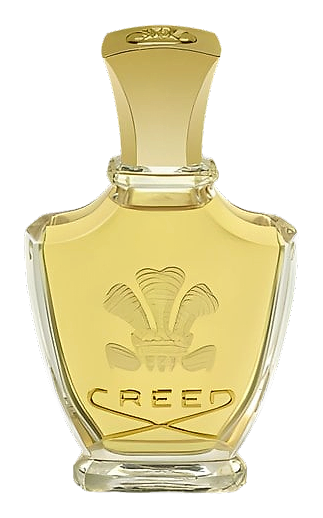
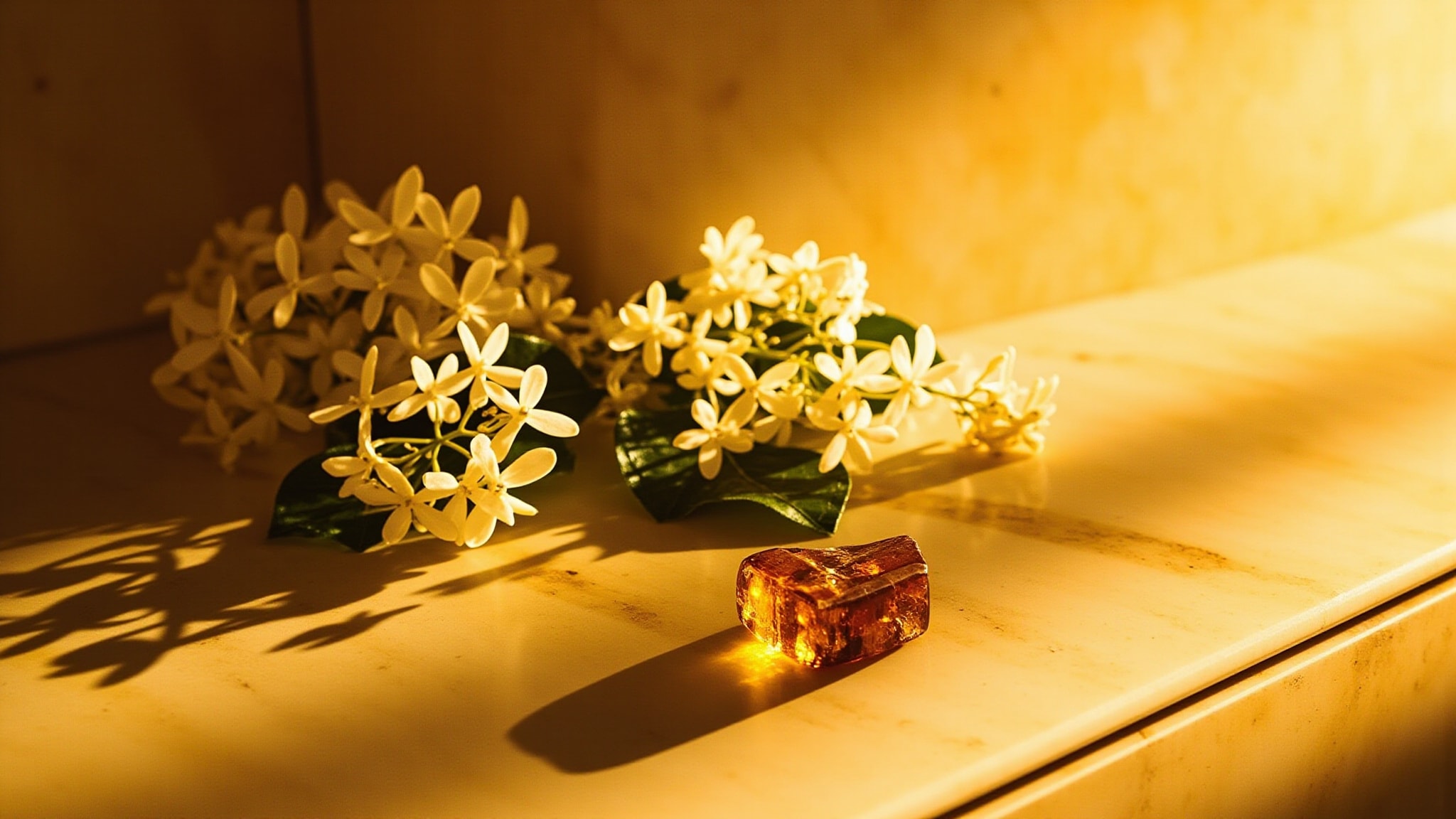
Jasmal arrived in 1959 from James Henry Creed. Italian and Moroccan jasmine formed the heart of this composition, but the real story was what surrounded them. Galbanum provided a striking green contrast, an almost medicinal sharpness that cut through the floral sweetness. Beneath it all, ambergris added a warm, animalic depth that gave the jasmine something to rest against. The name itself carried the weight of jasmine without stating it plainly. Actress Natalie Wood was among those who wore it. The fragrance simply existed, the kind of creation that appears when a perfumer follows instinct rather than trend.
The galbanum sets Jasmal apart from the beginning. It opens with a sharp, almost herbal bite, the green of crushed stems rather than the bloom itself. Combined with bergamot's brief citrus brightness, the top notes create an immediate tension that is uncommon in white floral compositions. The jasmine itself, sourced from Italian and Moroccan crops, carries different characters depending on origin. What emerges together is a jasmine that avoids delicacy and overwhelming intensity alike. It simply exists as itself, a floral note with structure and purpose rather than pure sweetness.
The evolution
The bergamot provides a brief opening, just long enough to clear the stage before the jasmine takes over. Then the jasmine arrives, flanked by galbanum's green sharpness and held close by ambergris. This is not a fragrance that announces itself. It wears close, intimate, as if the sillage was designed for the space between you and whoever sits beside you. Over time, the jasmine and ambergris settle into something warmer. Less bright. More worn. That animalic note, the one that gives jasmine a pulse, lingers longest. The drydown, if you catch it the next morning, smells like skin that has absorbed something beautiful. The progression from sharp green opening through rich floral heart to soft animalic base creates a complete arc that rewards patience.
Cultural impact
Jasmal has outlasted its era. Discontinued now, it exists as a quiet artifact of a particular moment in perfume history. The jasmine-green-animalic combination has aged into something that feels more intentional with time. What might have seemed unusual in 1959 reads differently today, as if the fragrance were ahead of its time. The blend of sharp green notes, rich jasmine, and warm animalic undertones creates something that holds together across decades.