
The Story
Why it exists.
The beginning
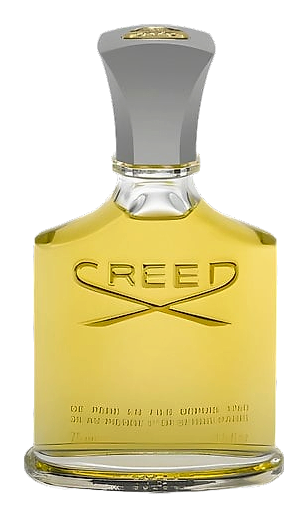
Acier Aluminium takes its name from the French for steel, a reference to the chain mail armor worn by medieval knights. In 1973, perfumers James Henry Creed and Bernard Ellena set out to bottle that image: the gleam of metal, the weight of tradition, the strength beneath. Bergamot opened sharp and metallic, the cold brightness of steel catching light. Ambergris grounded the composition like a second skin, warm, animalic, close. Fruit and spice layered in the heart, vanilla anchoring the base. The result was a fragrance that smelled like it had history. Not heritage marketing, actual history. The kind that accumulates across centuries of quiet confidence.
The note structure is deliberately minimal by modern standards. One citrus top. Two heart materials. Two base notes. But that restraint is the point, it forces each material to carry weight. The bergamot isn't decorative; it's structural, the way steel supports a bridge. Ambergris and vanilla create a base that behaves differently from most modern compositions: instead of projecting outward, it hugs the skin. This is the drydown people remember, warm, salty, animalic in a way that reads as skin, not perfume. The spicy-fruity heart is where opinions diverge. Some detect banana. Others find something more abstract, tropical sweetness that doesn't quite fit the masculine framing.
The evolution
The bergamot opens bright and metallic, cutting through like light on a blade. It lasts twenty minutes before the heart takes over, fruity, warm, unexpectedly soft. The handoff is gentle, not dramatic. The ambergris arrives quietly in the base, bringing that salty-animalic quality that makes skin smell like skin. Vanilla follows, smoothing everything into a warmth that doesn't shout. By hour three, the sillage has pulled back to moderate. The wearer notices it more than the room. That's by design. The drydown lingers for hours after, ambergris and vanilla, close and intimate, still present the next morning on fabric. Eight to ten hours is the range, though dry skin may pull shorter. What surprises is not the longevity but the restraint, nothing fades aggressively, nothing announces itself. The fragrance simply stays.
Cultural impact
Acier Aluminium sits outside the modern mainstream. Released in 1973, it predates the fragrance culture as we know it, no the community, no YouTube reviewers, no hype cycles. What it has instead is longevity in the truest sense: a formula that still holds after fifty years. The old-world masculinity it projects appeals to a specific wearer, someone who doesn't need their fragrance to start conversations. The moderate sillage and 8-10 hour longevity make it a quiet companion rather than a statement piece. Among Creed's catalog, it occupies a particular niche: for those who want heritage without the performance drama of Aventus.