
The Story
Why it exists.
The beginning
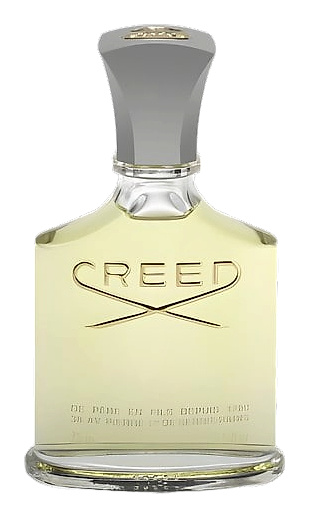
Royal Scottish Lavender was born from a specific place and a specific moment in time, Balmoral Castle, the Scottish estate that became Queen Victoria's favorite retreat from the pressures of court. James Henry Creed crafted this fragrance in 1856 to capture something the bergamot-lit mornings and lavender-dusted evenings of that landscape offered: a kind of country calm that felt earned, not purchased. The name itself is a statement, not Provençal lavender, not a perfumer's abstraction, but Scottish lavender, with all the ruggedness that implies. It was a fragrance for those who understood that the highlands were not a backdrop but a presence.
What makes Royal Scottish Lavender stand apart from the lavender crowd is its refusal to go soft. Where many aromatic fragrances lean into powder and comfort, this one keeps its structure, the clove adding a quiet spiced warmth, the sandalwood grounding the top notes in something that feels substantial rather than fleeting. The result is a fragrance that smells like it belongs outdoors, in motion, on someone who didn't need to announce themselves when they walked in. It's sparse in the way that old aristocratic things often are, confident enough to be understated.
The evolution
The bergamot opens sharp and citrus-bright, cutting through like cold air on a Scottish morning. Within minutes the neroli softens, but only slightly, it never fully disappears, instead threading a faint floral sweetness through the lavender that follows. The heart is where this fragrance makes its case: dry, green, slightly bitter lavender, not the rounded lavender of soaps and sachets but something rawer, less domesticated. Clove lingers here, warm and quiet, a reminder that this isn't trying to be gentle. The drydown is where sandalwood takes over, creamy but restrained, with amber and vanilla arriving late to add a warmth that stays close to the skin. Four to six hours on most, moderate sillage throughout. On fabric, it holds longer, the lavender-green fading into a quiet wood-and-vanilla that can still be detected the next morning.
Cultural impact
Royal Scottish Lavender sits at an interesting intersection: an aromatic fougere that predates most of the fragrance industry as we know it. While it shares DNA with Guerlain's Jicky and other classical lavender scents, it occupies its own space, drier, more restrained, less interested in comfort than in character. For those who appreciate the genre, this is a piece of history that still holds its own.