
The Story
Why it exists.
The beginning
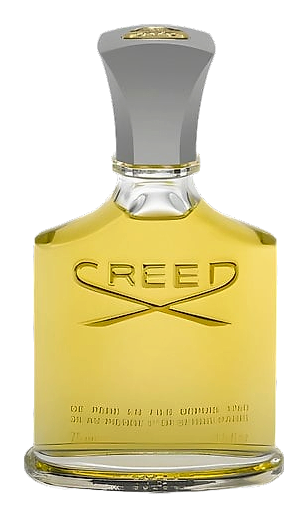
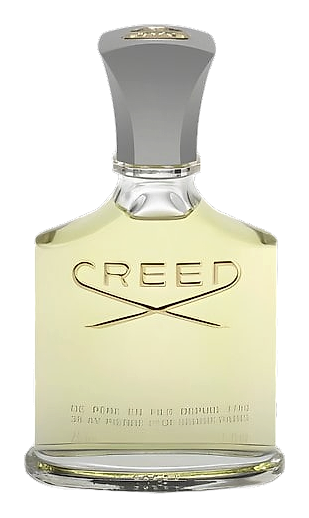
Ambre Cannelle arrived in 1949 under James Henry Creed, a perfumer working within one of fragrance's most storied houses. The name is direct: amber and cinnamon, the two materials that anchor this composition and lend it both warmth and bite. Creed built this as a declaration rather than a conversation, something that announces itself not with subtlety but with the quiet authority of a brand that had already been creating scents for nearly two centuries by this point. The fragrance was rumored to travel in specific circles, whispered about in connection with Eva Perón, the former first lady of Argentina. Whether that claim is verified or apocryphal, it says something about the kind of presence Ambre Cannelle was understood to have: political, elegant, and unmistakable. The Patagonian amber in the base gives the fragrance a geographic specificity unusual for its era.
The structural logic of Ambre Cannelle is worth sitting with. Bergamot and red berries form a top that reads as almost confectionary, sweet, bright, approachable. The coriander in the heart is where most people either lean in or pull back. It is aromatic and slightly soapy at its edges, a material that can feel like fresh air or cleaning product depending on what surrounds it. Here, Creed surrounded it with rose tincture, a material that carries both the sweetness of rose and the depth of something almost resinous, and let the coriander serve as the bridge between the fruity opening and the resinous base. The base is where the fragrance earns its name.
The evolution
Ambre Cannelle opens bright, bergamot and red berries arrive quickly, giving the first ten minutes a sweetness that feels almost playful. The berries are not jam; they read as fresh, slightly tart, the kind of sweetness that wakes things up rather than fills them in. The bergamot adds a citrus edge that keeps the top from feeling heavy. Within twenty minutes, the coriander begins to assert itself. This is the phase that defines the fragrance's character for most wearers. The coriander arrives with an aromatic, slightly soapy quality that can feel like fresh air or like something cleaning-related, the difference depends on what your nose has been trained to find. Here, surrounded by rose tincture and the amber beginning to warm from the base, the coriander reads as green and alive. It cuts through the sweetness of the opening without canceling it. This is the hand-off: berries step back, coriander steps in, amber waits. By the second hour, the amber has arrived fully.
Cultural impact
Ambre Cannelle occupies an unusual position in the Creed catalog: discontinued, obscure, and rumored to have been worn by Eva Perón. The fragrance was never a blockbuster, its specificity (Patagonian amber, coriander-rose heart) suggests it was designed for a customer who knew exactly what they wanted and would not accept substitutes. The discontinuation, whether due to sourcing challenges or insufficient commercial performance, has only deepened its appeal among collectors and Creed enthusiasts who track down what the house once made and no longer does.