

The Heritage
The Story of Leonard
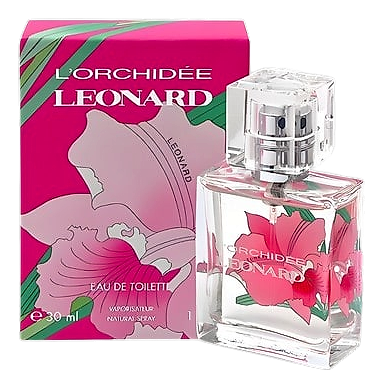
Leonard Paris is a French perfume house that has quietly built a catalogue of distinctive scents since the late 1950s. Founded by Daniel Tribouillard, the brand blends classic French techniques with a modern sensibility, offering fragrances that range from the crisp freshness of Eau Fraiche de Leonard (1974) to the warm spice of Tamango (1977). Its bottles carry a minimalist design marked by an orchid motif, reflecting a commitment to understated elegance that appeals to collectors and everyday wearers alike.
Heritage
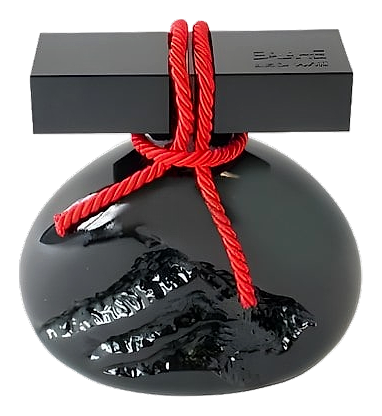
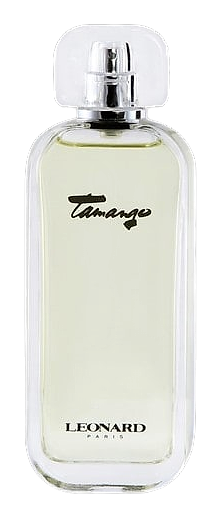
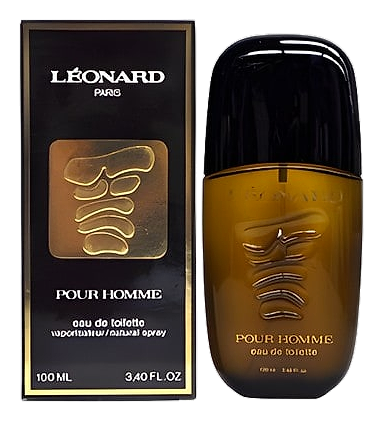
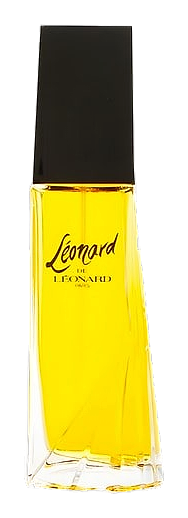
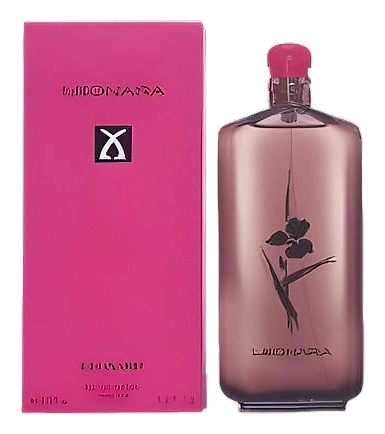
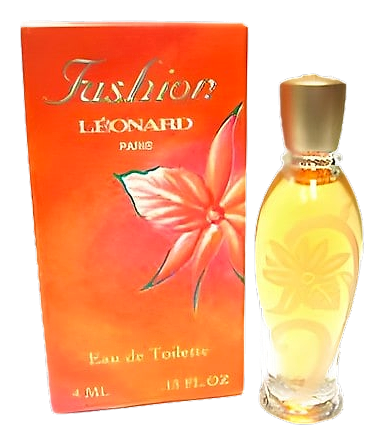
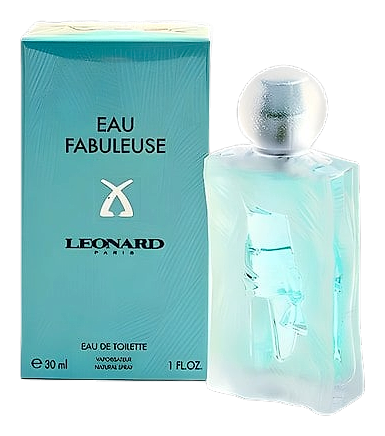
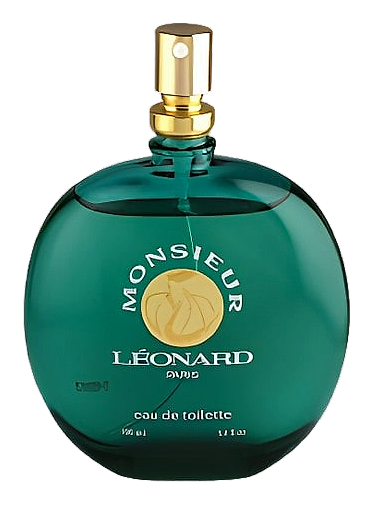
The story of Leonard Paris begins in 1958 when Daniel Tribouillard opened a small workshop in Paris with a single goal: to create perfumes that honored the heritage of French perfumery while speaking to contemporary tastes. Early on, the brand adopted the orchid as its visual emblem, a nod to the delicate wildflowers that inspired Tribouillard’s aesthetic. The first notable launch, Fashion (1970), captured the spirit of the era with a light, airy composition that resonated on the Paris runway. In 1974 Leonard introduced Eau Fraiche de Leonard, a citrus‑green fragrance that cemented the house’s reputation for clean, wearable scents. The following year, Tamango arrived, an oriental blend that quickly gained a cult following for its bold amber and spice notes. The 1980s saw a series of successful releases: Leonard Pour Homme (1980) offered a refined masculine profile; Balahé (1983) explored exotic woods and incense; and Leonard de Leonard (1989) celebrated the brand’s own identity with a sophisticated floral‑amber accord. Monsieur Leonard (1992) continued the tradition of elegant masculinity, while the turn of the millennium brought Leonara (2001) and Nuit Fabuleuse (2001), both of which highlighted the house’s ability to evolve without abandoning its roots. Throughout its history, Leonard Paris has remained independent, avoiding acquisition by larger conglomerates and preserving its artisanal approach. The brand’s longevity reflects a steady commitment to quality, a respect for the craft of perfumery, and an ability to adapt to shifting market preferences while staying true to its original vision.
Craftsmanship
Production at Leonard Paris follows a blend of heritage techniques and contemporary quality controls. Raw materials are sourced from established growers in Grasse for natural absolutes, while synthetic aromachemicals are procured from reputable European manufacturers that meet REACH standards. Each fragrance is formulated in a small laboratory where a lead perfumer works closely with an assistant to refine the accord through iterative testing. Once a formula is approved, the blend is transferred to a stainless‑steel mixing tank, where precise temperature and timing are monitored to preserve volatile top notes and ensure consistent integration of base components. The house employs a batch‑size approach, typically producing no more than 5,000 bottles per launch, which allows for hand‑filled bottling in a climate‑controlled environment. Quality assurance includes gas‑chromatography analysis of each batch to verify concentration levels and detect any deviations. Bottles are inspected individually for clarity and seal integrity before being packaged in recyclable cardboard. The orchid emblem on the cap is applied by hand, reinforcing the artisanal feel. Throughout the process, the brand adheres to French regulations governing cosmetics, and it voluntarily participates in industry audits that assess environmental impact and worker safety. This meticulous attention to detail ensures that every Leonard Paris perfume delivers the intended olfactory experience from the first spritz to the lingering dry‑down.
Design Language
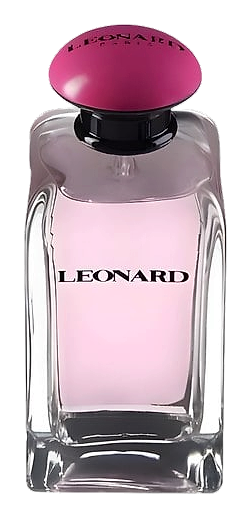
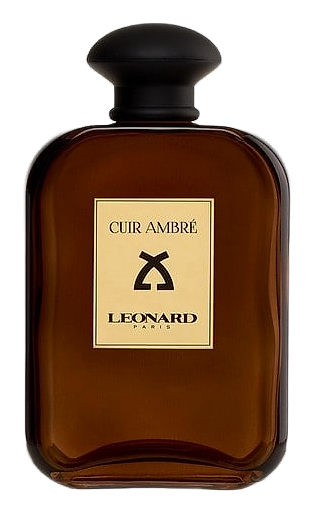
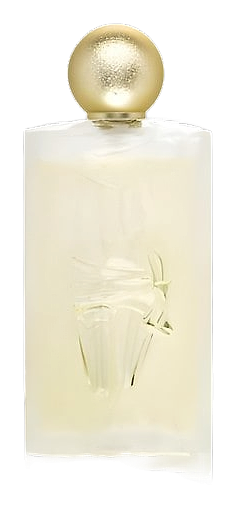
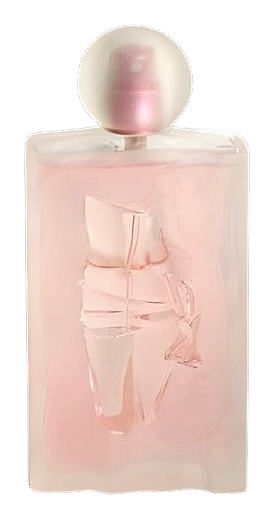
Visually, Leonard Paris embraces a restrained elegance that mirrors its olfactory philosophy. Bottles are typically clear glass with clean lines, allowing the perfume’s color to become part of the design. The label features a simple serif typeface, the brand name in black, and a small embossed orchid that serves as both a decorative element and a tactile cue. Caps are often matte metal or brushed aluminum, stamped with the orchid motif, reinforcing the connection between scent and visual identity. Color palettes for packaging are muted – soft ivory, pale gray, or deep navy – chosen to evoke the mood of the fragrance inside rather than dominate it. Advertising imagery relies on natural settings, such as a sun‑lit garden or a quiet atelier, underscoring the brand’s commitment to authenticity. In retail, Leonard Paris displays its products on minimalist wooden shelves, accompanied by handwritten notes that describe the inspiration behind each scent. This understated presentation differentiates the house from more flamboyant luxury brands, positioning it as a quiet confidant for those who appreciate subtle sophistication. The overall aesthetic conveys a sense of timelessness, inviting consumers to experience perfume as a quiet, personal ritual rather than a loud statement.
Philosophy
Leonard Paris approaches fragrance as a personal narrative rather than a fleeting trend. The house believes that a perfume should accompany its wearer through different moments, offering continuity and subtle transformation. This perspective drives a focus on timeless structures, balanced compositions, and ingredients that age gracefully on the skin. The brand values authenticity, sourcing raw materials that honor traditional French methods while integrating modern aromachemicals when they enhance stability or nuance. Sustainability is addressed through careful selection of suppliers who practice responsible farming, especially for natural extracts such as jasmine, rose, and citrus. Leonard Paris also encourages individuality; each scent is crafted to be versatile, allowing the wearer to interpret it through personal chemistry. The orchid motif, present on every bottle, symbolizes the blend of art and science that the house strives to achieve, reminding consumers that fragrance is both a creative expression and a technical discipline. By maintaining a modest release schedule, the house ensures that each new perfume receives full creative attention, reinforcing a philosophy that quality outweighs quantity.
Key Milestones
1958
Daniel Tribouillard establishes Leonard Paris in Paris, adopting the orchid as the brand’s emblem.
1970
Launch of Fashion, the house’s first major fragrance, reflecting the era’s light, airy style.
1977
Tamango debuts, becoming a cult classic for its bold amber and spice composition.
1983
Balahé is released, exploring exotic woods and incense, expanding the brand’s olfactory range.
1992
Monsieur Leonard arrives, offering a refined masculine scent that reinforces the house’s reputation for elegance.
2001
Leonara and Nuit Fabuleuse launch, marking the brand’s entry into the new millennium with modern yet timeless creations.
At a Glance
Brand profile snapshot
Origin
France
Founded
1958
Heritage
68
Years active
Release Rhythm


