Louis Monnet
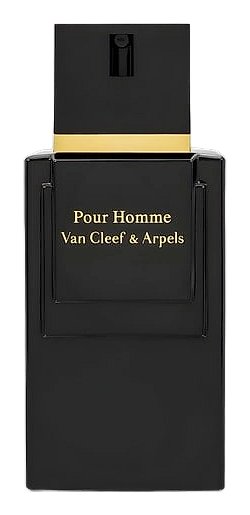
Louis Monnet arrived in France to study perfumery and left having discovered something unexpected about himself. His own words describe the experience as a journey of self-understanding, where the technical study of scent became inseparable from a deeper exploration of identity. In 1978, Monnet created Van Cleef & Arpels Pour Homme, a fragrance that would earn recognition as one of the true trendsetters in men's perfumery. The scent arrived at a pivotal moment in fragrance history, and its impact resonated well beyond its initial launch. Working alongside renowned bottle designer Pierre Dinand, Monnet helped establish a benchmark for masculine elegance that other houses would reference for decades. His background blends scientific discipline with genuine creative curiosity, a combination that produced work of lasting influence.
The hits
Notable creations
The signature
How Louis composes
Van Cleef & Arpels Pour Homme reveals a perfumer with a confident command of masculine codes. Monnet understood how to balance strength with refinement, creating a scent that felt both assertive and sophisticated. His compositions show attention to structure and progression, with an emphasis on clarity and balance rather than complexity for its own sake. The 1978 fragrance demonstrated his ability to create something that felt contemporary at launch while aging into classic status, suggesting a nose tuned to both immediate impact and lasting resonance.
Philosophy
What drives Louis
Monnet approaches fragrance creation as both science and autobiography. He came to perfumery as a student, embracing the analytical study of scent compounds while remaining open to what the craft might reveal about him personally. Rather than chasing trends, he seems drawn to understanding the timeless principles that make a fragrance resonate across generations. His work suggests someone who treats each creation as an opportunity to articulate something genuine, even when working within the commercial constraints of a prestigious house.
The houses
Maisons Louis composes for
In the same league