
The Story
Why it exists.
The beginning
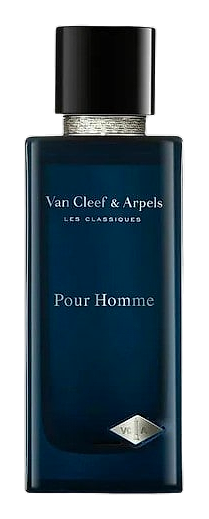
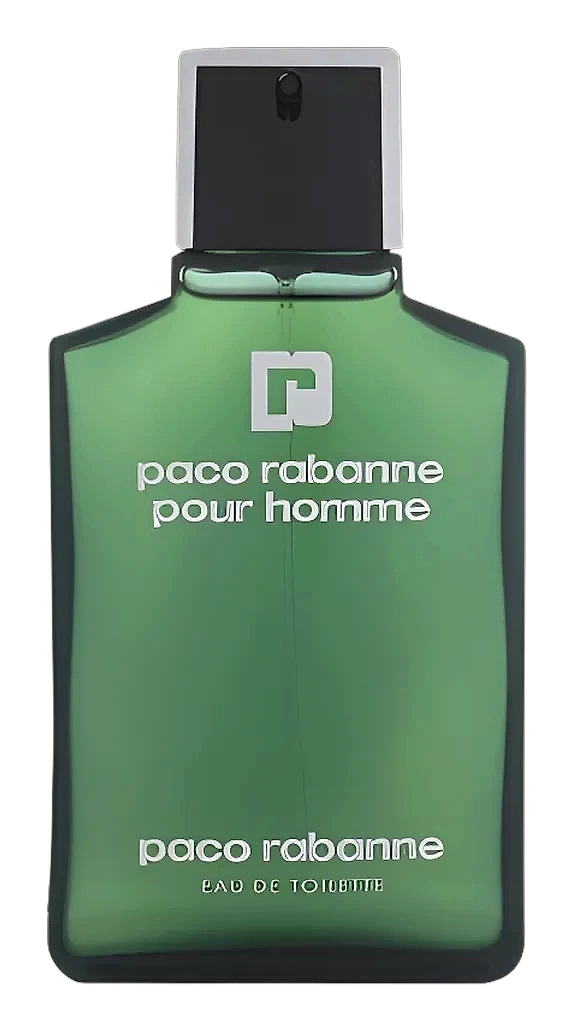
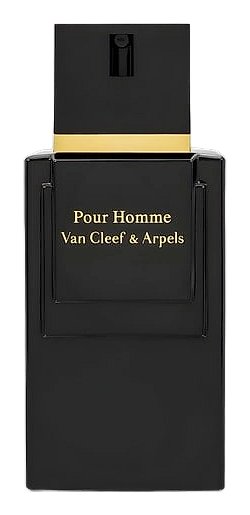
Louis Monnet created Pour Homme in 1978, at a moment when masculine fragrance was being redefined. The market was crowded with powerhouses, but Monnet had a specific idea: build something that would outlast trends, not chase them. He structured the composition around a classical aromatic opening, sage, rosemary, basil, then layered it into a warm heart of rose and clove that didn't apologize for its richness. The leather base wasn't a surprise; it was the point. Pour Homme was designed to be worn by men who would still reach for it decades later. That bet paid off.
The leather-chypre structure is what separates this from its contemporaries. Most masculine fragrances of the era leaned either too fresh or too animalic. Monnet found the middle ground: a composition that opens with the clarity of herbs and gradually deepens into something with weight and presence. The rose in the heart isn't decorative, it's structural, bridging the aromatic top and the leather base in a way that keeps the fragrance coherent as it evolves. This is what makes Pour Homme feel considered rather than calculated. Each phase hands off to the next without a jarring transition. The frankincense and labdanum in the base don't announce themselves. They linger.
The evolution
The opening hits fast, sage and bergamot arrive together, with juniper threading through in the first five minutes. There's a greenness here that feels immediate and clean, like crushed herb stems on warm skin. By the 20-minute mark, the warmth kicks in. Rose and clove take over the heart, and the leather begins to establish itself underneath. This is where Pour Homme reveals its true character: not a linear progression from fresh to warm, but an overlap. The herbs don't fully recede. They coexist with the spice and leather for the next two hours. The drydown arrives quietly around hour three, dark leather, sandalwood, and a faint smoky labdanum that settles close to the skin and stays there. On clothing, the leather can be detected the next morning. On skin, expect 8 to 10 hours of evolution, with the final hour being the most quietly impressive: warm, intimate, and entirely its own.
Cultural impact
Pour Homme became a reference point for classical masculine fragrance in the decades following its 1978 launch. Wearers describe it as the scent of a man who knows exactly who he is, not because he announces it, but because the composition itself refuses to negotiate. In the world of heritage masculine chypres, this fragrance occupies a specific and lasting position: not the most famous, but among the most respected by those who understand what they're smelling.