Dark Leather
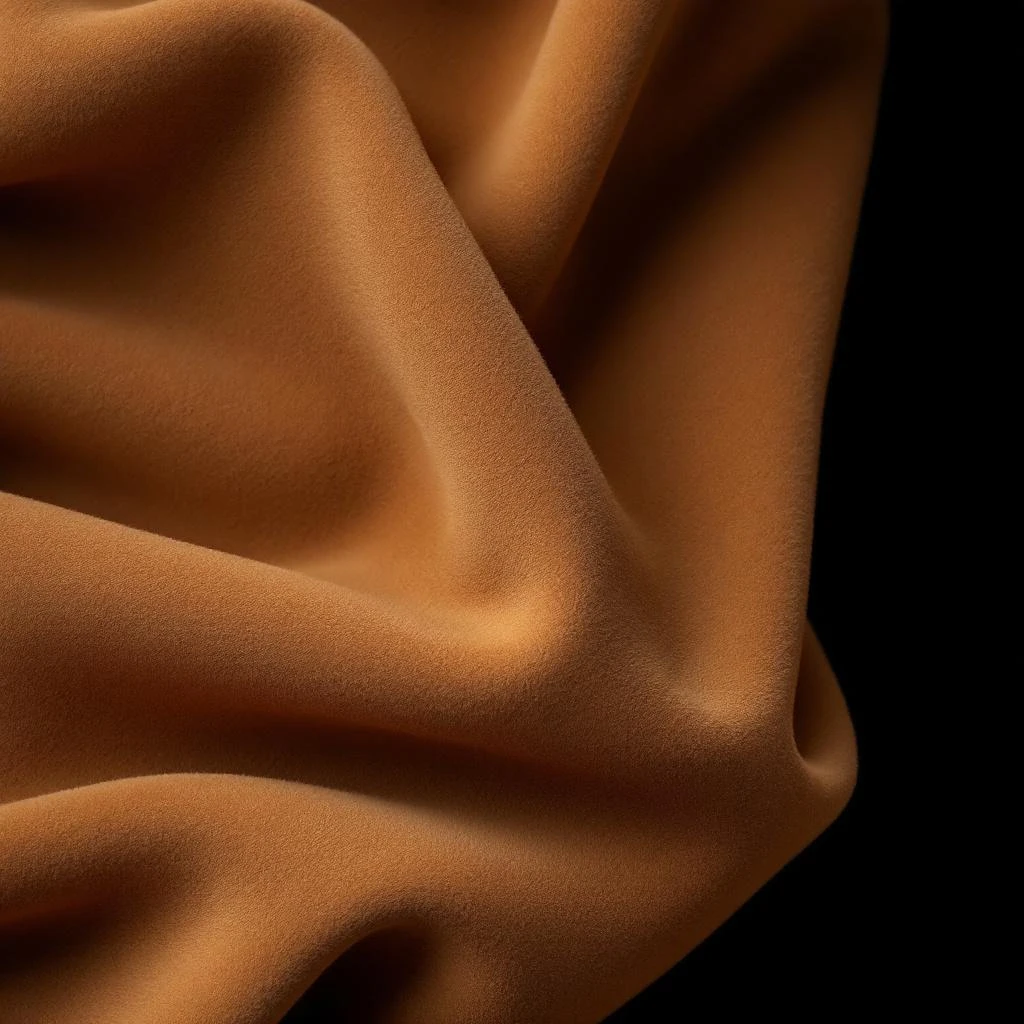
Dark leather is one of perfumery's most ancient accords, born from tanners treating hides with bark and smoke. Today, it captures the essence of aged leather: warm, smoky, dry, and irresistibly tactile.
Character
How it smells
The scent of worn saddles, woodsmoke, and ancient trade routes.
Castoreum, a secretion from beaver scent glands, is one of perfumery's oldest leather materials and takes months to extract properly.






Origin
Sweden
The link between leather and fragrance stretches back to 2000 BC in Asia, where tanners scented hides using kumquat tree bark. During the Middle Ages, Spain became the center of perfumed leather production, developing techniques for creating aromatic gloves that masked the harsh smell of chrome tanning. These Spanish methods spread across Renaissance Europe through trade.
The modern leather accord emerged in 19th-century Grasse, France, where Maîtres Gantiers perfumers created sophisticated leather tinctures. By the 1920s, leather notes had become a perfumery staple, dominating fragrances from luxury houses to tobacco blends through the 1970s.
Wears it best
Fragrances featuring Dark Leather
Brands
Brands known for Dark Leather
Good to know
Questions, answered
The essentials on Dark Leather in perfumery: how it smells, where it comes from, and how it behaves on skin.
What creates leather notes in modern perfumery?
Leather notes in modern perfumery are created using birch tar, cade oil, and synthetic aromachemicals. Birch tar from northern Europe delivers smoky, phenolic leather character, while cade oil offers a drier, more medicinal leather tone. Synthetic molecules like isobutylquinoline replicate leather's distinctive dry, ambery qualities at scale.
When did perfumers first start using leather in fragrance?
Leather and fragrance were linked by 2000 BC in Asia, where tanners treated hides with kumquat bark. Spain developed formal perfumed leather techniques during the Middle Ages, and Grasse, France, created the first modern leather accord in the 19th century. By the 1920s, leather was a mainstream perfumery note.
What does the 'dark' in dark leather mean?
Dark leather refers to leather notes with smoky, tarry, and sometimes animalic qualities. These contrast with lighter leather notes that smell clean and papery. Birch tar and cade oil produce the darkest leather characters, while castoreum adds warm, animalic depth.
Is dark leather a natural or synthetic material?
Both. Birch tar and cade oil are natural materials extracted through pyrolysis. Castoreum comes from beaver scent glands. Modern perfumers also use synthetic aromatic molecules that mimic leather's scent profile without relying on raw natural materials.
Which fragrance families pair best with leather notes?
Chypre, fougère, and tobacco accords pair best with leather notes. Leather also complements orientals and woody compositions, adding warmth and a tactile, worn quality. Aromatic herbs like lavender and sage amplify leather's dry character in fougère structures.
How do perfumers create leather notes today?
Modern leather notes rely heavily on synthetic aromachemicals like isobutylquinoline, which deliver consistent leather character at scale. Natural materials like birch tar and cade oil remain valued for their complexity. Castoreum, from beaver castor sacs, adds warm animalic depth as a secondary component.
Does leather perfume come from actual leather?
Leather notes do not come from finished leather goods. They come from birch tar, cade oil, and synthetic aromachemicals that replicate leather's scent. Castoreum, historically used in leather tinctures, remains a minor natural leather ingredient today.
What is castoreum's role in leather perfumery?
Castoreum, extracted from beaver castor sacs, is one of perfumery's oldest leather materials. The raw secretion requires preparation and alcohol extraction before use. It contributes warm, animalic, leather-like richness and was historically used in the leather tinctures developed in Grasse.