The Story
Why it exists.
The beginning
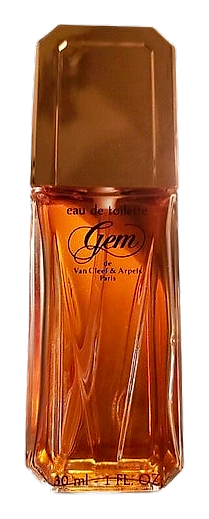
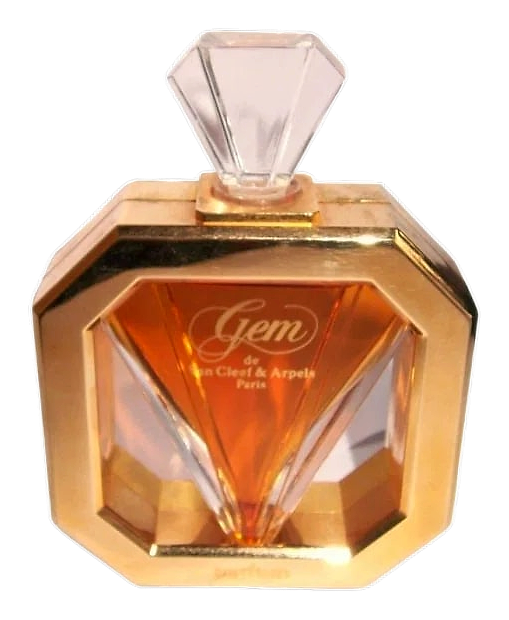
Van Cleef & Arpels named Gem in 1987 with intention. The maison treats fragrance as a serious compositional object, and the parfum concentration puts Roger Pellégrino's composition into its most concentrated, least forgiving form. This isn't the softer eau de toilette version. This is Gem at full density. Pellégrino built it around a chypre framework, with a structural backbone of oakmoss and patchouli dressed in plum, peach, and a riot of warm florals. The parfum reads less like a contemporary release and more like a found artifact, something pulled from a perfumer's cabinet where density and intent were the point. Every note earns its place; nothing is there for decoration.
What makes Gem unusual for 1987 is how directly it commits to the chypre framework without softening it for a mainstream audience. The top notes include coriander and cypress against plum and peach, setting up a deliberate tension between green and jammy registers that most compositions of the period tried to resolve one way or the other. Gem insists on holding both. The heart layers jasmine, tuberose, carnation, orris, rose, ylang-ylang, and iris into something dense enough to read as a single floral mass rather than individual blooms.
The evolution
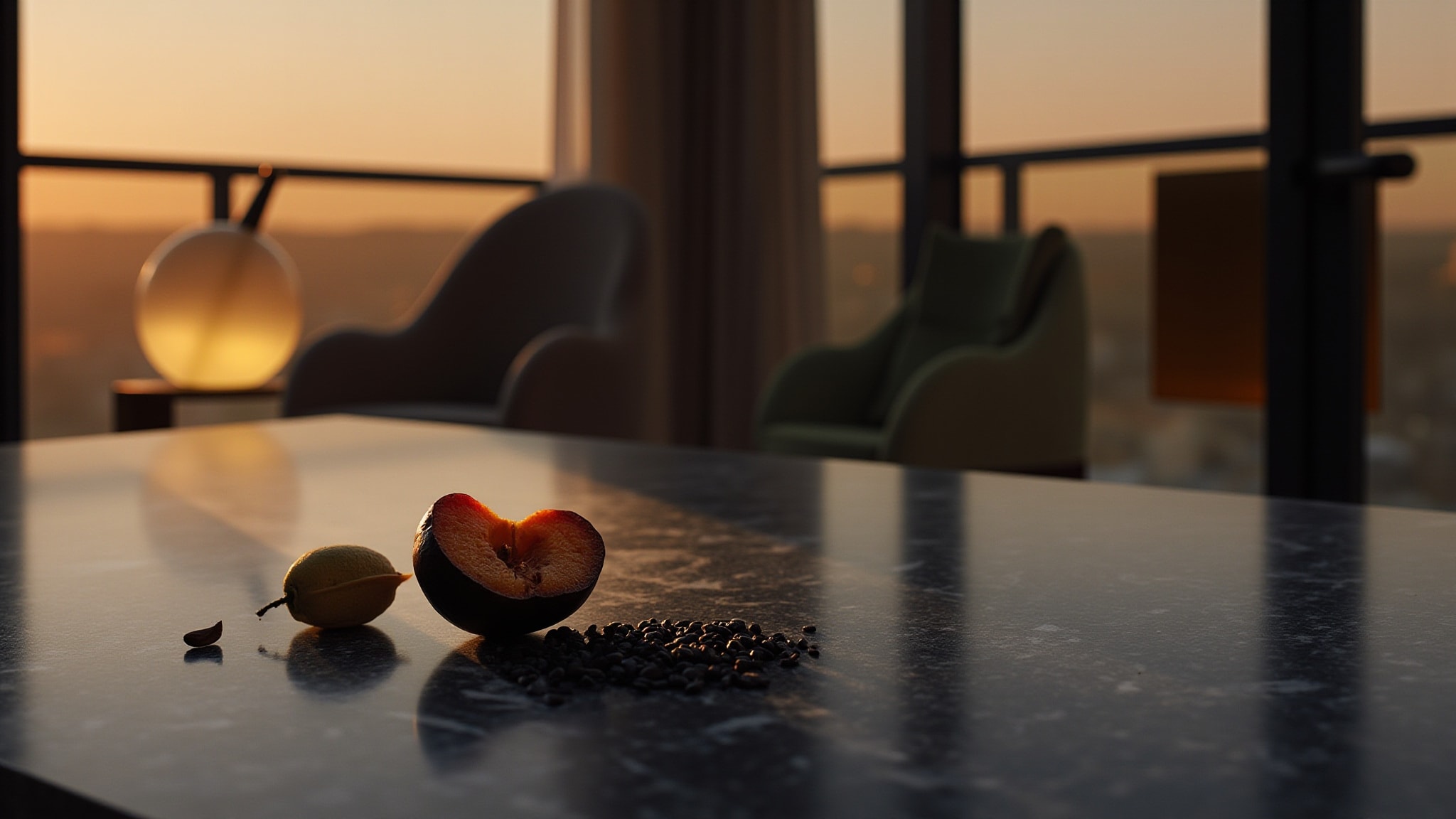
The first 30 minutes feel almost like two fragrances happening at once. Plum and peach arrive first, sweet and ripe, and for a moment you might think this is the fruity floral the name implies. Then coriander and cardamom muscle in with a dry, peppery heat that cuts the sweetness sideways. Rosewood underneath adds a creamy woodiness that keeps the opening from feeling like a fruit basket. By the 45-minute mark, the florals have taken over entirely. Jasmine and tuberose give it that indolic richness, the smell of white flowers left in a warm room. Clove adds a faint medicinal warmth without going medicinal. This is the loudest phase, the one that fills a coat and announces itself from arm's length. The transition into drydown happens around the three-hour mark, and it's where Gem shows its real architecture.
Cultural impact
Gem belongs to a category that has become increasingly rare: the chypre built around oakmoss, civet, and patchouli at full strength. It's a reference point for collectors and fragrance enthusiasts who value density, animalic warmth, and the structural backbone that defines traditional chypre composition. Wearers describe it as a scent for people who don't need permission, a composition that announces itself without apology and holds its character through hours of wear. The fragrance rewards attention; its multiple layers reveal themselves gradually, and its drydown carries a depth that lighter compositions cannot replicate.