The Story
Why it exists.
The beginning
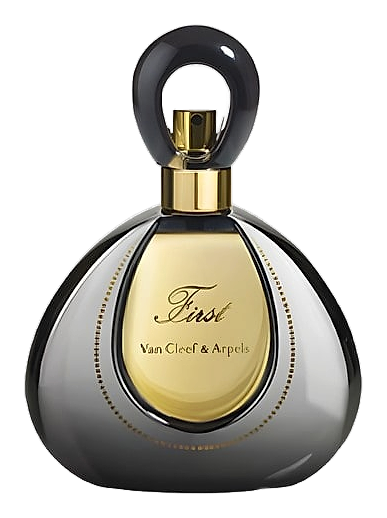
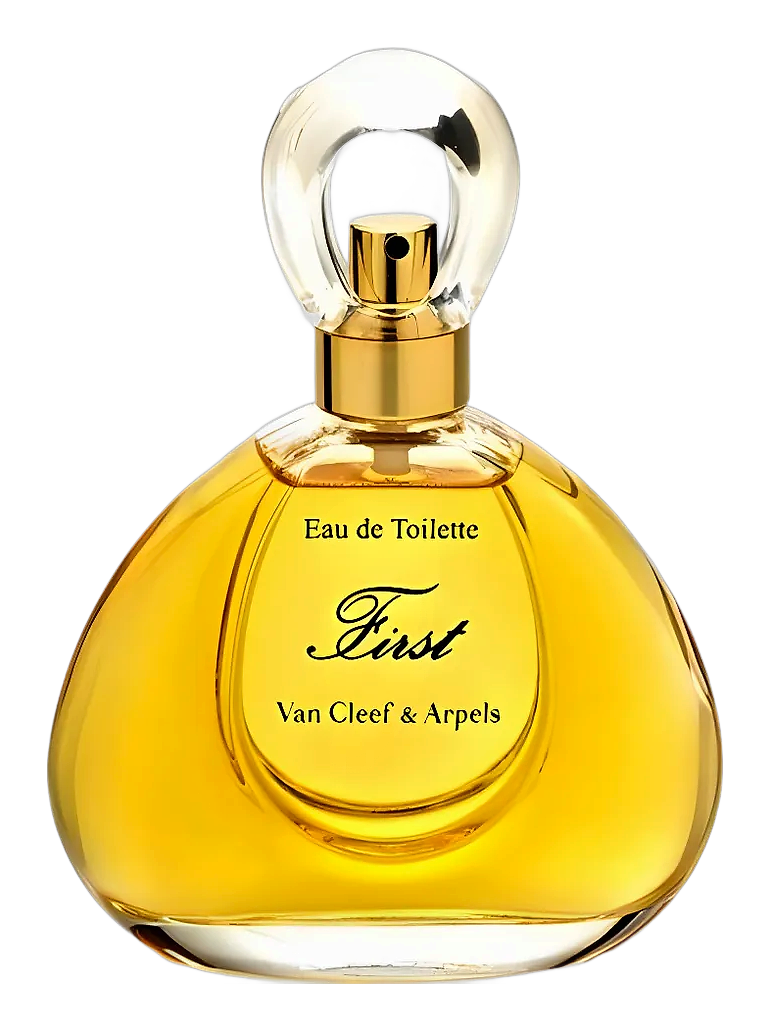
Van Cleef & Arpels, the Place Vendome house founded in 1906, spent decades translating precious stones into wearable art before turning its attention to scent. The decision to enter perfumery in 1976, with a fragrance simply named First, was not an afterthought but a statement. The house selected Jean-Claude Ellena to create its debut, trusting the perfumer to translate the jeweler's sensibility into olfactory form. First became the foundation upon which subsequent Van Cleef & Arpels fragrances would build, establishing the house's approach to refined, precious-smelling compositions.
The note selection reflects Ellena's understanding of precious materials and their relationships. Aldehydes provide sparkle, like light refracting through a diamond. The fruity notes, peach and blackcurrant, offer sweetness without frivolity. The floral heart draws from traditional haute parfumerie, with tuberose and jasmine representing the most opulent white florals. The drydown, anchored by civet and oakmoss, grounds the composition in the chypre tradition while honey, amber, and vanilla add warmth that makes the fragrance feel worn close to the skin, intimate and luxurious.
The evolution
The fragrance opens with aldehydic brilliance, that most glamorous of 1970s olfactory signatures. Bright bergamot and mandarin orange lift the composition, while peach and blackcurrant introduce a fruity sweetness. Raspberry adds a fleeting tangy accent. As the aldehydic sparkle settles, the heart emerges as a powdery, opulent floral garden. Narcissus and hyacinth lead with green, slightly earthy character. Jasmine and tuberose contribute creamy white-floral depth, while lily of the valley adds delicacy. Carnation, rose, ylang-ylang, orris root, and orchid weave together. The drydown reveals the chypre backbone, with civet lending animalic warmth, oakmoss providing mossy depth, and honey and amber sweetening the base. Sandalwood, vetiver, tonka bean, vanilla, and musk create a warm, enveloping finish that lingers for hours.
Cultural impact
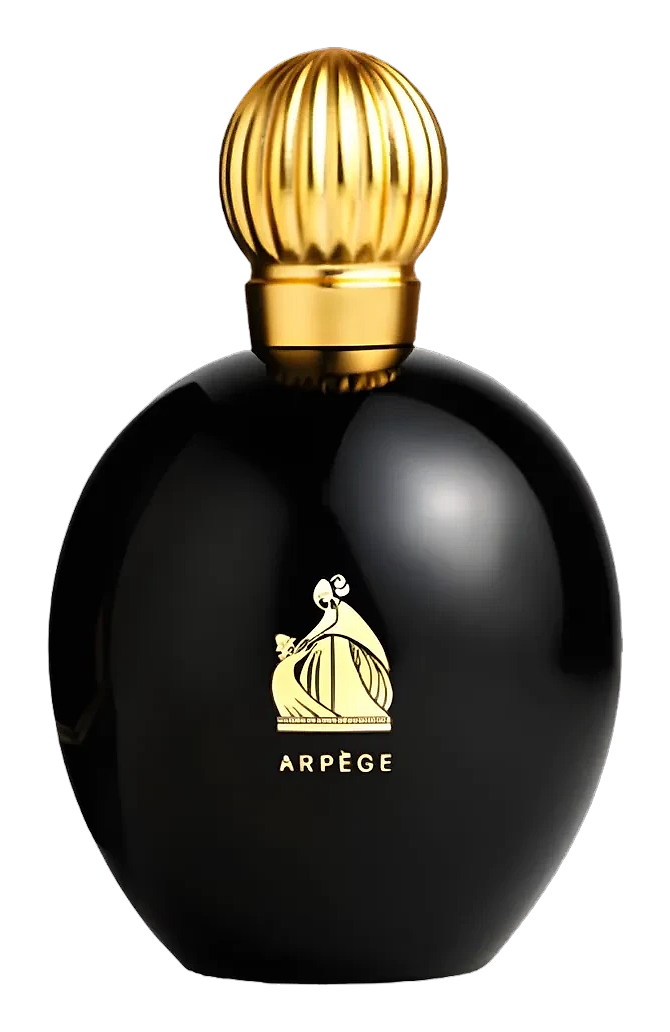
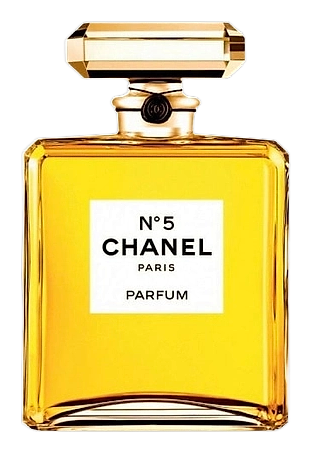
First holds a specific place in the lineage of aldehydic florals, a category defined by Chanel No. 5 and elevated by compositions like Arpège and Liu. What separates First from those monuments is its restraint. Ellena built the aldehydes as a frame, not a feature, letting the floral heart carry more weight than was typical for the era. Wearers describe it as the fragrance of someone who walks into a room and doesn't need to announce themselves, a quiet confidence that reads as timeless rather than dated.