The Story
Why it exists.
The beginning
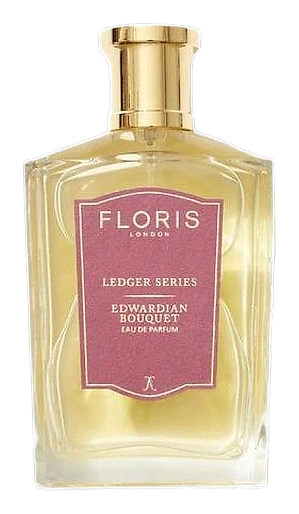
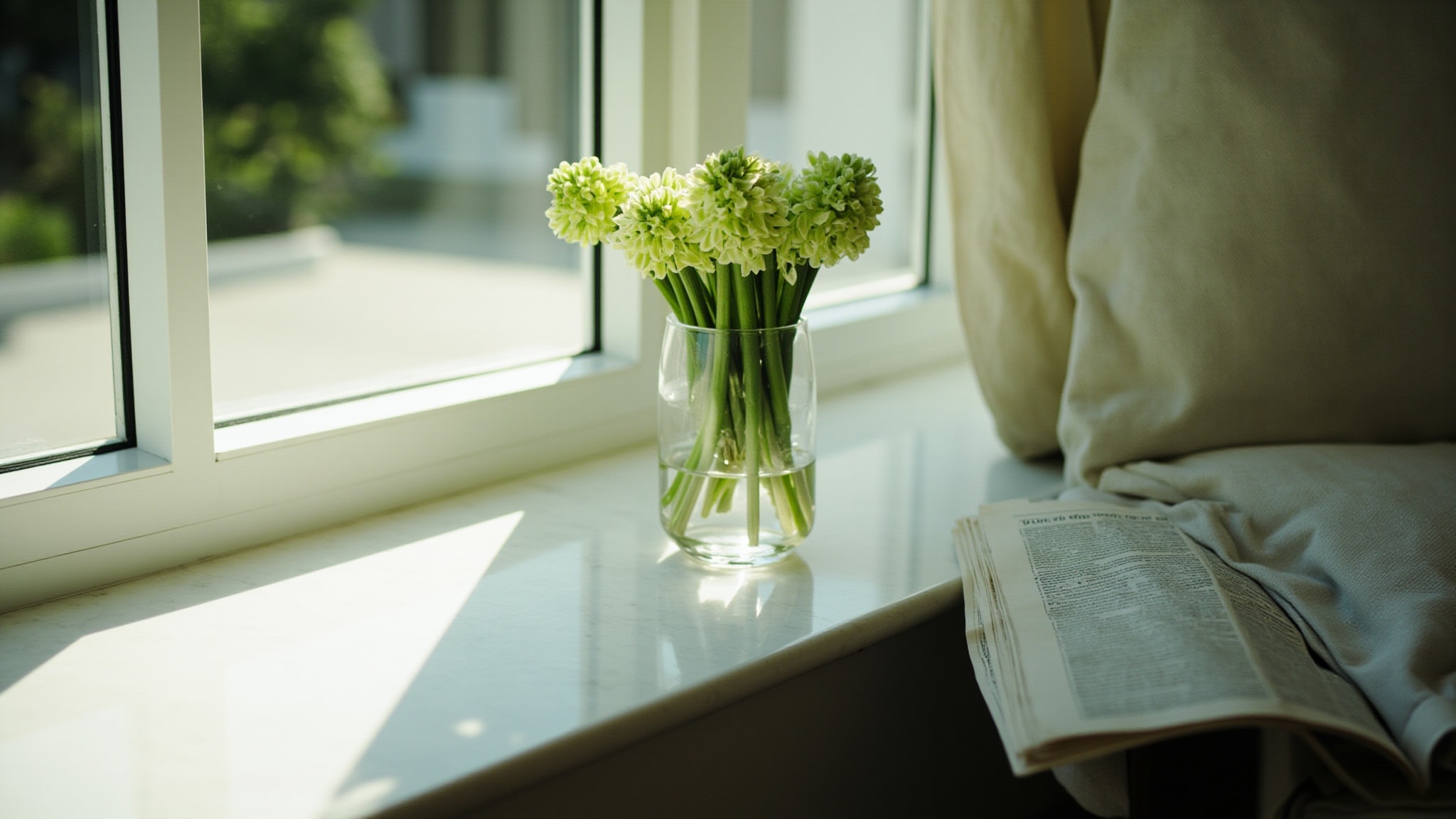
Edwardian Bouquet was born in 1901, when the name on the bottle said more than the scent inside. The Edwardian period, that brief decade between Victoria's death and the Great War, was a strange interlude of contradictory energies. The old rules still held, but women were riding bicycles, attending university, demanding the vote. Quiet rebellions, dressed in lace. Floris built this fragrance to that moment: a green floral that smelled proper at the garden party and quietly subversive in the conservatory. The green accord wasn't a trend. It was a statement. Hyacinth gave it that cool, almost aquatic lift, different from the heavy florals dominating the era, while jasmine, rose, and ylang-ylang layered in warmth and sensuality. The name promised tradition. The composition delivered something else entirely.
What makes Edwardian Bouquet remarkable is the green accord threading through every phase. In the opening, hyacinth delivers that cool, slightly watery green quality, not the sharp cut of galbanum, but something softer, almost floral in its own right. The heart layers jasmine's indolic sweetness against rose's traditional elegance and ylang-ylang's tropical warmth, creating a bouquet that feels both structured and sensual. The base is where the chypre heritage asserts itself: patchouli's earthiness, sandalwood's cream, oakmoss's characteristic mossy depth, and amber's warmth. This is a classical structure, citrus opening, floral heart, mossy-woody base, but the green note keeps it from feeling dated.
The evolution
The opening hits bright: bergamot and mandarin dancing over a cool green accord. That hyacinth clarity arrives fast, within the first minutes, giving the citrus something to play against. The citrus fades within the first hour as the floral heart takes over, but the green never fully disappears. Jasmine and rose arrive together, with ylang-ylang adding a slightly sweet, tropical undertone that keeps the heart from feeling too austere. This is the wearing phase, the part that defines the experience for the next several hours. By hour three or four, the base notes emerge. Patchouli leads, followed by sandalwood, oakmoss, and amber. The florals fade but don't vanish, they linger underneath, threading through the earthy-warm base. The drydown is classic chypre: mossy, warm, slightly powdery, intimate. On most skin types, the full arc runs six to eight hours. The sillage is moderate throughout, present but not intrusive, the kind of scent someone notices only when they're close enough to mean it.
Cultural impact
Edwardian Bouquet occupies a particular space in the Floris lineup: a green floral with an old-world sensibility that doesn't shout for attention. The composition carries a chypre structure that gives it backbone, while the vintage character shows in the way the florals layer without becoming saccharine. It's not a fragrance that announces itself, and it wears quietly throughout the day, settling into a refined dry down that rewards close contact. The scent has a quiet authority to it, the kind that suggests someone comfortable in their own skin without needing validation.