
The Story
Why it exists.
The beginning
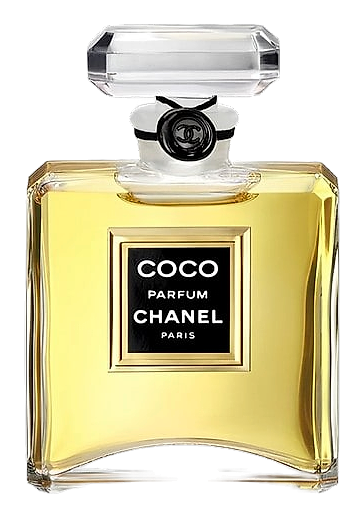
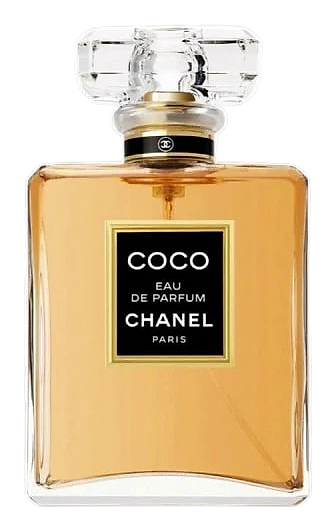
Coco arrived in 1984, named for the woman who gave Chanel its independence. Not for the house's gaze. Not for anyone else's. Jacques Polge built it as a statement, a fragrance that understood power as something you keep, not something you perform. The name was the brief. The rest was execution.
What makes this work is the tension. Bulgarian rose opens but doesn't stay, it's here, then it's not, replaced by mimosa and orange blossom that create a different kind of floral. The cloves in the heart are the real tell. They're unexpected in a Chanel, and that unexpectedness is the point. Spicy, warm, oriental, not the house's usual register. That's not an accident. It's a choice.
The evolution
The opening hits sharp, Bulgarian rose and Mandarin orange arrive together, bright and citrusy, but the coriander underneath adds an edge that shifts the expectation immediately. This isn't a sweet floral. Thirty minutes in, the rose returns, heavier now, woven through with cloves and orange blossom. The sweetness has a bite. By the second hour, the oriental base takes over. Amber, vanilla, sandalwood, warm without being heavy, powdery without being dusty. The civet is there if you look for it. Most won't. The drydown holds for hours, close to the skin, intimate in a way the opening never promised.
Cultural impact
Coco found its audience in the 1980s, a decade that rewarded confidence and didn't apologize for it. It's been in production ever since, one of the few Chanel fragrances that hasn't been reformulated into something safer. Wearers describe it as the scent of someone who walks into a room and doesn't need to announce themselves. That hasn't changed.