
The Story
Why it exists.
The beginning
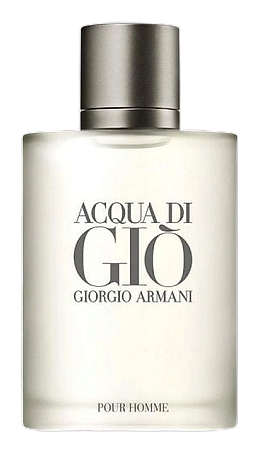
Roger Pellégrino designed Armani Eau Pour Homme in 1984. Pellégrino built the composition around a citrus-aromatic architecture, sharp, Mediterranean, and deliberate. No single note was meant to overwhelm the structure, no flourish without purpose. The perfumer selected ingredients for their clarity and intentionality, building a fragrance that relied on precision rather than abundance. This was a masculine scent that valued composure over spectacle, its composition built on clear lines and deliberate construction. The architecture spoke of confidence without aggression, of strength expressed through restraint.
The top note construction is unusually intentional for 1984. Bergamot, mandarin, and green orange arrive as a bright citrus presence, the pyramid layered rather than flat. Basil provides a green herbal counterpoint to the citrus brightness, creating a more complex aromatic opening than many masculine compositions of that era offered. At the heart, lavender and jasmine provide an aromatic-floral bridge, but the nutmeg, cinnamon, and carnation prevent the middle from reading soft.
The evolution
The opening presents lemon, bergamot, and mandarin in their most direct form. The citrus reads bright and slightly tart, with green orange adding a peel bitterness that keeps the top notes grounded. Basil gives the citruses a herbal counterpoint, preventing them from reading sweet. The heart opens with lavender asserting itself, clean and aromatic, while jasmine softens the edges. Carnation, nutmeg, and cinnamon arrive as a spice trio, with the carnation being the tell, slightly waxy and clove-adjacent in character. As the florals recede, cedar and sandalwood arrive together, warm and woody, while vetiver and oakmoss add earthiness. Patchouli provides dusty depth, and the base notes create an intimate drydown that lingers close to the skin.
Cultural impact
Armani Eau Pour Homme established a particular approach to masculine fragrance, one that emphasized restraint and intentional construction over spectacle. The citrus-aromatic structure with its spiced heart and earthy base represented a specific idea of masculine refinement. The carnation-lavender heart gives this fragrance a character that commits to its structure without apology. Those who encounter this scent often find it strikes a balance between bold and understated, offering a sophisticated option for those who appreciate complexity in their fragrance choices.