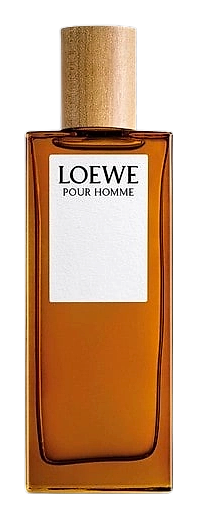

The Story
Why it exists.
The beginning
Marcel Carles created Loewe Pour Homme in 1974 as a statement against fragrance fashion. At a time when masculine perfumery was shifting toward power and projection, this was something different, a composition built on restraint, on the idea that a fragrance could be confident without being loud. The brief was simple: something that would smell like the person wearing it had already arrived, not someone trying to prove it. Carles worked with the house's Spanish sensibility and its Germanic rigor, a duality that runs through everything Loewe does. The result was an aromatic fougere that didn't chase the era's trends. It simply outlasted them.
The fougere structure, lavender, oakmoss, and the earthy depth of vetiver, is classic for a reason. But Carles gave it a Mediterranean character that separates it from its French counterparts. The basil and tangerine open bright and herbal, not sweet. The heart of geranium and lily of the valley adds a softness that keeps the whole thing from feeling austere. It's the kind of composition that rewards attention, the more you wear it, the more you notice the layering. Not because it's complicated, but because every element is in service of something larger: the idea that restraint is its own kind of power.
The evolution
The opening hits bright and clean, lemon, tangerine, a wave of lavender softened by basil's herbal edge. This is the fragrance announcing itself. Within 15 minutes, the citrus settles and geranium takes over, with lily of the valley adding a quiet powdery quality. The transition is seamless, there's no gap, no moment where one phase dominates. By the second hour, the oakmoss and Haitian vetiver arrive, grounding everything in that classic fougere foundation. Sandalwood and amber add warmth without sweetness. The drydown is where this fragrance earns its reputation, it lasts. Eight to ten hours on most skin types, with a sillage that stays close rather than announcing itself. The next morning, there's a trace of oakmoss on the skin that smells like the last hour of a conversation worth having.
Cultural impact
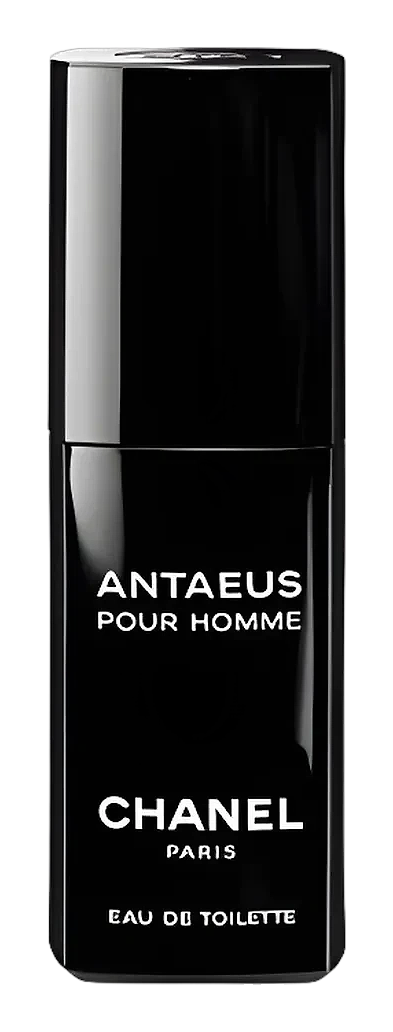
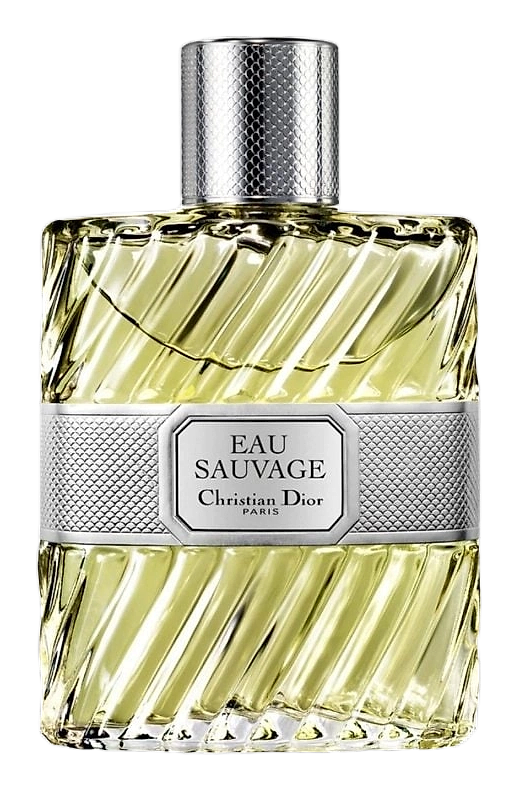
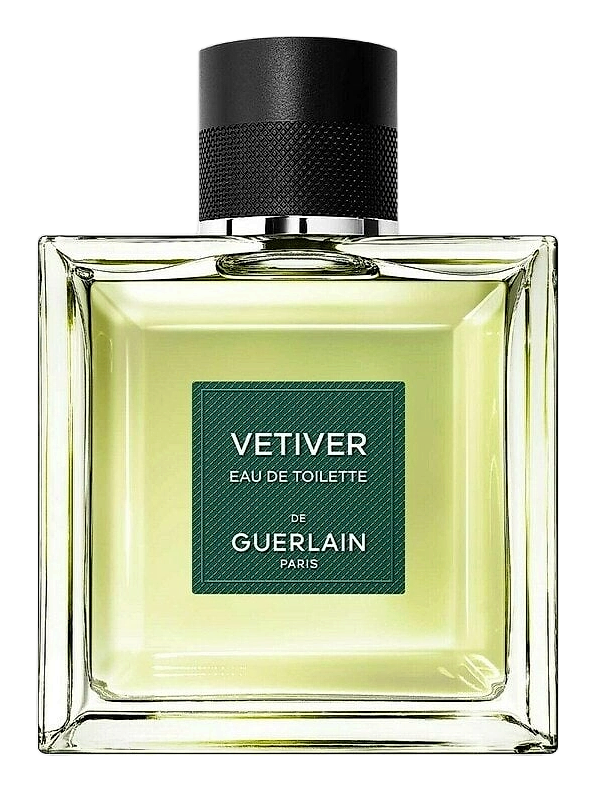
Released in 1974, Loewe Pour Homme arrived before the wave of aquatic and fresh fragrances that would define masculine perfumery in the 1980s and 1990s. It positioned itself not as a reaction to trends but as an alternative to them, something that would outlast whatever was fashionable. Wearers describe it as the scent of someone who walks into a room and doesn't need to announce themselves. It's frequently mentioned alongside classic aromatic fougeres like Chanel Pour Monsieur, Dior Eau Sauvage, and Guerlain Vetiver, fragrances that earned their reputation by refusing to chase it.