Spanish galbanum
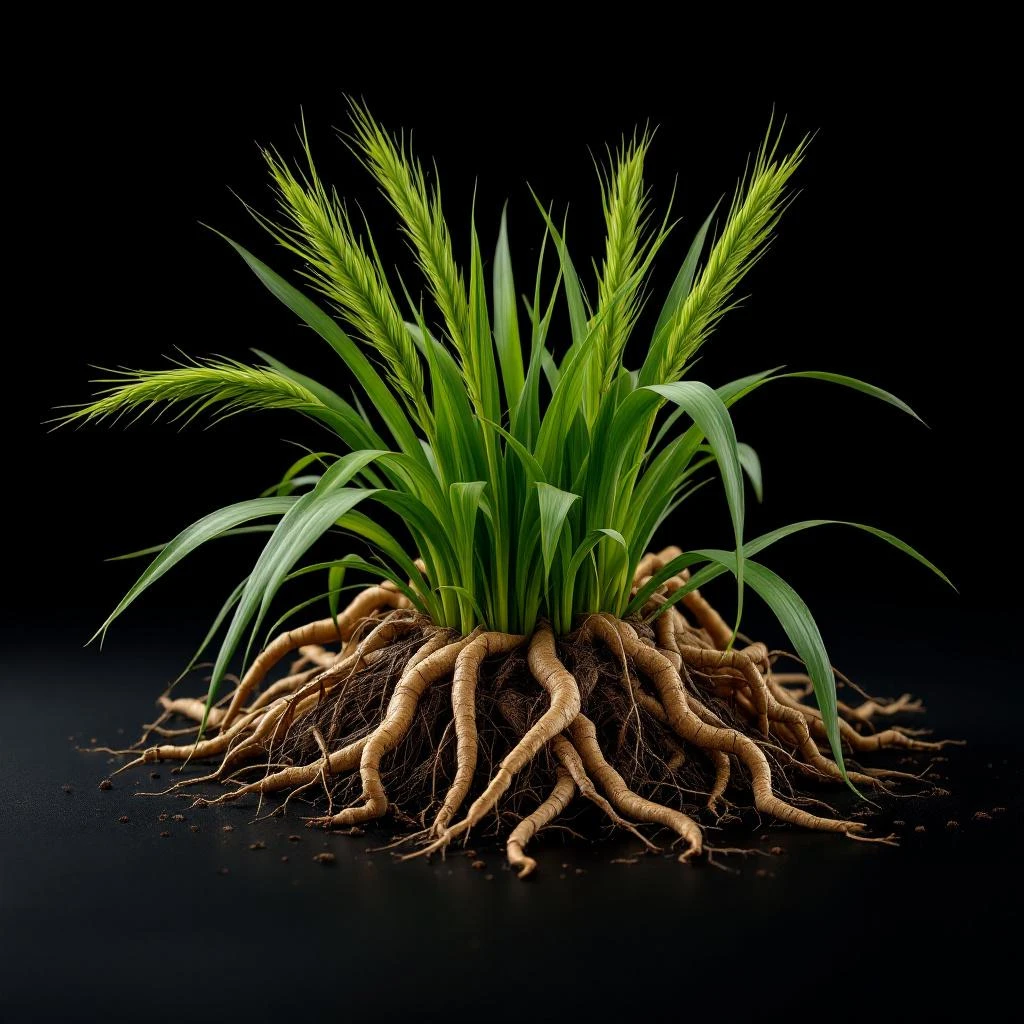
Galbanum resin releases a piercing, intensely green aroma with bitter, almost photographic undertones. One of perfumery's rarest natural ingredients, this ancient material bridges sacred ritual and modern fragrance creation.
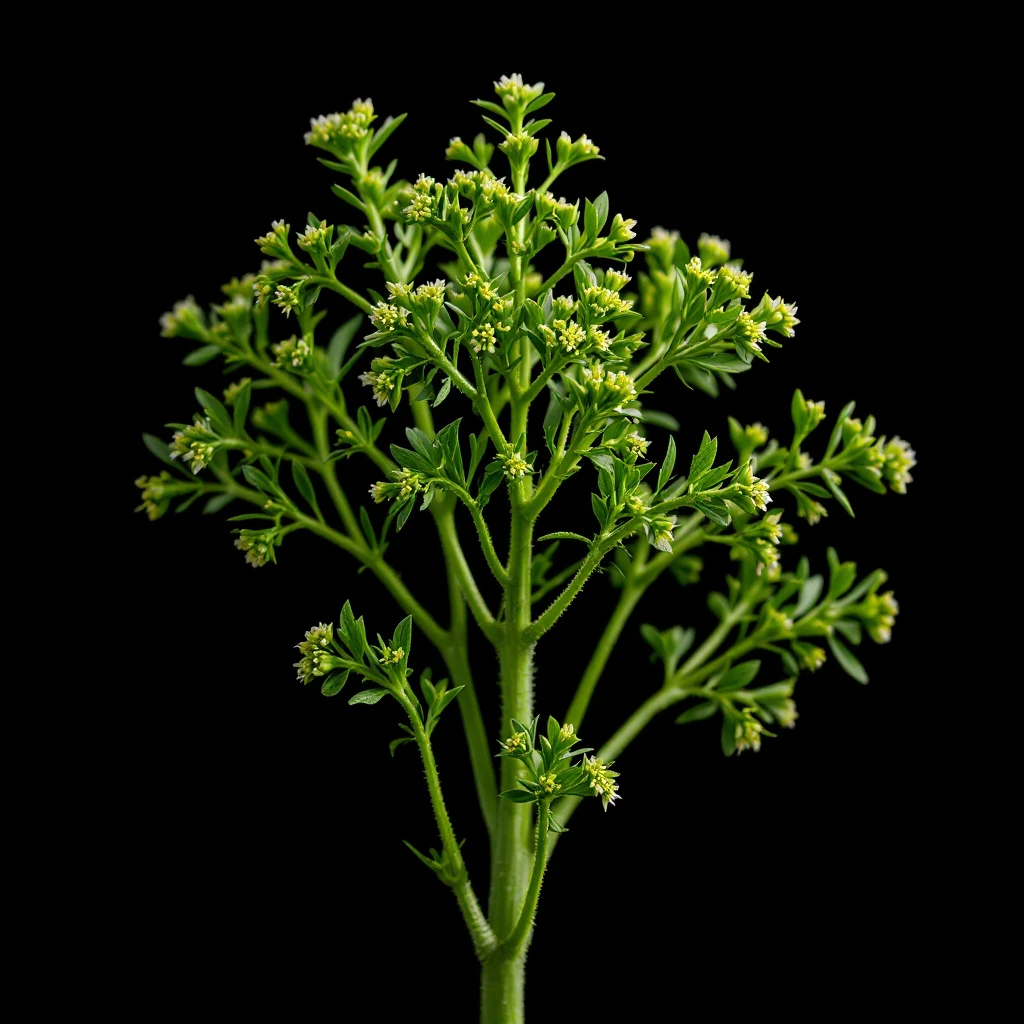
Character
How it smells
The ancient green resin that shaped perfumery.
In 1979, when Iranian oil supplies were disrupted during the revolution, Western perfumers struggled to reformulate green fragrances, exposing galbanum's irreplaceable role in the industry.



Origin
Spain
Galbanum resin has accompanied human civilization for millennia, with roots in ancient Persia, Egypt, and Greece. The Old Testament names galbanum as a sacred incense ingredient, blended with frankincense and onycha for religious ceremonies. Ancient Greek physicians documented its use in medicinal preparations, while Egyptian embalmers incorporated it into their preservation rituals.
Persian trade routes distributed galbanum across the Mediterranean world, establishing it as a commodity as valuable as myrrh. During the 1979 Iranian Revolution, disruption to galbanum supply forced Western perfumers into crisis mode, as the ingredient underpinned classic green fragrances worldwide. This scarcity accelerated research into synthetic green accord substitutes, reshaping perfumery chemistry.
Today, while Iran remains the historical heartland, related Ferula species growing throughout the Mediterranean basin, including Spain, produce comparable aromatic gum, ensuring continued availability of this storied material.
Wears it best
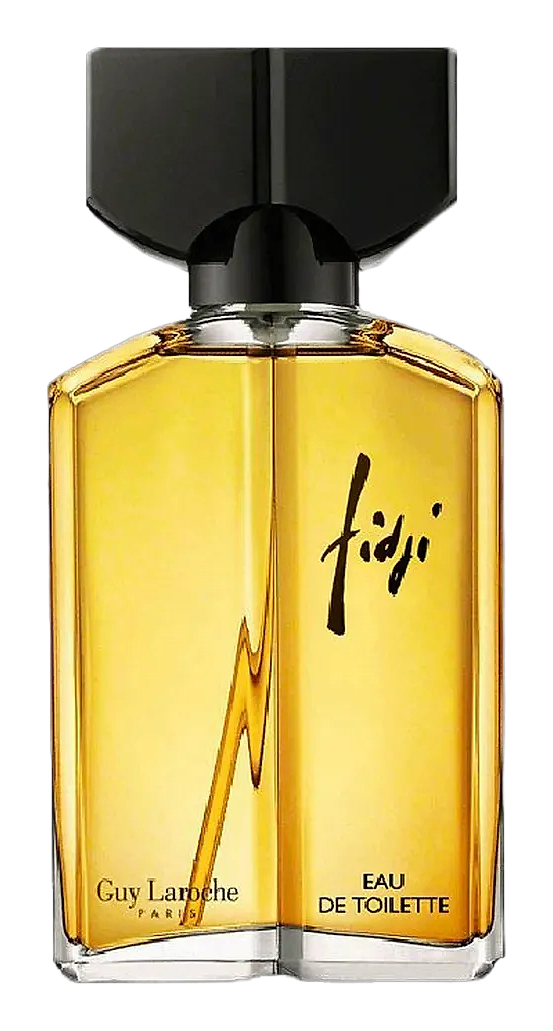
Fragrances featuring Spanish galbanum
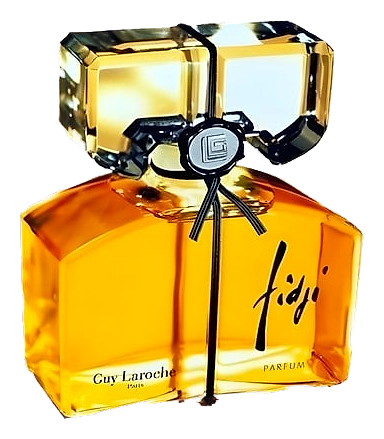
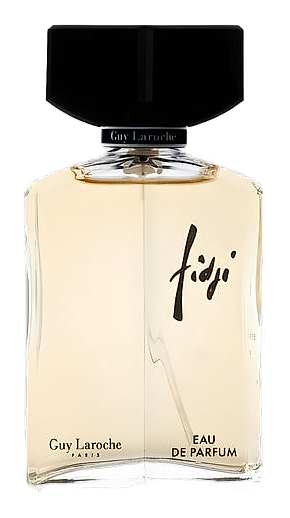
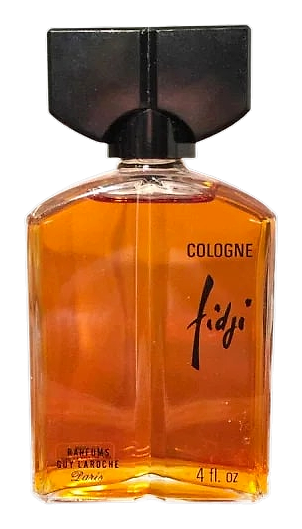
Brands
Brands known for Spanish galbanum
Good to know
Questions, answered
The essentials on Spanish galbanum in perfumery: how it smells, where it comes from, and how it behaves on skin.
What is Spanish galbanum?
Spanish galbanum is an aromatic gum-resin harvested from Ferula plant species growing across the Mediterranean basin. It delivers an intensely green, slightly bitter, resinous aroma that ranks among the most powerful natural green notes available to perfumers. While Iran remains the historical heartland, Mediterranean cultivation, including Spanish sources, supplies the global fragrance industry.
Where does Spanish galbanum originate?
The Ferula plants producing galbanum grow wild throughout the Mediterranean, with documented cultivation and wildcrafting in Spain, Iran, and surrounding regions. The primary botanical source, Ferula gummosa, traces its roots to Iran and Central Asia. Spanish galbanum specifically refers to material harvested from Mediterranean populations of this genus.
What does galbanum smell like?
Galbanum presents an unmistakable intensely green scent with bitter, resinous undertones and a faint medicinal sharpness. Perfumers often describe its character as the smell of crushed leaves combined with a photographic chemistry undertone. In dilution, galbanum reveals more nuanced green, slightly sweet complexity that integrates beautifully with florals.
How do producers extract galbanum resin?
Harvesters collect galbanum by making careful incisions in Ferula plant stems, allowing the milky gum-resin to seep out and harden into drops. Producers then extract the aromatic compounds via steam distillation of the crude resin, yielding essential oil. Solvent extraction provides an alternative method producing a full-spectrum resinoid with broader aromatic compounds.
What role did galbanum play in ancient cultures?
Ancient texts document galbanum across multiple civilizations. The Old Testament lists it as an ingredient in sacred incense. Greek physicians used it medicinally, while Egyptian traditions incorporated it into embalming practices. Persian trade networks distributed galbanum throughout the Mediterranean, establishing it as a high-value aromatic commodity.
Why is galbanum significant in perfumery?
Galbanum provides an intensely green, natural effect that synthetic chemicals struggle to replicate convincingly. Perfumers prize it for creating freshness without relying entirely on synthetics. Its rarity and extraction difficulty make it a marker of quality in high-end fragrances seeking authentic natural green character.
Was galbanum used in historical trade?
Galbanum traveled ancient trade routes from Persia across the Mediterranean world. Its inclusion in sacred biblical incense alongside frankincense and myrrh elevated its value. Trade records from Greek and Roman periods document galbanum as a sought-after aromatic commodity, prized by temples and apothecaries alike.
Why is Spanish galbanum notable today?
Spanish galbanum represents the Mediterranean expression of this ancient ingredient. While Iranian galbanum carries historical prestige, Spanish cultivation and wildcrafting provide a reliable modern supply of comparable quality. Geographic variation in climate and soil creates subtle aromatic differences between regional sources, valued by perfumers seeking specific green characteristics.