The Story
Why it exists.
The beginning
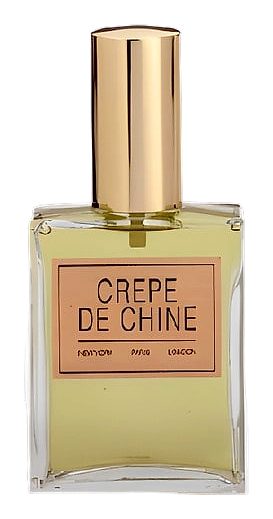
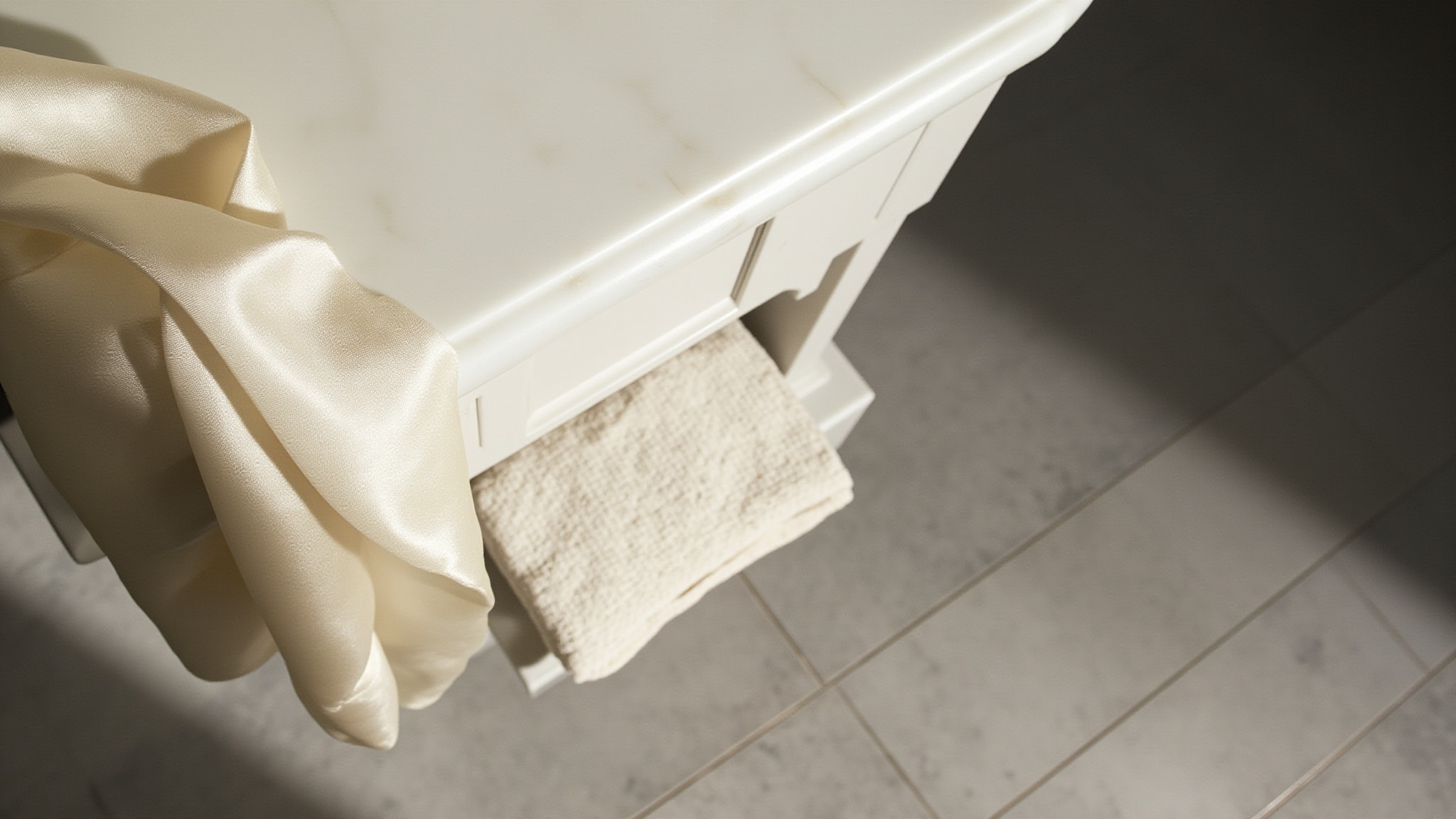
Crepe de Chine began in 1925 as a Millot fragrance, one of the house's quieter experiments in what would become the chypre form. The name references the silk: lightweight, lustrous, with a subtle texture that catches differently in motion than it does at rest. The perfumer understood the reference. This was not a loud fragrance. It was one that moved close to skin, that revealed itself in layers, that assumed the wearer had somewhere to be and something to do rather than simply an occasion to announce. The aldehydes arrived early in the century's experimentation with synthetic materials, and here they served a particular purpose: not shock, but shimmer. A brightness that made the florals read cooler, the woods read warmer, the whole composition feel suspended between surfaces rather than committed to any single one.
What makes Crepe de Chine structurally interesting is not any single note but the conversation between its cool and warm registers. The aldehydes perform their metallic shimmer at the top, true to 1920s fashion. The chamomile and basil introduce an herbal dimension that reads almost medicinal, cool in a different way than citrus, more green than bright. Gardenia and ylang-ylang occupy the heart as white florals that do not overwhelm, but hover. The paradox is in the base: Peru balsam and benzoin suggest sweetness and warmth, yet the overall impression stays restrained, close, more intimate than projection-heavy. This is not a fragrance that announces. It is one that lingers where you leave it.
The evolution
The aldehydes open bright and metallic, cold silver on skin, a quick flash that announces the 1920s without apology. Bergamot and neroli add bitter citrus lift beneath, while Peru balsam gives the top a warm, resinous undertone almost immediately. Basil appears briefly, herbal and green, cutting through the sparkle before it settles. This phase lasts perhaps fifteen minutes, a controlled burn rather than a firework. The heart arrives slowly. Chamomile and gardenia emerge as the aldehydes recede, replacing metallic brightness with cool, almost medicinal florals. Rose and lilac soften the edges, jasmine adds depth, and ylang-ylang introduces a creamy tropical warmth that prevents the whole composition from becoming too austere. The transition matters: the cool florals do not replace the aldehydes so much as absorb them, turning brightness into clarity. The drydown is where Crepe de Chine reveals its architecture. Jasmine and gardenia fade, leaving oakmoss as the true skeleton, the classic chypre foundation that makes the whole composition cohere.
Cultural impact
Crepe de Chine holds a devoted following among collectors and vintage enthusiasts who appreciate its aldehydic sparkle and the cool-to-warm shift that defines classic chypre construction. The fragrance is respected by aldehyde lovers and those who track the lineage of mid-century composition design. Wearers note its unusual combination of herbal chamomile and lush gardenia as distinctive within the form. As a Long Lost Perfume reissue, it appeals to those seeking something outside contemporary launches, a fragrance with documented history and a structural logic that predates modern perfumery's conventions.