The Story
Why it exists.
The beginning
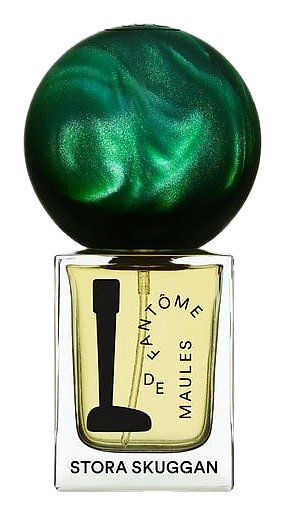
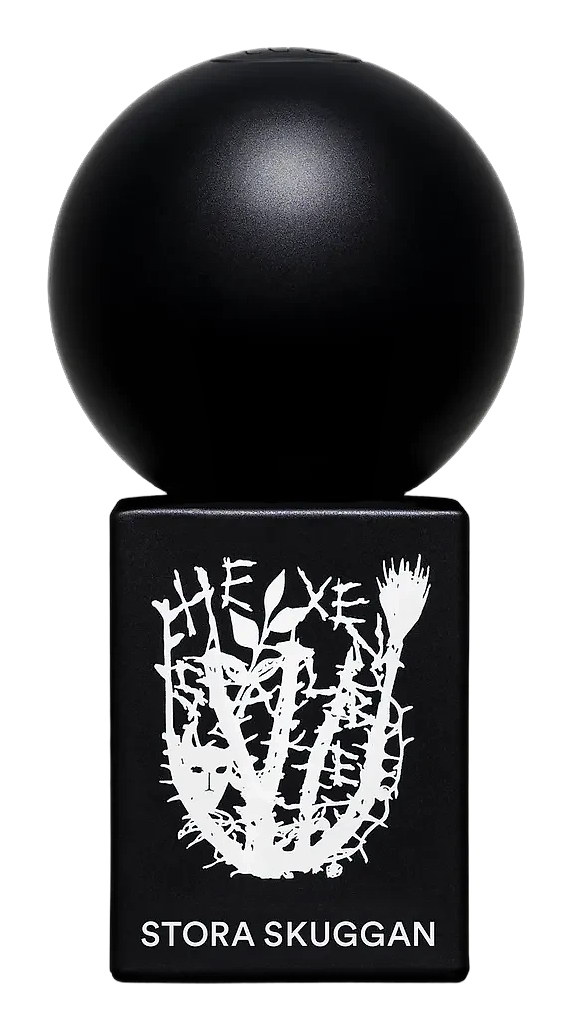
There's a 1324 court record about Dame Alice Kyteler, condemned for covering a staff in an ointment that let her "ambled and galloped through thick and thin." Highly poisonous. Applied, not ingested. Which meant she rode. That's what it was, the riding. Tomas Hempel at Stora Skuggan took that provocation as the brief. For 2023, translate a medieval flying ointment into something you could wear to dinner. The answer wasn't literal. It wasn't smoky or spooky or any of the usual niche house shortcuts. Instead, the fragrance opens on wormwood and licorice, a cold, anisic herbal burst, the kind of sharp that feels like walking into a pharmacy that's been operating since the 1400s. Salt arrives next, mineral and close, that smell of skin before perfume becomes something else. Then the turn begins, and belladonna blooms dark and heavy into the composition.
What makes Hexensalbe unusual even by niche standards is the constellation of poison plants at its center, belladonna and angelica and hemlock sit alongside wormwood, a collection of materials with names that sound more like a medieval pharmacist's nightmare inventory than a fragrance brief. The real tension isn't in the individual materials, though. It's in the pairing of that medicinal, almost cold herbal opening with a heart that smells like pollen and flesh and something that isn't safe. Tuberose gets used carefully here, not as a bright tropical accent but something grittier.
The evolution
The opening arrives fast and cold. Wormwood hits first, that sharp, anise-bright green that opens the sinuses, followed almost immediately by licorice, which in this context doesn't read sweet. It reads mineral, almost salty. There's also something in the early minutes that smells like cold air, like the scent of someone walking quickly through a winter garden. By minute twenty, the shift begins. Belladonna rises from the heart of the composition, bringing with it a floral darkness that has weight. tuberose moves alongside it, not bright and creamy the way it behaves in other fragrances but something denser, more animal. Rosemary makes occasional appearances throughout the heart, a thread of something clean and sharp cutting through the heavier florals. The drydown takes its time. Patchouli holds everything from beneath, growing more present as the hours pass, eventually becoming the dominant note after six or seven hours.
Cultural impact
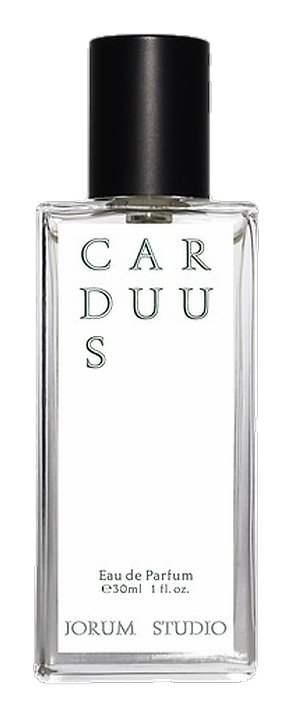
Hexensalbe occupies a specific position among niche fragrance releases, a composition built around botanical materials with genuine historical darkness and a concept that's explicitly provocative without being literal. The constellation of poison plants at its center, belladonna and angelica and hemlock, remains unusual, even among houses willing to work with difficult materials like Jorum Studio or Kilian. Stora Skuggan doesn't justify this choice or soften the concept for broader appeal. They made the provocation the point. Wearers who connect with this fragrance tend to describe it as the one they reach for when the situation is specific, after dark, somewhere the strangeness of the opening becomes an asset rather than a liability.