Belladonna
A botanical paradox: belladonna's deadly reputation and dark allure inspire perfumers to capture its mysterious nightshade character through synthetic molecular craftsmanship.

Character
How it smells
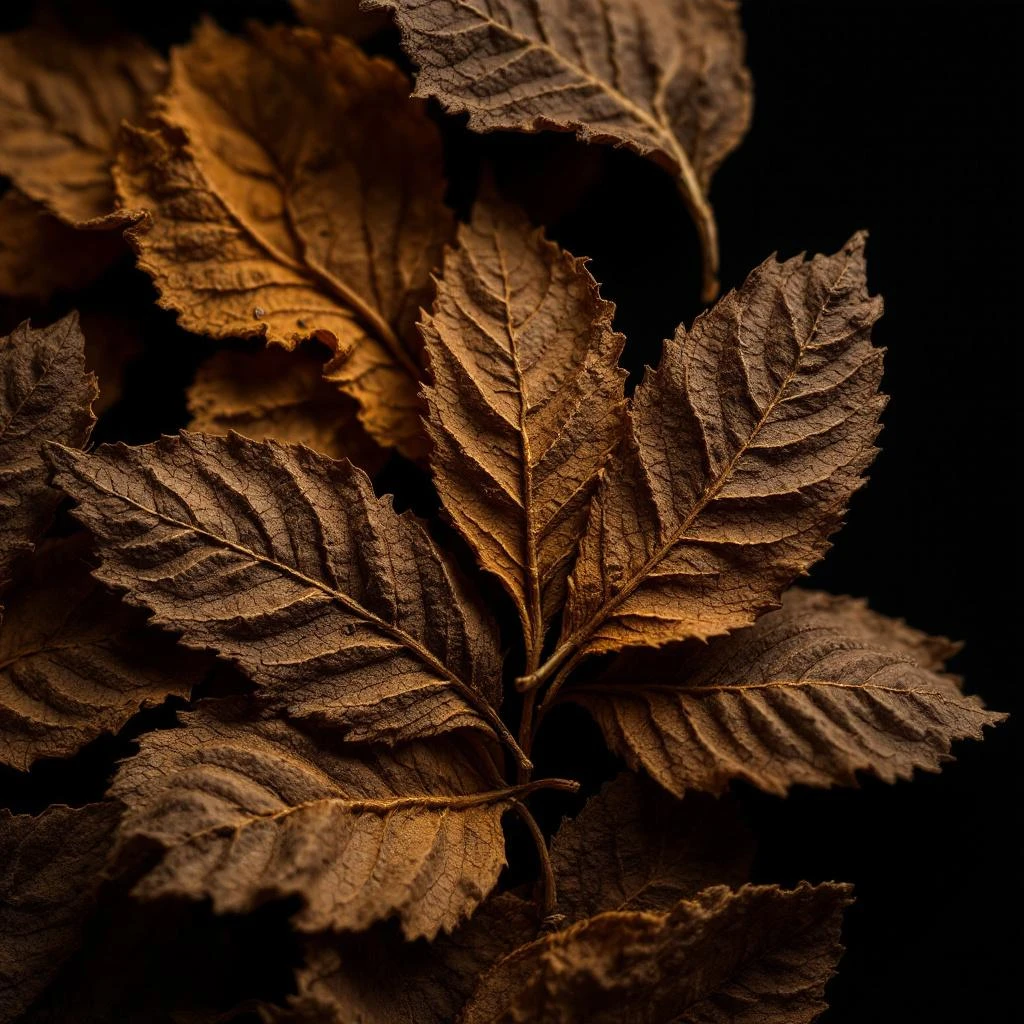
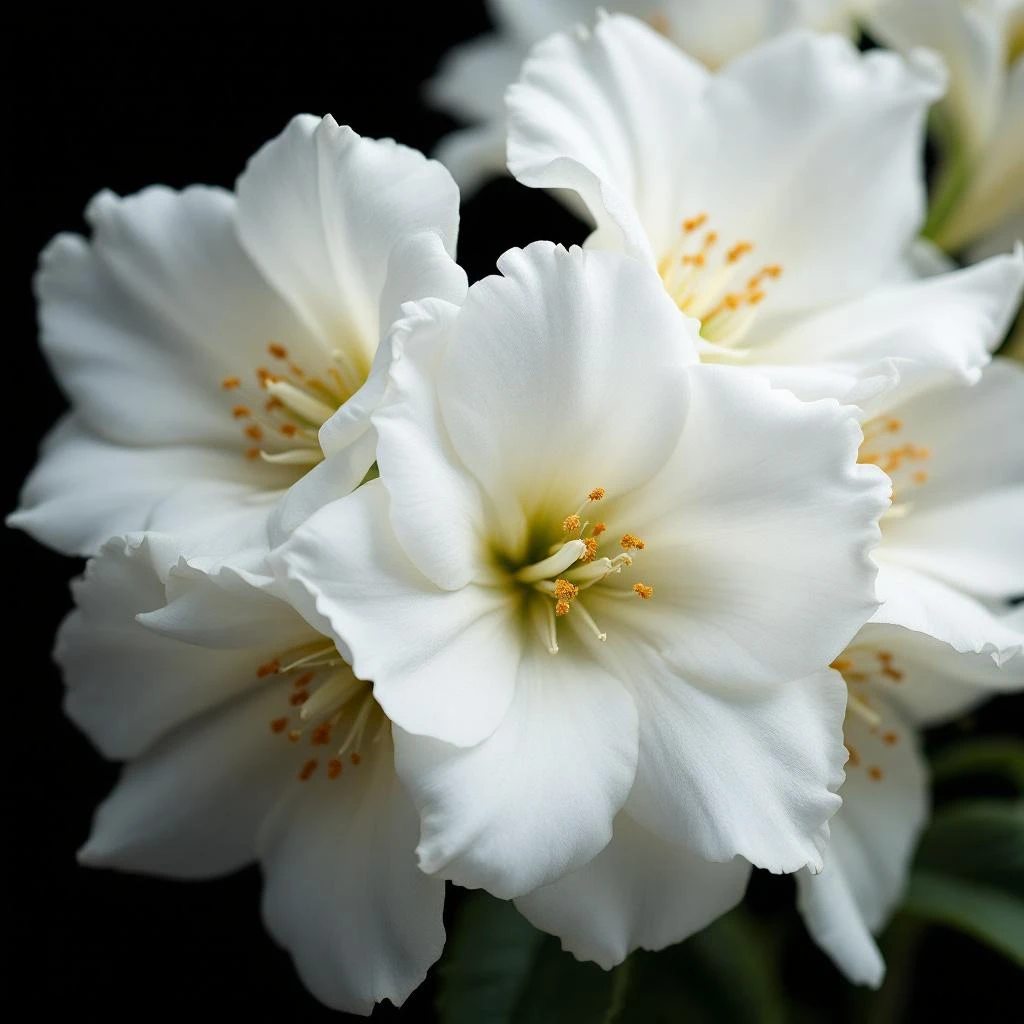
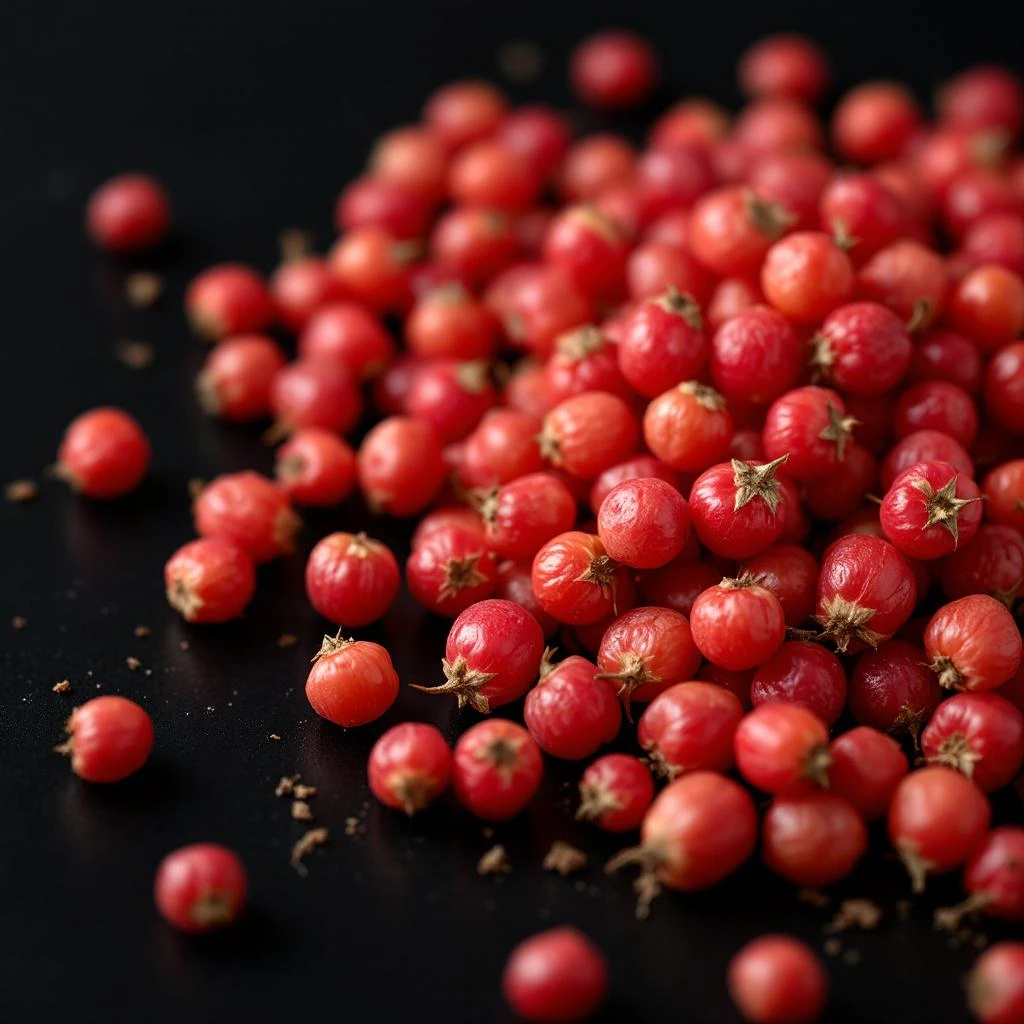
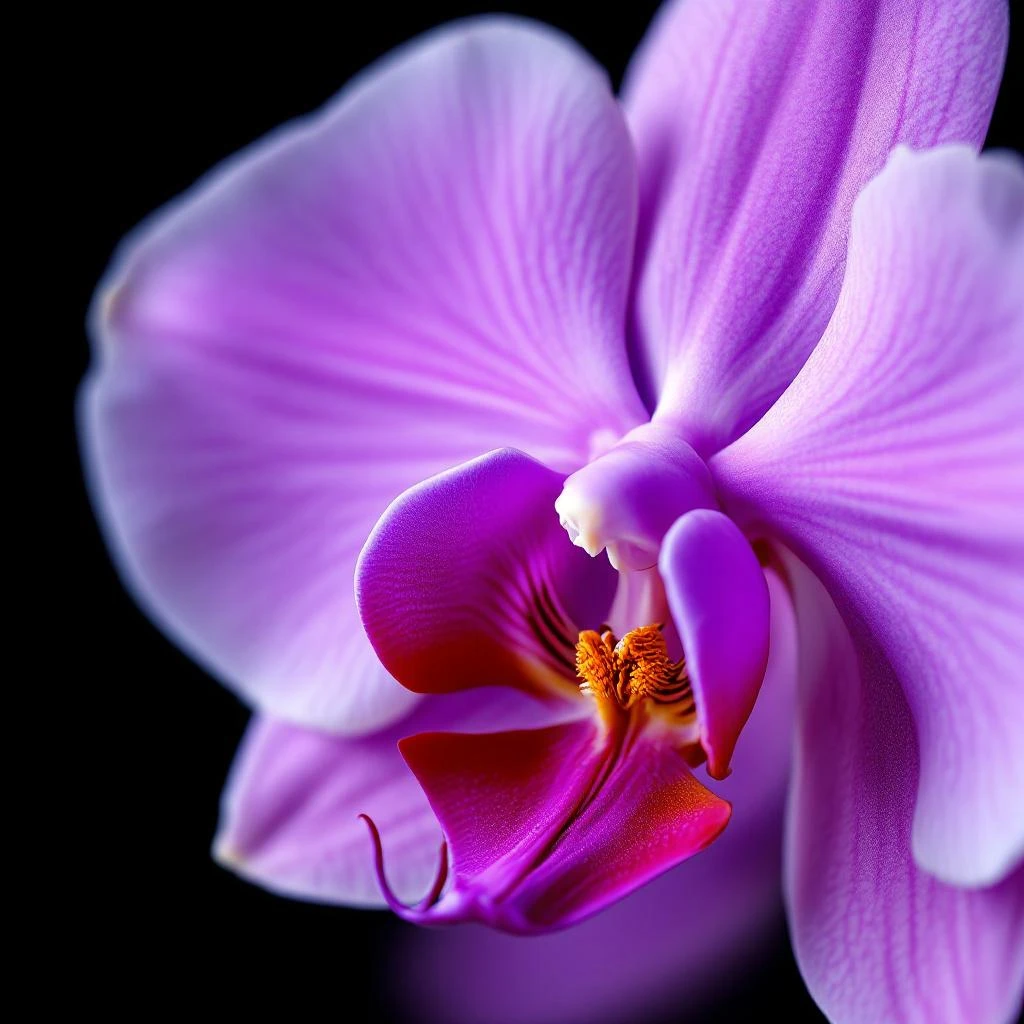
Toxic attraction. The beautiful poison.
The plant's name literally translates to beautiful woman—Renaissance Italian women used belladonna juice to dilate their pupils for allure.



Origin
Italy
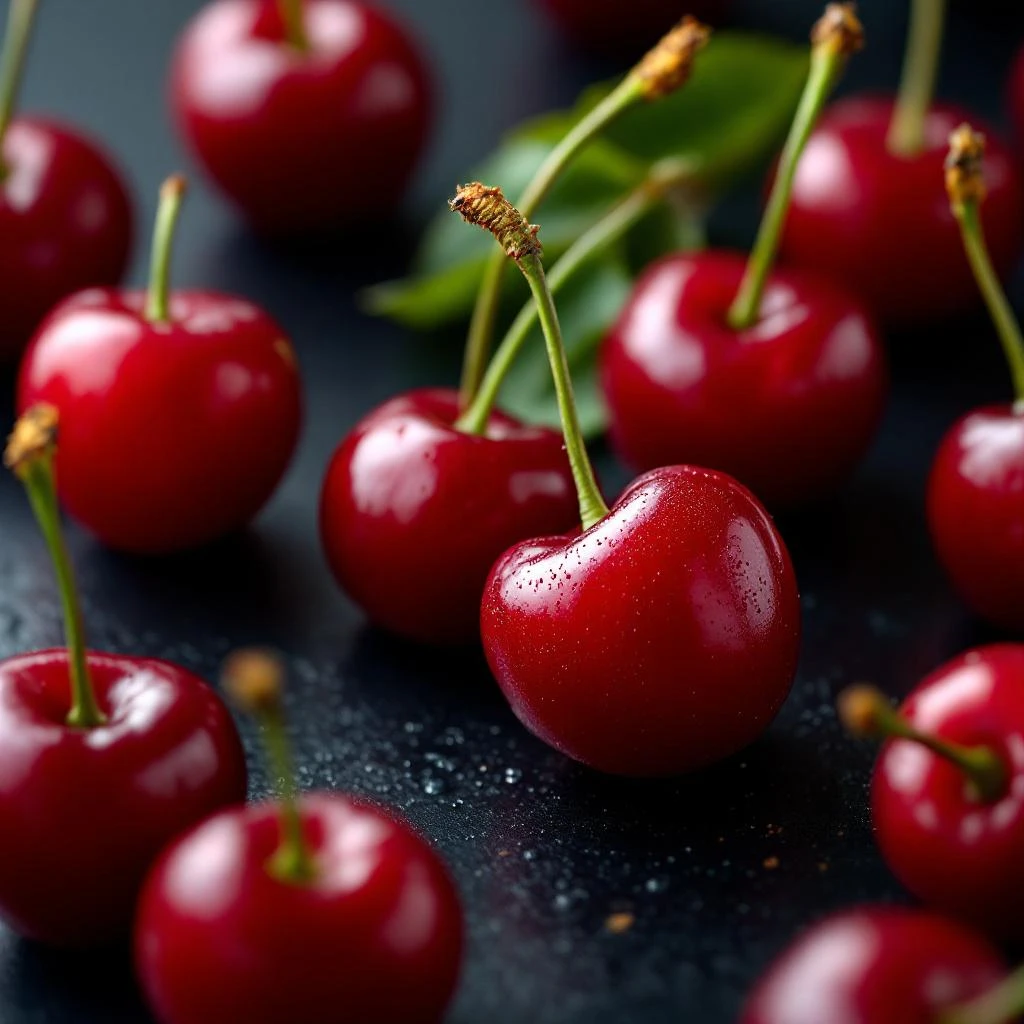
Belladonna carries one of perfumery's most haunting histories. The plant grows wild across Southern Europe's shaded woodland margins, from Italy's hillside gardens to the Balkans' forests. Italian Renaissance nobility popularized the plant for cosmetic purposes—women applied minute quantities of belladonna berry juice to their eyes to achieve temporary pupil dilation, creating a seductive, wide-eyed appearance. The name itself, Bella Donna, literally means beautiful woman.
This practice was genuinely dangerous; improper dosing caused poisoning, hallucinations, or worse. Throughout history, belladonna gained associations with sorcery, poisonings, and dark feminine mystique. Ancient herbalists knew the plant as a tool for witches' ointments. Medieval poisoners used it in assassinations.
These dark associations eventually inspired perfumers. Late 19th-century organic chemistry breakthroughs opened doors to recreating dangerous botanicals safely. Modern perfumery channels belladonna's dangerous mystique into conceptual fragrance creation rather than actual botanical use.
Wears it best
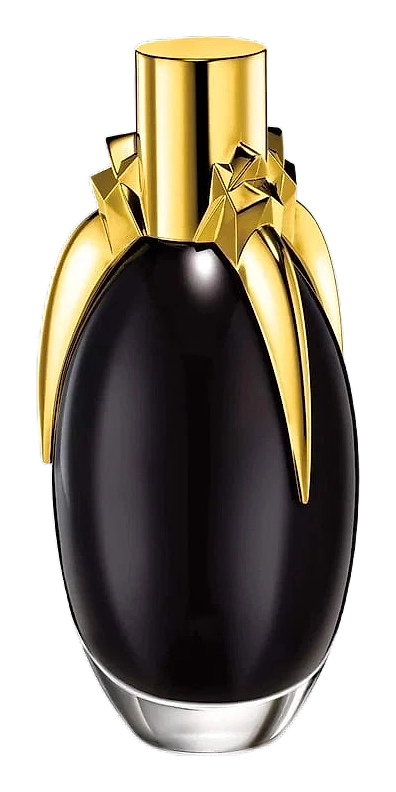
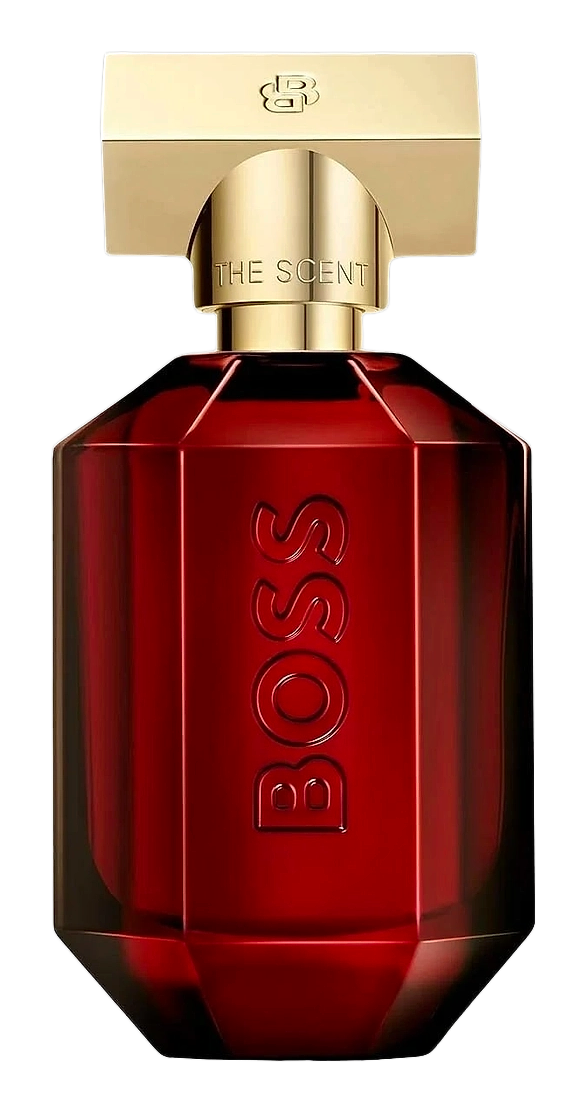
Fragrances featuring Belladonna

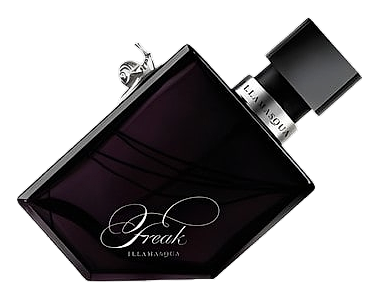
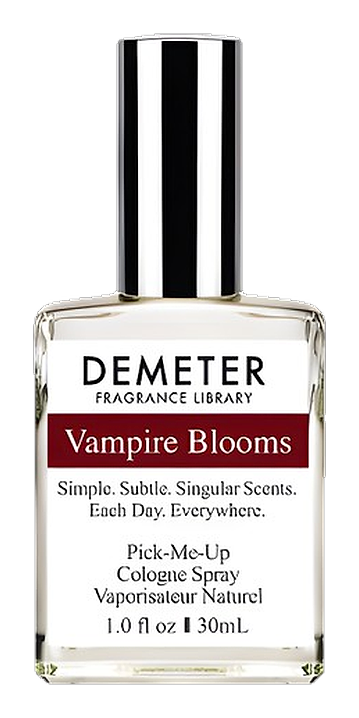
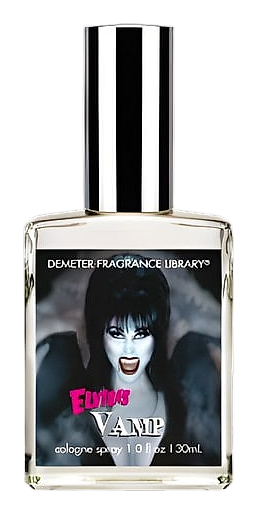
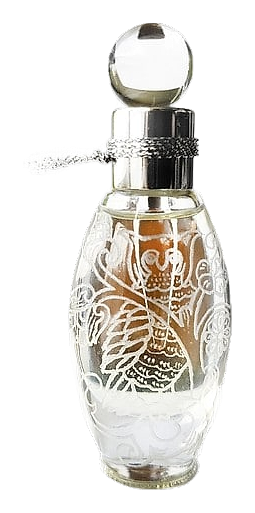
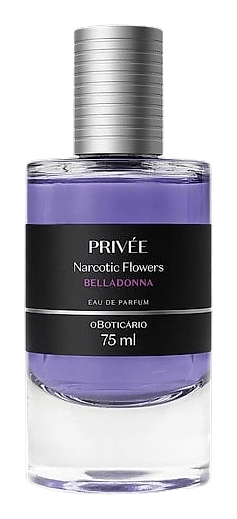
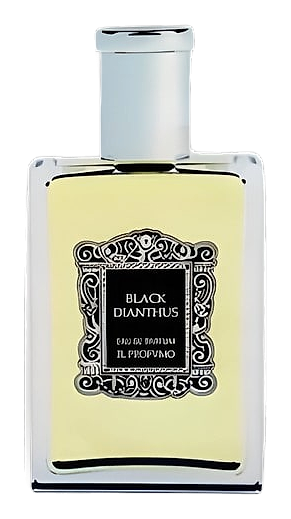
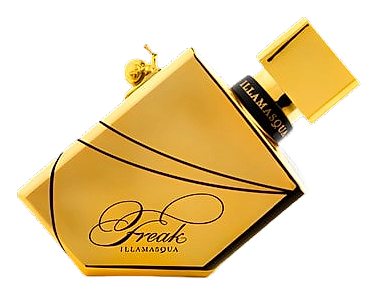
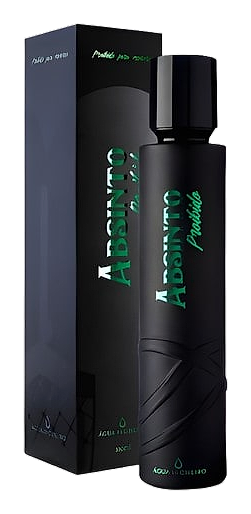
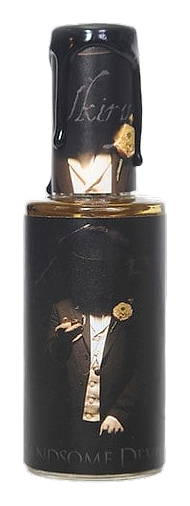
Brands
Brands known for Belladonna
Good to know
Questions, answered
The essentials on Belladonna in perfumery: how it smells, where it comes from, and how it behaves on skin.
Do perfumers actually use belladonna in fragrances?
No. Atropa belladonna is too toxic for any commercial extraction or use in perfumery. Every part of the plant contains dangerous tropane alkaloids.
Why is belladonna considered dangerous?
The plant contains potent tropane alkaloids including atropine and scopolamine. These compounds affect the nervous system and can cause serious poisoning even in small doses.
Where does the name belladonna come from?
From Italian. Belladonna literally means beautiful woman—Renaissance women used belladonna juice to dilate their pupils for cosmetic enhancement.
How do perfumers capture belladonna's character then?
Through synthetic molecular design. Chemists combine green, bitter, and earthy aromatic molecules to create accords suggesting the plant's dark, medicinal, slightly narcotic personality.
What does belladonna smell like in perfumery?
Conceptually, belladonna-inspired accords feature green, slightly medicinal notes with earthy undertones, subtle bitterness, and a mysterious nocturnal quality.
Which perfumery families use belladonna-inspired notes?
Dark florals and chypre compositions most commonly reference belladonna. The note appears in fragrances with gothic aesthetics, mysterious personalities, or nocturnal themes.
What historical cosmetics used belladonna?
Renaissance Italian women applied belladonna berry juice as eye drops to achieve cosmetic pupil dilation. This practice created striking wide-eyed appearances but carried genuine poisoning risks.
Are any belladonna relatives used in perfumery?
Some Solanaceae family members appear as minor reference points for perfumers studying the original plant's character, though synthetic recreation remains the standard approach.