
The Story
Why it exists.
The beginning
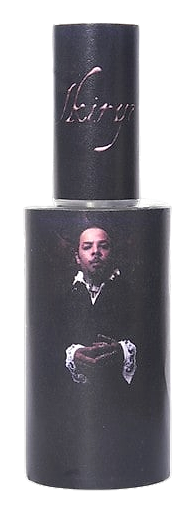
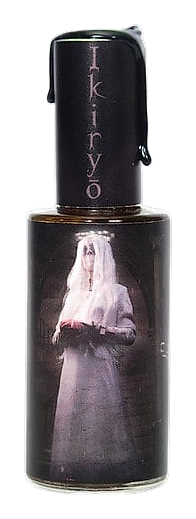
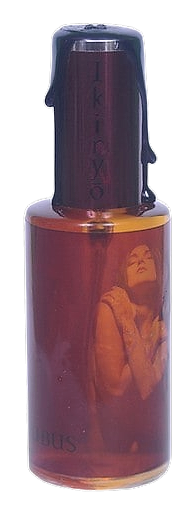
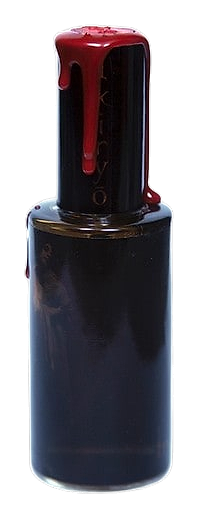
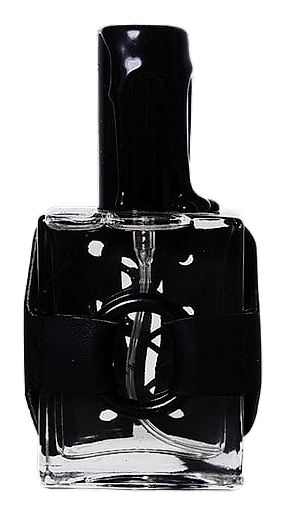
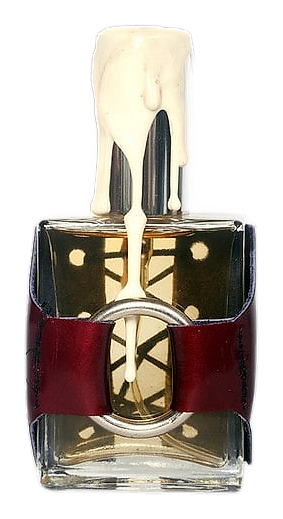
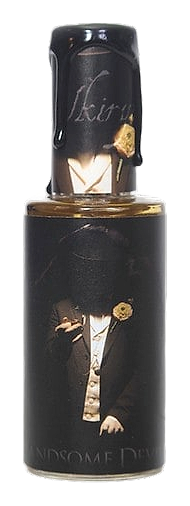
Vincent of Dreamhouse was testing an unnamed fragrance on a walk through downtown San Francisco. He was wearing his suit and vest, as was his habit. A woman passed him on the street, glanced back, and said it: aren't you a handsome devil. He thanked her, kept walking, and then stopped. That was the name. Not a focus group, not a marketing brief, just a stranger on the street, reading him like a book by his smell alone. It happened because the fragrance said something true about the person wearing it. The name stuck because it fit. Ikiryō has built its identity on exactly this kind of moment, fragrances that capture emotional states and narrative situations rather than ingredient checklists. Handsome Devil is no exception. The name arrived first, and the scent had to earn it. What followed was a composition that balances crisp, synthetic-fresh cleanliness with an undertow of tobacco and musk. Cool on the surface. Something else underneath.
The belladonna is the tell. Not toxic in the literal sense, but present, an herbal, slightly green bite that sits beneath the sweetness like a dare. Most fragrances smooth that edge out. Handsome Devil keeps it. The heart is built on hedione and coumarin, which together create a warm, sunlit floral quality, honeyed, almost hay-like. The tobacco adds body without heaviness. It's the kind of combination that could read as safe, but the belladonna prevents that. There's a tension in the heart: sweet and warm, but with a counter-note that keeps you slightly off-balance.
The evolution
The opening arrives fast. Citron's citrus snap and lavender's cool bite hit together, sharp and synthetic-clean. The belladonna arrives within minutes, not green in the way grass is green, but in the way nightshade is green. Slightly medicinal. Slightly wrong in the best way. The heart takes longer to develop than expected. That's unusual for a fragrance with this much aromatic opening. But as the citrus lifts fade, what's left is tobacco's natural bitterness softened by coumarin's sweetness, hedione's transparent floral lift. Spanish moss adds an earthy, slightly mossy undertone that grounds the sweetness. The heart is where Handsome Devil earns its name, it smells like someone who's been wearing the same suit for years, someone who knows exactly what they're doing. The drydown is the real story.
Cultural impact
Handsome Devil has developed a loyal following among niche fragrance enthusiasts who appreciate its unconventional character. The belladonna note remains a conversation starter, something that divides opinion and rewards attention. It's confident enough to wear daily, interesting enough to remember. The fragrance attracts people who've grown tired of the usual suspects, those seeking something that speaks to their curiosity rather than their desire to fit in. The belladonna creates a particular tension in the composition, something that asks the wearer to embrace a certain complexity rather than shy away from it.
The House
IkiryōIkiryō is an independent perfume house based in San Francisco, founded by Vincent Dreamhouse. The brand takes its name from the Japanese concept of ikiryō: a spirit that leaves the body during sleep, wandering between worlds while the physical form rests. This haunting imagery infuses the entire collection, where each fragrance functions as a kind of olfactory double, capturing emotional states and narrative moments rather than simple ingredient assemblies. Ikiryō has released roughly a dozen perfumes since its debut, including Desdemona, Miscegenation, Succubus, Incubus, Damn Hippie, Ame Torturée, Lucidité, Fugue, Continuum, and Beija-Flor. The house occupies a distinctive position within American artisan perfumery, blending theatrical conceptualization with materials drawn from the broader fragrance supply chain. Vincent Dreamhouse brings a background in costume and visual design for opera companies to his work in fragrance, translating a sense of character, narrative, and stagecraft into liquid form. The result is a collection that tends toward atmospheric, emotionally layered compositions with names borrowed from literature, mythology, and cultural archetypes.
The Creator
Vincent of DreamhouseVincent's aesthetic remains somewhat opaque from available information, as neither specific fragrance compositions nor signature ingredients have been documented in sources reviewed. His Japanese-influenced brand naming suggests cultural curiosity and a willingness to draw fro…