

    Home/Brands/Ikiryō
    Brand Profile

    Ikiryō

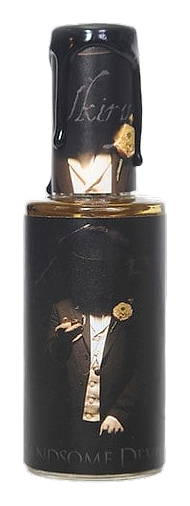
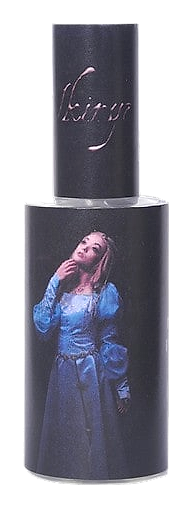
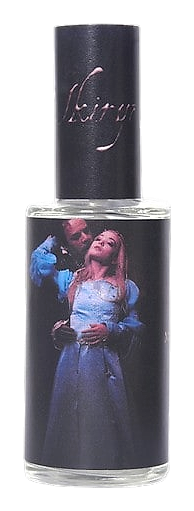
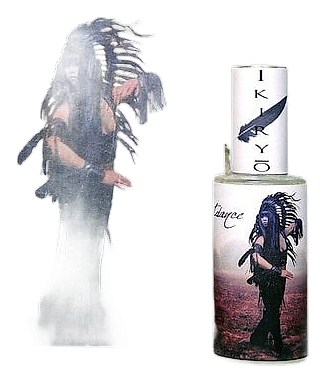
    Ikiryō is an independent perfume house based in San Francisco, founded by Vincent Dreamhouse. The brand takes its name from the Japanese concept of ikiryō: a spirit that leaves the body during sleep, wandering between worlds while the physical form rests. This haunting imagery infuses the entire collection, where each fragrance functions as a kind of olfactory double, capturing emotional states and narrative moments rather than simple ingredient assemblies. Ikiryō has released roughly a dozen perfumes since its debut, including Desdemona, Miscegenation, Succubus, Incubus, Damn Hippie, Ame Torturée, Lucidité, Fugue, Continuum, and Beija-Flor. The house occupies a distinctive position within American artisan perfumery, blending theatrical conceptualization with materials drawn from the broader fragrance supply chain. Vincent Dreamhouse brings a background in costume and visual design for opera companies to his work in fragrance, translating a sense of character, narrative, and stagecraft into liquid form. The result is a collection that tends toward atmospheric, emotionally layered compositions with names borrowed from literature, mythology, and cultural archetypes.

    United StatesEst. 2016
    4
    Fragrances
    4.7
    Avg rating
    Shop the collection
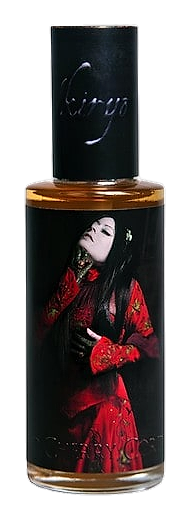
    SignatureBlood Cherry Cordial
    Blood Cherry Cordial
    EDP
    Community
    4.7
    Average rating
    across 4 fragrances
    Collection
    4
    Fragrances and counting
    Heritage
    2016
    Founded in United States

    Most loved

    Bestsellers from Ikiryō

    Blood Cherry Cordial by Ikiryō
    Ikiryō
    Blood Cherry Cordial
    4.7
    Compare prices
    Eidolan by Ikiryō
    Ikiryō
    Eidolan
    5.0
    Compare prices
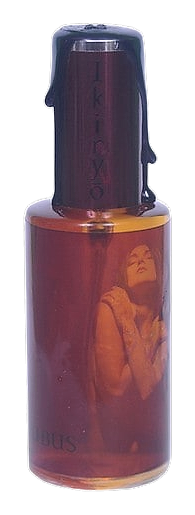
    Succubus by Ikiryō
    Ikiryō
    Succubus
    4.7
    Compare prices
    White Rabbit by Ikiryō
    Ikiryō
    White Rabbit
    4.3
    Compare prices
    Coming soonVanilla Opi-Oud by Ikiryō
    Ikiryō
    Vanilla Opi-Oud
    3.9
    Coming soon
    Coming soonOneirogen by Ikiryō
    Ikiryō
    Oneirogen
    4.1
    Coming soon
    Coming soonLucidité by Ikiryō
    Ikiryō
    Lucidité
    4.3
    Coming soon
    Coming soonContinuum by Ikiryō
    Ikiryō
    Continuum
    4.6
    Coming soon
    Coming soonIncubus by Ikiryō
    Ikiryō
    Incubus
    4.4
    Coming soon
    Coming soonAme Torturée by Ikiryō
    Ikiryō
    Ame Torturée
    4.3
    Coming soon
    Coming soonDe Mauvais Augure by Ikiryō
    Ikiryō
    De Mauvais Augure
    3.9
    Coming soon
    Coming soonSugaring by Ikiryō
    Ikiryō
    Sugaring
    3.8
    Coming soon

    Fresh in

    New from the house

    Eidolan by Ikiryō
    Ikiryō
    Eidolan
    5.0
    Compare prices
    Blood Cherry Cordial by Ikiryō
    Ikiryō
    Blood Cherry Cordial
    4.7
    Compare prices
    Succubus by Ikiryō
    Ikiryō
    Succubus
    4.7
    Compare prices
    White Rabbit by Ikiryō
    Ikiryō
    White Rabbit
    4.3
    Compare prices
    Coming soonCandygirl by Ikiryō
    Ikiryō
    Candygirl
    Coming soon
    Coming soonCarpe Paradisum by Ikiryō
    Ikiryō
    Carpe Paradisum
    Coming soon
    Coming soonYukion’na by Ikiryō
    Ikiryō
    Yukion’na
    Coming soon
    Coming soonKoi Suru Hito by Ikiryō
    Ikiryō
    Koi Suru Hito
    Coming soon
    Coming soonPerseus by Ikiryō
    Ikiryō
    Perseus
    Coming soon
    Coming soonIn the m'Oud by Ikiryō
    Ikiryō
    In the m'Oud
    Coming soon
    Coming soonThe Venusian by Ikiryō
    Ikiryō
    The Venusian
    Coming soon
    Coming soonI Have Brought You Flowers by Ikiryō
    Ikiryō
    I Have Brought You Flowers
    Coming soon

    Heritage

    A house, in its own words

    Ikiryō emerged from San Francisco's independent fragrance scene in the mid-2010s under the direction of Vincent Dreamhouse. Before entering perfumery, Dreamhouse spent several years designing costumes and visual elements for opera companies operating in California, a career path he began around 2008. Opera, as an art form, demands a total commitment to world-building: every visual choice, every fabric, every silhouette must serve a narrative. Dreamhouse carried this sensibility with him when he eventually turned his attention to fragrance. The transition from costume design to perfume was not arbitrary. Scents, like garments, function as a second skin; they alter how a person presents themselves to the world and how they feel within it. The opera stage, with its heightened emotions and archetypal characters, left a lasting imprint on Dreamhouse's approach to fragrance composition. Rather than beginning with a list of ingredients, he reportedly starts with an emotional or narrative concept, building the scent around that core idea. The house released its debut fragrance, Continuum, in 2016, followed by a rapid succession of new work through the late 2010s. This pace of creation placed Ikiryō among the more productive independent American houses of the period. The brand's San Francisco roots situate it within a city with a long history of countercultural creativity and artistic experimentation, influences that surface in the provocative, often confrontational names the house chooses for its perfumes.

    Ikiryō operates from a conviction that fragrance is a form of storytelling. Each perfume in the collection is conceived around a specific emotional or narrative premise, often drawn from literature, mythology, or psychological states. Names like Desdemona, Succubus, and Incubus signal an interest in archetypes and duality, the light and shadow that coexist within human experience. This approach treats the wearer not as a consumer but as a participant in a scenario the fragrance conjures. The concept of ikiryō itself, a spirit that separates from the body during sleep, speaks to the brand's fascination with what lies beneath the surface of ordinary consciousness. Dreams, liminal states, and the tension between the visible self and hidden inner life recur as thematic territory. Vincent Dreamhouse's background in theatrical design informs this narrative-first approach. Just as a costume designer considers the story a character is living before selecting fabrics and colors, Dreamhouse reportedly considers the emotional journey a fragrance should evoke before assembling its materials. This methodology produces perfumes that tend toward atmospheric complexity rather than linear, single-note trajectories. The house appears to resist the conventional marketing logic of categorizing scents by gender, season, or occasion, preferring instead to let each fragrance occupy its own fully realized conceptual space.

    2008
    Vincent Dreamhouse begins designing costumes and visual elements for opera companies in California.
    2016
    Ikiryō releases its debut fragrance, Continuum.
    2016
    The house releases Ame Torturée and Lucidité, establishing a rapid output cadence.
    2017
    A cluster of releases appears, including Succubus, Incubus, Damn Hippie, and Fugue.
    2018
    Desdemona and Miscegenation join the collection, both named after literary and cultural references.
    2020
    Beija-Flor, referencing the Brazilian hummingbird, is released as one of the house's more recent compositions.

    The noses

    Perfumers behind the house

    Did you know?

    Interesting facts

    01

    The brand name ikiryō derives from Japanese folklore, describing a spirit that separates from a sleeping person's body and wanders independently, a concept that deeply informs the house's conceptual approach to fragrance.

    02

    Founder Vincent Dreamhouse brought experience from haute couture and costume design for opera companies to his work in perfumery, a background that shapes the theatrical, narrative-driven quality of the collection.

    03

    The house released four fragrances in 2017 alone: Succubus, Incubus, Damn Hippie, and Fugue, a production pace that established it as one of the more prolific independent American fragrance houses of the late 2010s.

    04

    Beija-Flor, meaning 'hummingbird' in Portuguese, represents a rare shift toward natural-world imagery in a collection otherwise dominated by mythological and literary references.