
The Story
Why it exists.
The beginning
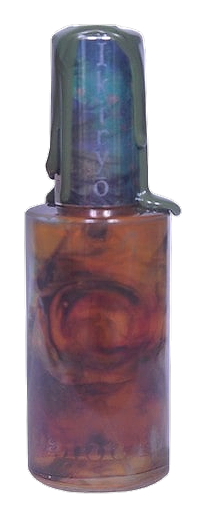
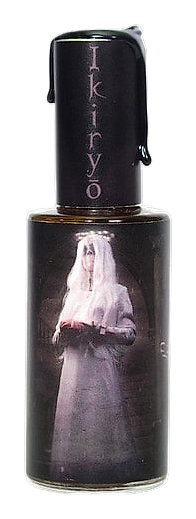
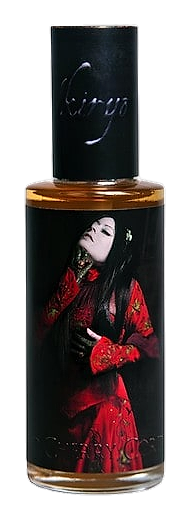
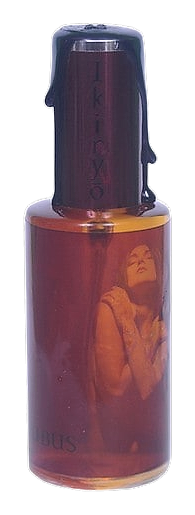
Vincent of Dreamhouse named Succubus for the mythological figure who visits in dreams, a spirit that slips between worlds while the body sleeps. That concept of desire made tangible, of presence without permission, runs through every Ikiryō fragrance. Succubus, launched in 2017, is the house's take on that archetype: sweet and warm, intimate rather than announced, the kind of scent that feels like it was already on your skin when you woke up. Dreamhouse has spoken about fragrance as a second skin, an alter ego, and Succubus is exactly that. It doesn't ask for attention. It holds it.
What makes Succubus interesting is the tension between sweetness and warmth. The tropical fruit notes, lychee, dragon fruit, melon, could read generic in the wrong hands. But the white wine accord keeps them slightly boozy, slightly sophisticated. Vanilla and cashmeran in the base create that skin-close, almost unconscious warmth. And the immortelle adds a honeyed, slightly smoky resin that keeps the drydown from disappearing entirely. It's sweet-fruity, yes. But it's not uncomplicated.
The evolution
The opening hits bright and effervescent, lychee, white wine, mandarin orange, a quick flash of melon. That boozy white wine note is the first thing that separates this from standard fruity florals. Within 20 minutes, the florals arrive and soften everything. The lychee and dragon fruit deepen. Musk adds warmth. This is where Succubus becomes itself, less effervescent, more intimate. The drydown is where it earns its name. Vanilla and cashmeran wrap close, almost skin-like. Incense and cedar provide structure without heaviness. Immortelle adds a honeyed, slightly smoky resin that lingers. On most skin types, this lasts 6-8 hours with moderate sillage, present for close contact, never overwhelming.
Cultural impact
Succubus arrived in 2017 as part of a wave of independent fragrances that rejected the polished, mass-market approach dominating perfumery. The white wine accord was unusual for niche fragrance at the time, blending beverage culture with beauty in a way that felt personal rather than commercial. Creator Vincent of Dreamhouse brought a theatrical background from opera costume design, and that sensibility shows in the fragrance narrative. Rather than positioning itself as luxury or avant-garde, Succubus occupied a middle ground that appealed to fragrance enthusiasts seeking something wearable but distinct. Social media communities around 2017-2018 helped spread word of mouth, with wearers sharing comparisons to mainstream sweet fragrances while noting what set it apart.