White Wine
White Wine in perfumery captures the crisp elegance of fermented grape spirit—fruity esters, bready yeast, and bright acidity that breathes modern fragrance composition into life.
Character
How it smells
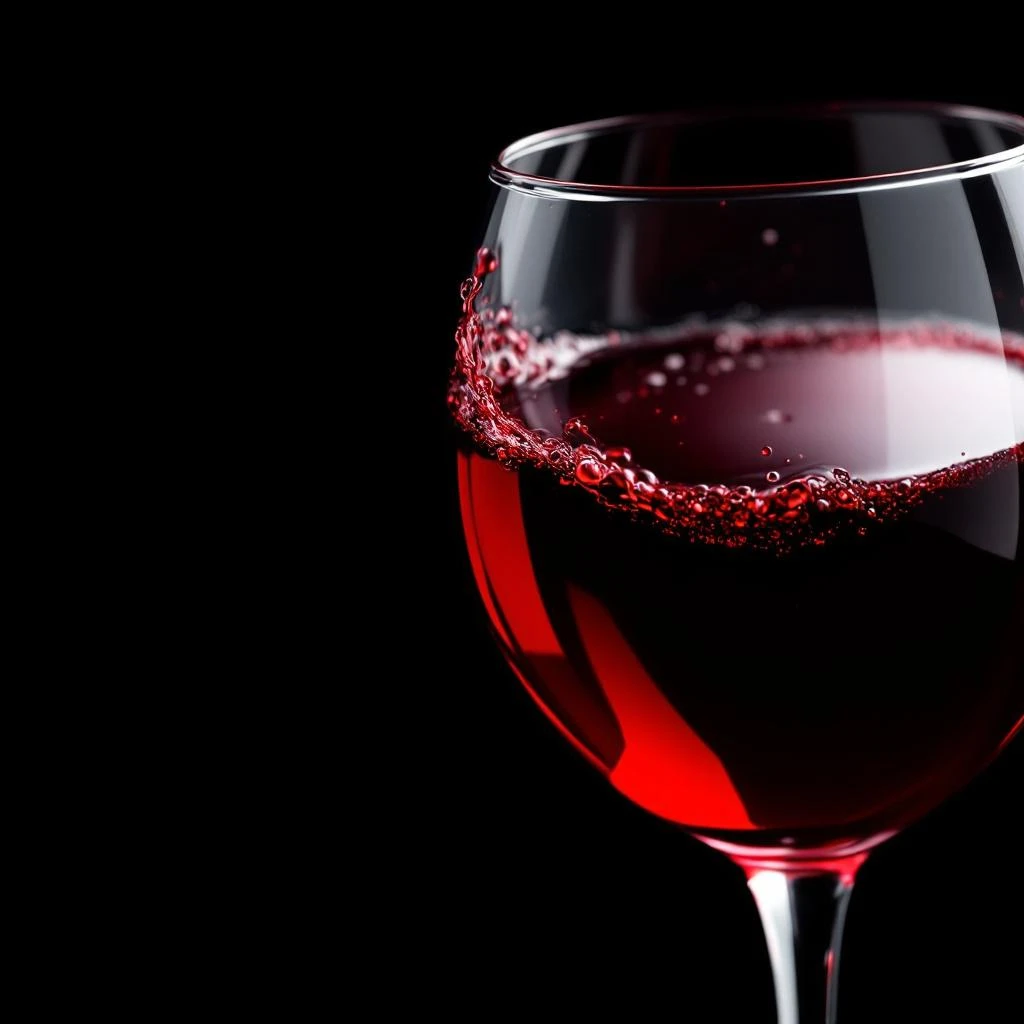
The fermented elegance of sun-ripened grapes.
Perfumery borrows wine's aromatic vocabulary to describe crisp, fruity freshness—the same esters that make a Chardonnay smell of apple and tropical fruit appear in fragrance.








Origin
France
Wine and perfume share ancient roots. The ancient Egyptians soaked flowers in wine to create scented preparations, and Greek perfumers of the 4th century BCE experimented with aromatic wines as unguents. Medieval Arab physicians who developed distillation techniques could separate wine's aromatic compounds, though their primary interest lay in rose water and essential oils.
French perfumers of the 18th and 19th centuries began systematically studying wine's aroma chemistry as perfumery became more sophisticated. Today, White Wine accords appear in modern fine fragrance as a nod to French cultural heritage—evoking the Burgundian cellars and Champagne houses where perfumers and winemakers share an understanding of fermentation chemistry.
Wears it best
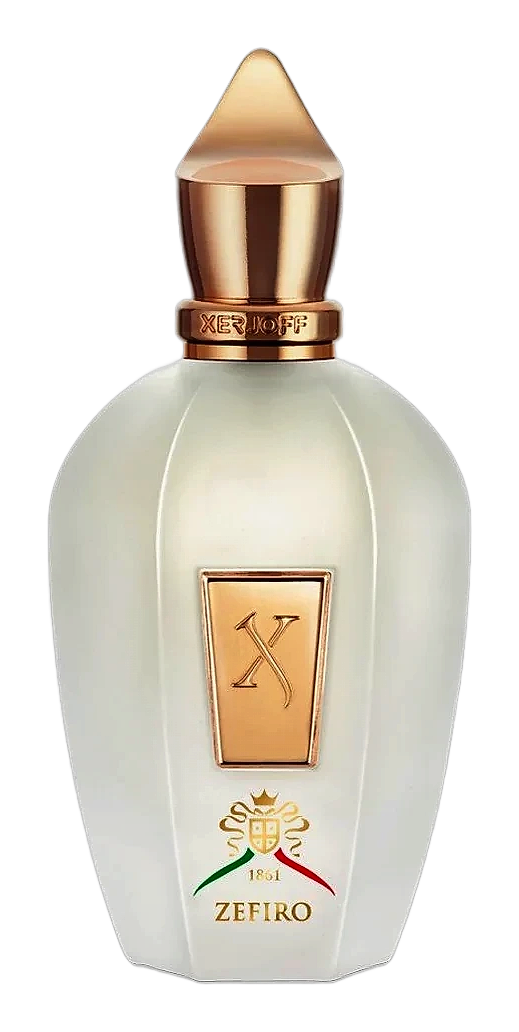
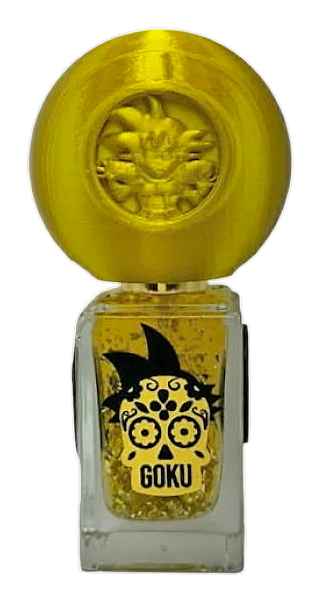
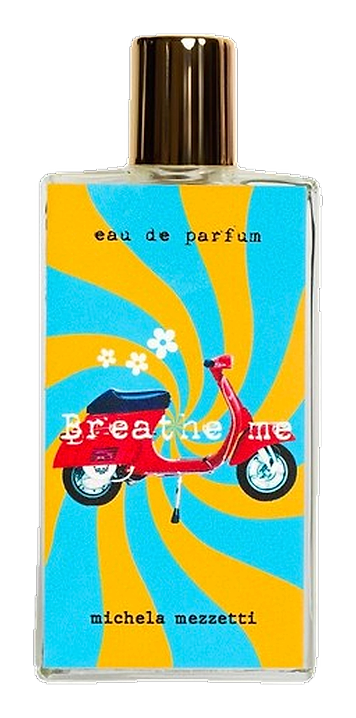
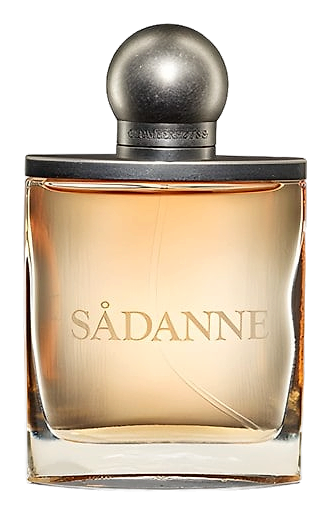
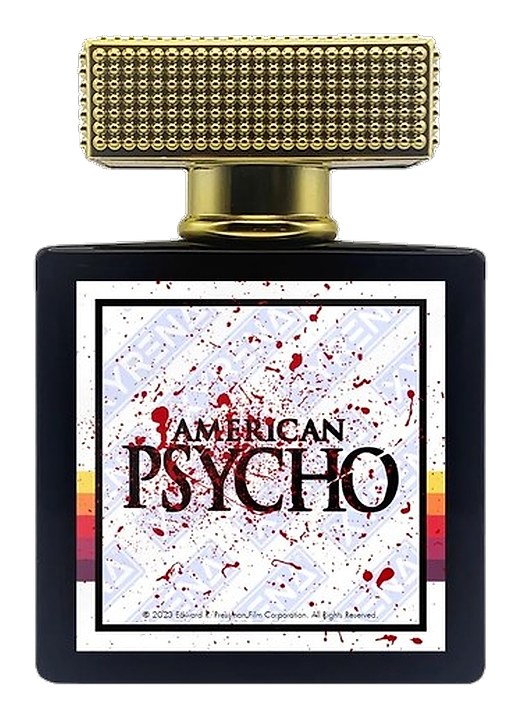
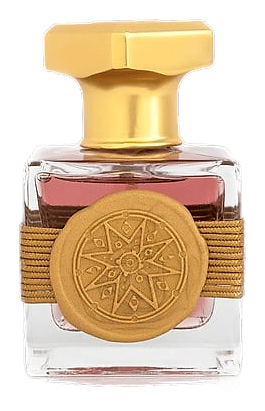
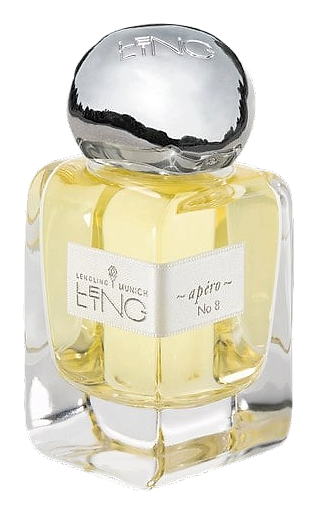
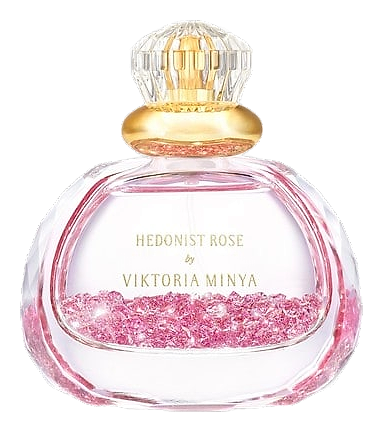
Fragrances featuring White Wine

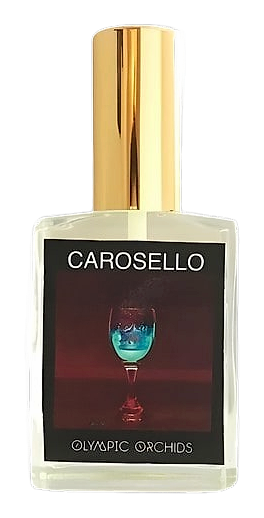
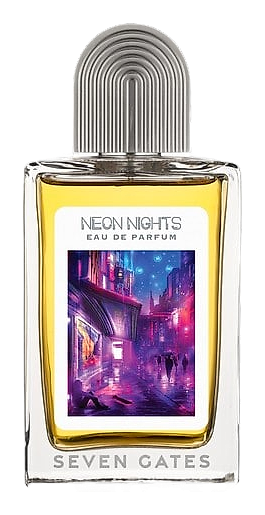
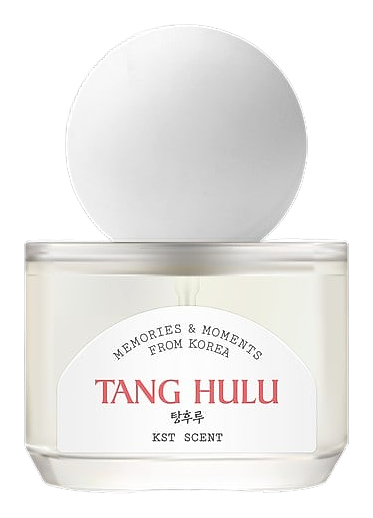
Brands
Brands known for White Wine
Good to know
Questions, answered
The essentials on White Wine in perfumery: how it smells, where it comes from, and how it behaves on skin.
Is actual white wine used in perfume?
In most cases, no. Perfumers craft White Wine accords by blending materials that together smell like white wine—estery compounds, fruity aldehydes, and supporting base notes. Some houses do create authentic wine tinctures, but actual distillation of white wine is uncommon due to technical challenges.
What does White Wine smell like?
The note captures crisp white grape aromas, fruity ester brightness (think green apple, pear, tropical fruits), subtle bready yeast autolysis, and clean fermented acidity. Different grape varieties emphasize different qualities—Chardonnay brings buttery depth, Sauvignon Blanc adds zesty green notes.
Which compounds create the white wine smell?
Key aroma compounds include ethyl acetate (fruity solvent quality), isoamyl acetate (banana-pear), diethyl succinate (fruity-wine), and various fatty acid esters. These same compounds occur naturally during grape fermentation and appear in finished white wine's headspace.
Is White Wine a natural or synthetic ingredient?
Neither applies directly. White Wine is an aromatic accord—a composition of multiple materials, some natural and some synthetic, blended to evoke the wine experience. This accord-building approach lets perfumers precisely calibrate the fruitiness, acidity, and bready quality they want.
What fragrances feature White Wine notes?
White Wine qualities appear across multiple fragrance families, particularly in modern florals and fresh orientals. The note works especially well alongside white floral notes like jasmine and muguet, citrus top notes, and soft musks that let its fruity freshness shine.
Does White Wine have any traditional perfumery roots?
Perfumers have referenced wine in fragrance since at least the 18th century French tradition. Earlier fragrance houses often had wine industry connections, and perfumers studied wine's fermentation chemistry to understand aromatic material behavior. The formal White Wine accord is a 20th-century development.
How does White Wine differ from Cognac notes?
Cognac is a specific, well-established perfumery ingredient extracted directly from cognac wine lees through hydrodistillation—it provides rich, deep, slightly sulfurous brandy warmth. White Wine accords are lighter, crisper, more estery and fruity, capturing the bright acidity of unaged white wine rather than the caramelized depth of distilled spirit.
What occasions suit fragrances with White Wine notes?
White Wine accords read as fresh, modern, and daytime-appropriate. They work exceptionally well in spring and summer wear, office environments, and any situation where a crisp, somewhat sophisticated fruity freshness suits the occasion.