The Story
Why it exists.
The beginning
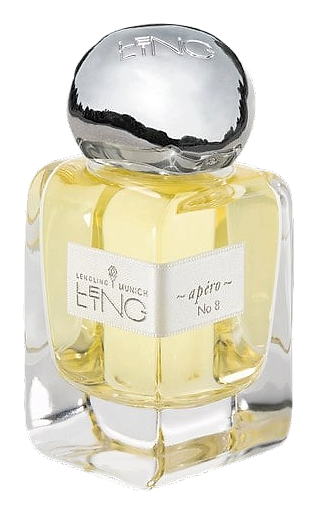
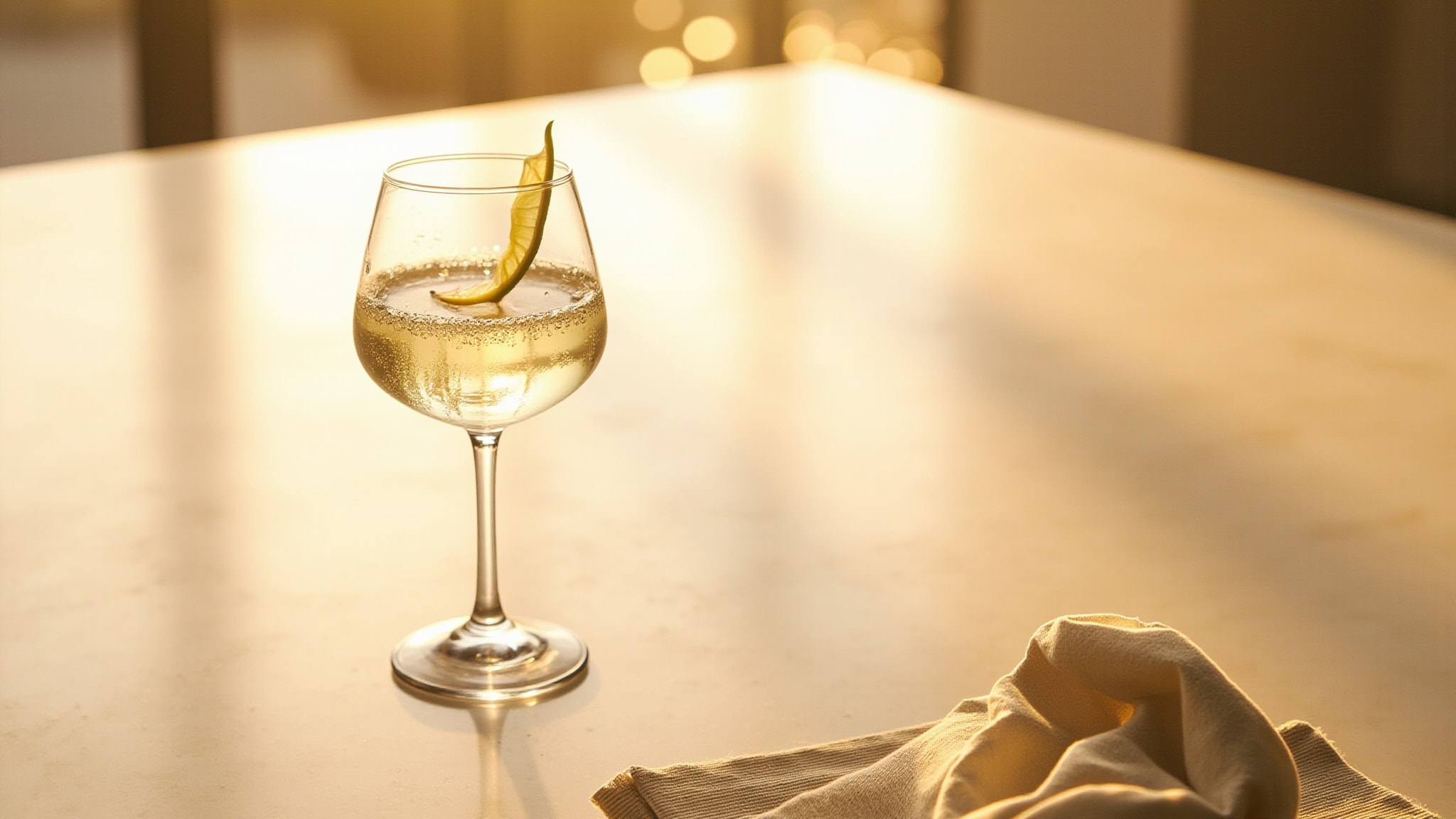
The apéro hour exists in the space between day and night. Between the work you finished and the evening ahead. It's Mediterranean in spirit but universal in appeal: that threshold moment when the light turns golden and a glass of something good becomes the only logical response. Marc Vom Ende translated this into Apero No. 8. The brief wasn't just 'summery' or 'warm', it was the specific pleasure of slowing down, of making a ritual out of the ordinary. White wine as a named note wasn't a gimmick. It was the point. The effervescent brightness, the warmth of late sun through a glass, the way it signals transition. This is a fragrance built for the hour most fragrances forget about, the one after the last meeting and before the night decides what it wants to be.
The real tension in Apero No. 8 lives in that wine accord. White wine in perfume is a tricky proposition, it can tip into literal grape juice or become a vague 'fruity' gesture that doesn't earn the name. Vom Ende's solution was to treat the chardonnay not as a note but as a structural element. It bridges the citrus opening and the warm floral heart, holding both sides in conversation. That bridge has to be delicate: present enough to justify the name, invisible enough not to overwhelm the florals that follow. The ginger helps. A clean heat that reads more like atmosphere than spice, it keeps the opening honest without foreclosing the softness that arrives minutes later.
The evolution
The opening announces itself clearly: lime and petitgrain, bright and clean, with ginger lending a warmth that prevents it from reading as sharp. The white wine accord surfaces quickly, not as a grape smell but as an effervesant quality, the suggestion of bubbles without the literalism. It bridges into the heart within minutes. Heliotrope and mimosa arrive together, and this is where the fragrance earns its powdery classification. The heliotrope brings its characteristic cherry-almond softness; the mimosa contributes a honeyed, sunlit yellow that keeps the whole thing from going too far into cosmetics territory. Cashmeran and musk layer underneath, softening the florals and extending the wear. The drydown is where oud does quiet work, clean, slightly medicinal, not the barnyard animal that term sometimes implies. It tempers the sweetness rather than amplifying it, which is the right call. The tonka bean fades last, leaving a warm, coumarin-adjacent trace that stays close to skin for hours. Moderate sillage throughout.
Cultural impact
Apero No. 8 occupies a specific niche: the intimate, warm, wine-adjacent fragrance for someone who finds the apéro hour more interesting than the nightclub. It's personal sillage rather than room-filling projection, the kind of scent that rewards proximity. The community response clusters around two poles: appreciation for the powdery florals handled with confidence, and occasional caution about the mimosa-heavy heart overwhelming dryer skin types. What keeps it distinctive is the wine accord treated as architecture rather than novelty.