The Story
Why it exists.
The beginning
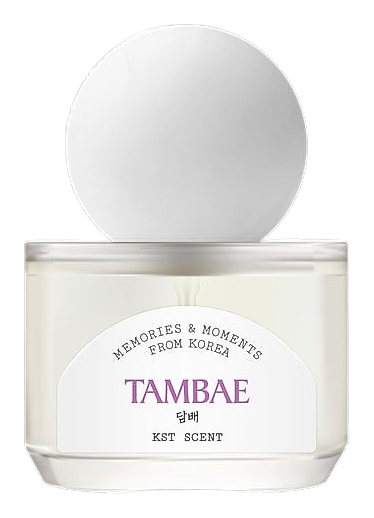
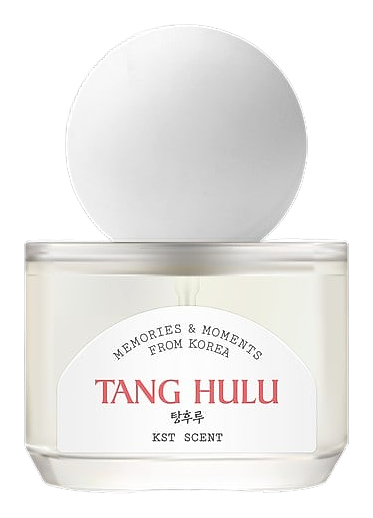
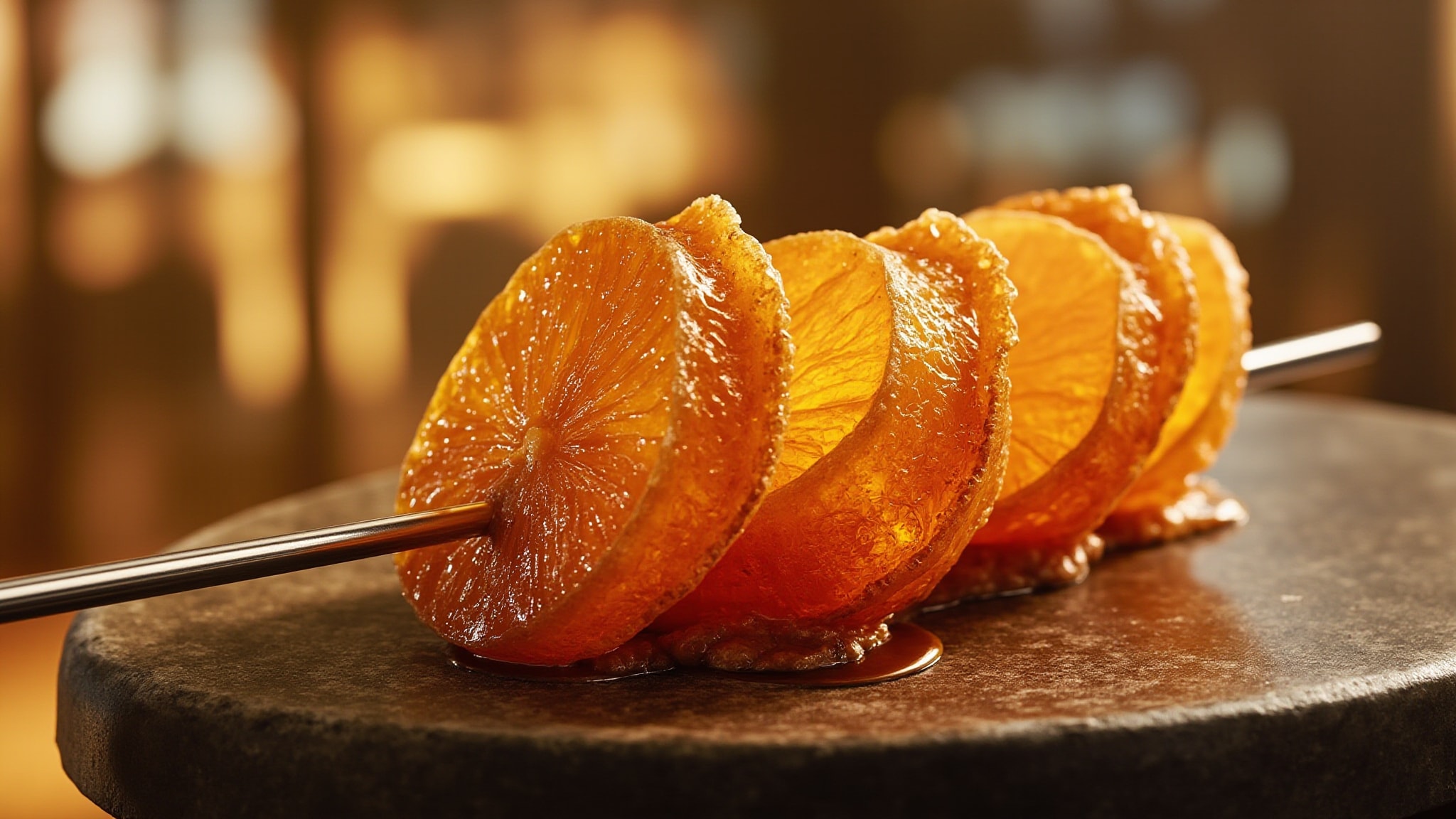
Tang Hulu, the glazed fruit skewers that became a Korean street food staple, has a way of making people stop mid-sidewalk. Originally Chinese, the dessert migrated into Seoul's night markets and became something else entirely: a ritual, a photo op, a sticky-fingered indulgence you plan your evening around. James Nguyen built Tang Hulu the fragrance around that specific joy, the moment the sugar shell cracks under your teeth and the fruit underneath bleeds sweet and bright. It's a memory translated into spirit, not a recreation of sugar and fire.
What makes this composition unusual is the white wine note threading through the heart. Most fruity florals would reach for a watery melon or a generically sweet base. Instead, Nguyen reaches for something fermented, a fermented grape sweetness that amplifies the strawberry rather than drowning it. Osmanthus then does something unexpected: it doesn't soften the sweetness. It deepens it, pushing the drydown into a honeyed, almost savory territory that lingers close to skin for hours after the fruit has faded.
The evolution
The opening hits fast, mandarin bright and sharp, with the glossy aldehydic sheen of sugar glazing heating under a torch. Within ten minutes, the white wine and strawberry arrive together, sweet and slightly boozy, like the syrup left in a strawberry jam jar after you've already eaten the berries. The sillage starts moderate and tightens as the top notes burn off, pulling closer to skin by hour two. By hour three, the sugar and osmanthus take over, a warm, sticky-sweet drydown that stays intimate and close, the kind that someone standing next to you will notice before you do. On fabric, it lasts significantly longer, clinging to the weave like the residue on a skewer stick you'd rather not throw away.
Cultural impact
Tang Hulu enters a crowded fruity-floral landscape with something specific: a cultural reference that non-Korean wearers might not immediately recognize but will want to understand. The dessert's visual language, torched fruit, sticky sugar, the theatricality of the vendor's flame, translates into a fragrance that photographs well and performs even better. Early reception splits predictably: those who get the reference love it for its specificity, while others appreciate the sweetness a little too much.