Dragon Fruit
Known for its striking appearance and subtly sweet flesh, dragon fruit brings a modern tropical character to fragrance. This cactus-derived note has become a signature in contemporary fruity compositions, offering a clean, exotic edge that feels both vibrant and refined.
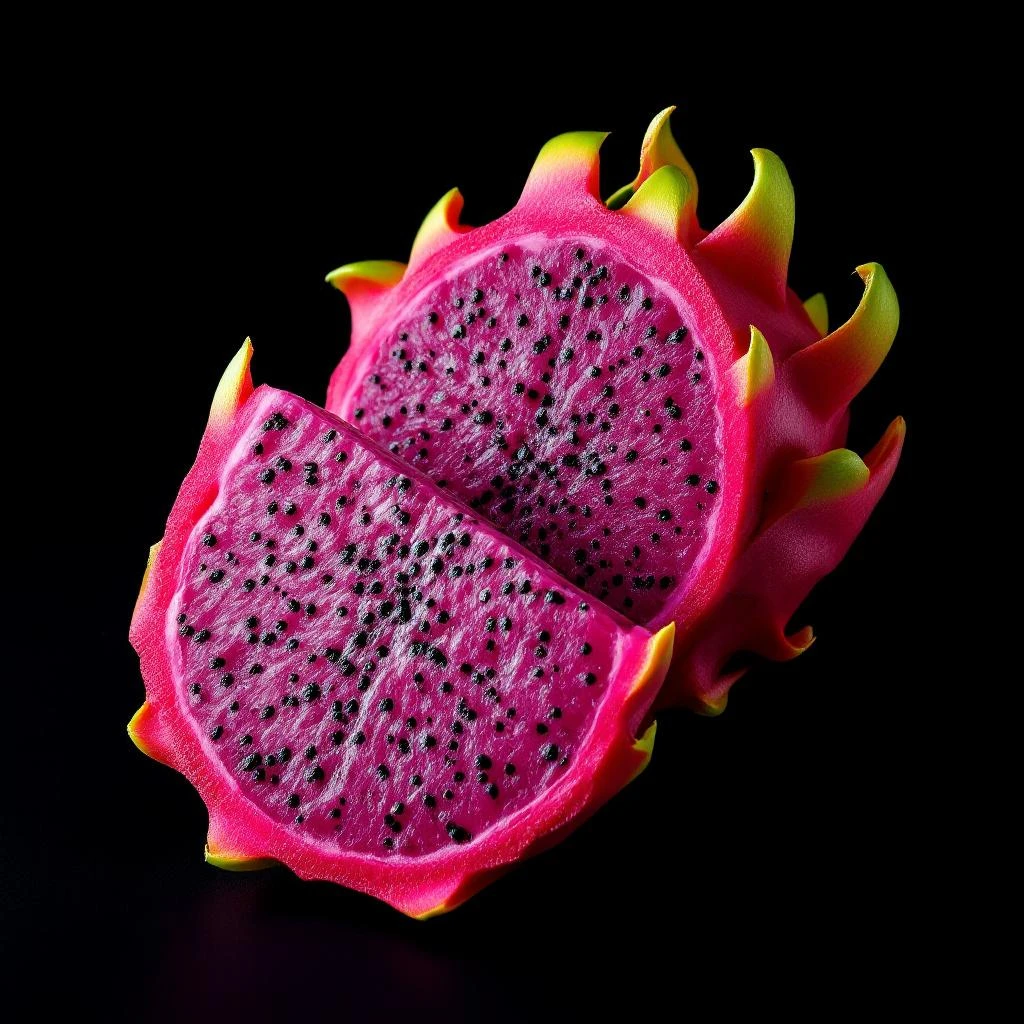
Character
How it smells
A clean tropical note from the cactus family.
Natural dragon fruit extract rarely behaves as expected in perfumery, so perfumers typically recreate its scent synthetically.






Origin
Mexico
Dragon fruit comes from cactus species in the genus Hylocereus and Stenocereus, native to the Americas. These climbing cacti originated in Mexico, Guatemala, and Costa Rica, where indigenous peoples cultivated them for centuries before European contact.
The fruit earned its dramatic name from its vivid scales, which resemble a dragon's back. Pre-Columbian cultures used the plant in traditional practices beyond food, reflecting deep botanical knowledge of regional flora.
Modern global cultivation expanded when the species spread to Southeast Asia, California, and tropical regions worldwide. Contemporary perfumery adopted dragon fruit as a signature tropical note, drawing on the plant's exotic American origins to anchor compositions in a sense of place.
Wears it best
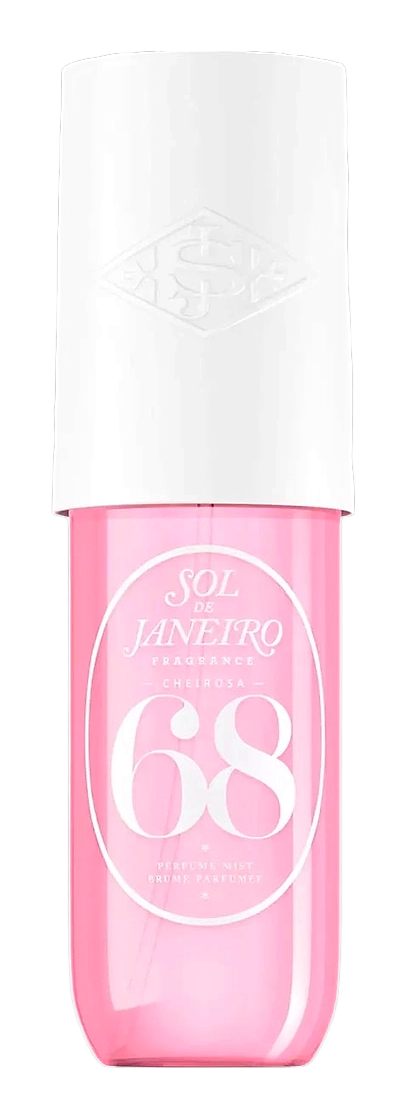
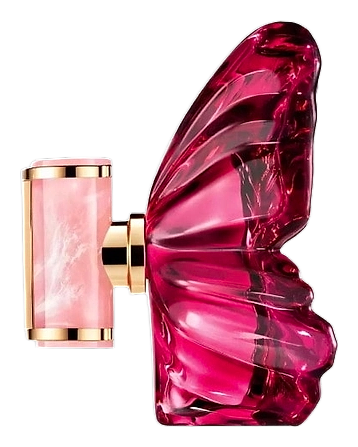
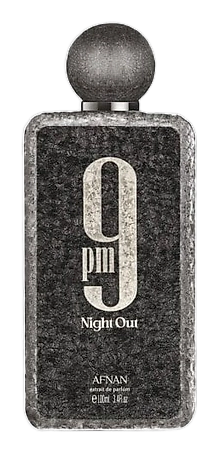
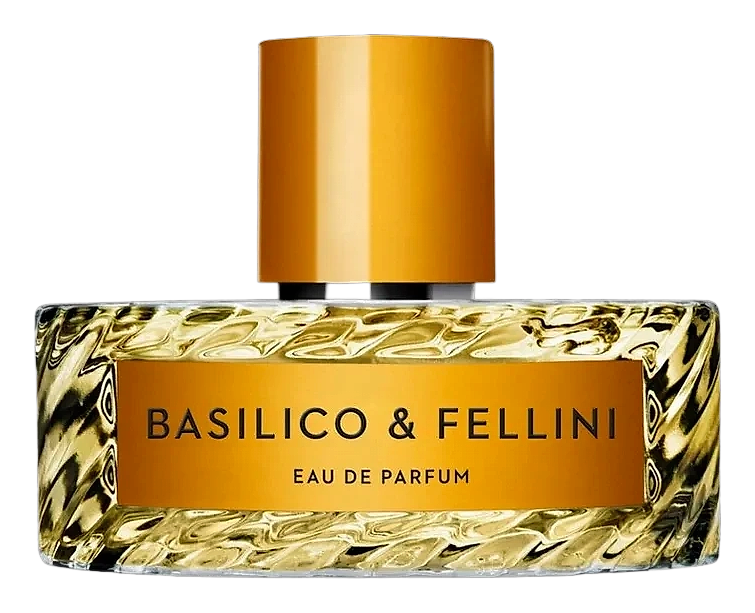
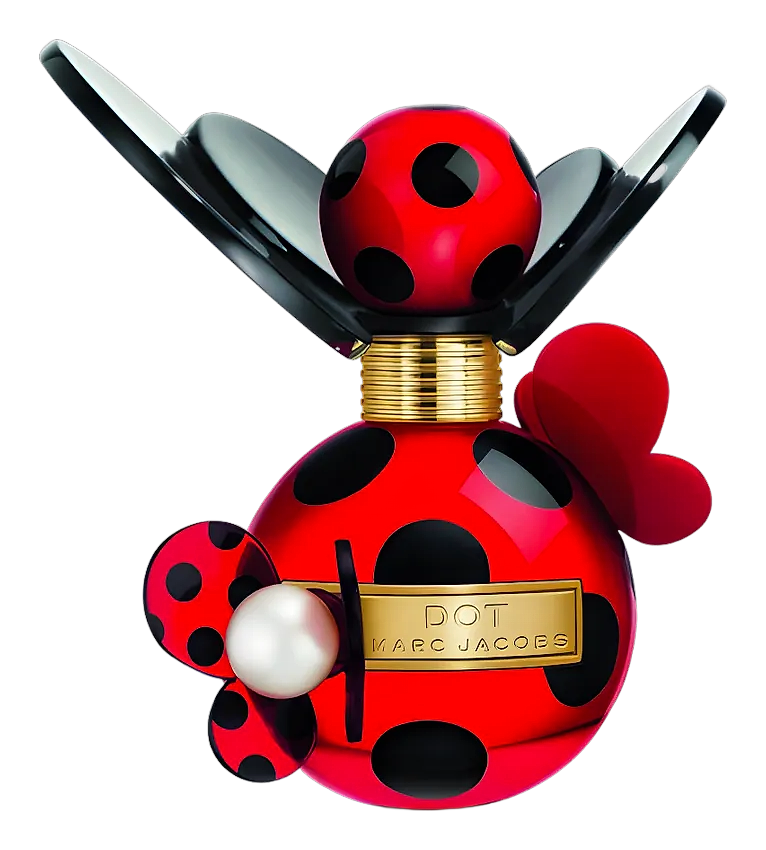
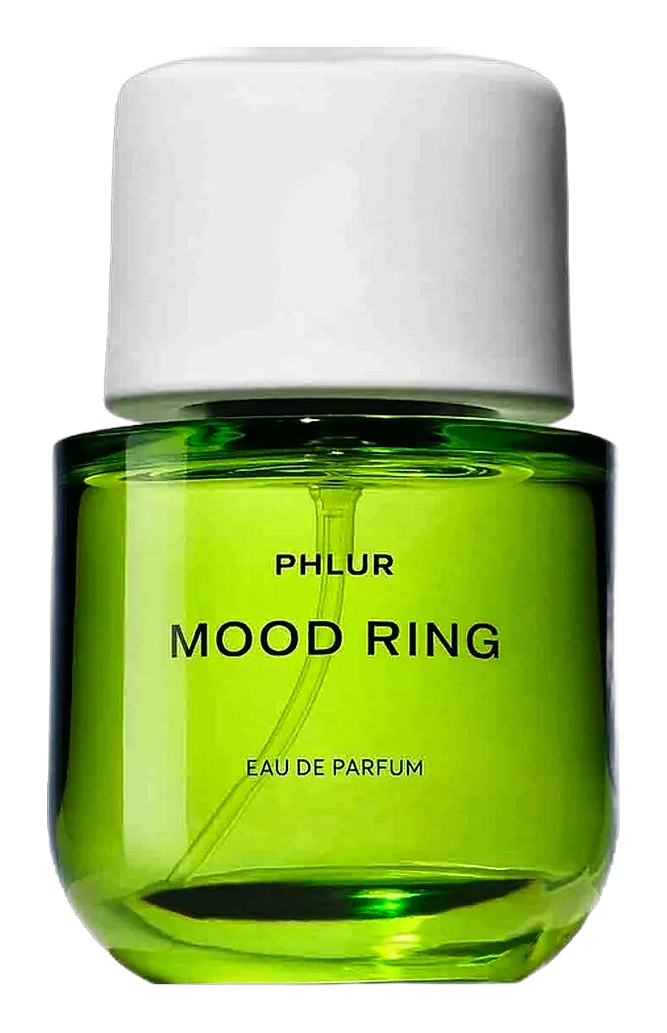
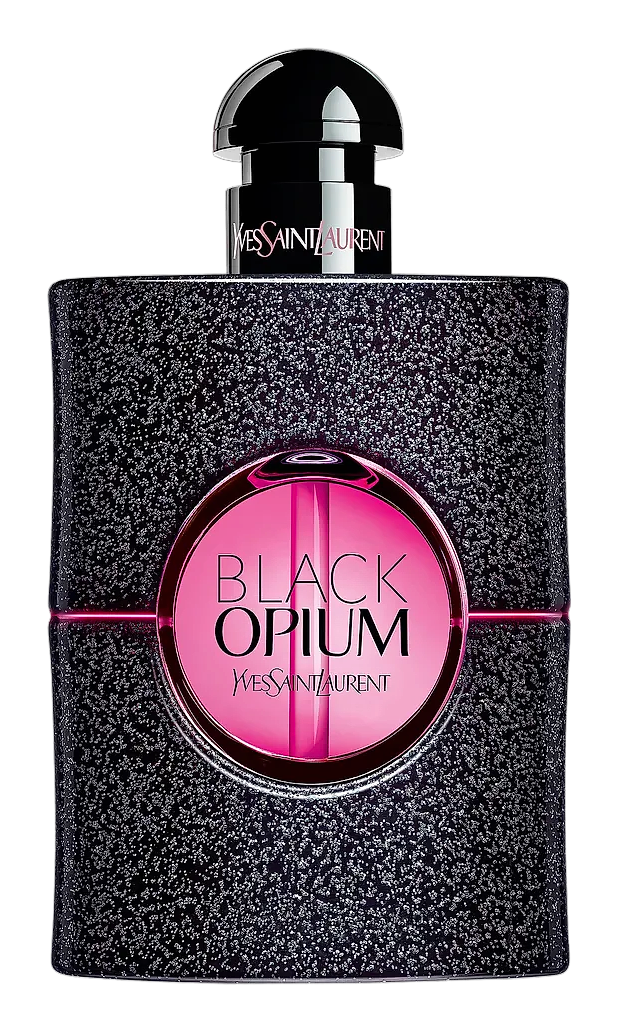
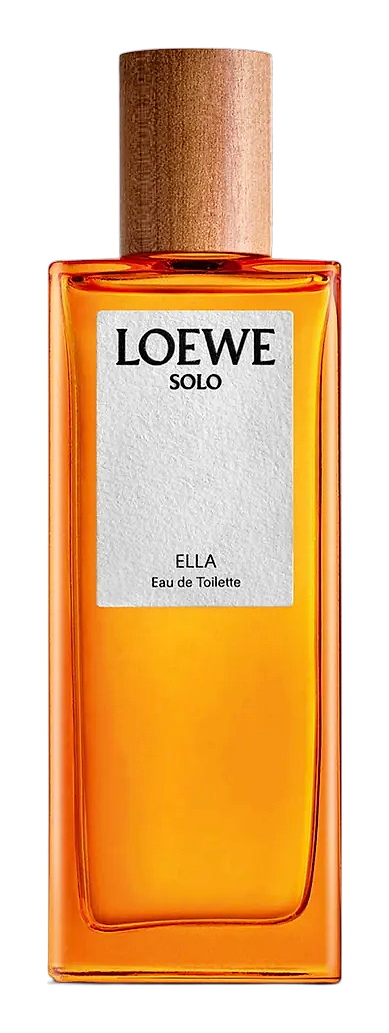
Fragrances featuring Dragon Fruit



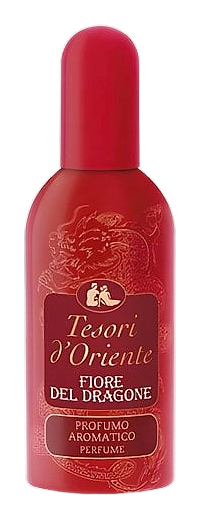
Brands
Brands known for Dragon Fruit
Good to know
Questions, answered
The essentials on Dragon Fruit in perfumery: how it smells, where it comes from, and how it behaves on skin.
Is dragon fruit natural or synthetic in perfume?
Dragon fruit in perfumery is almost always synthetic. Natural fruit extracts rarely yield expected odors during extraction, so fragrance chemists recreate the note through laboratory synthesis.
Where does dragon fruit come from?
Dragon fruit originates from cactus species native to Mexico and Central America. The climbing cacti grow in tropical regions and were cultivated by indigenous peoples long before European contact.
What does dragon fruit smell like in fragrance?
Dragon fruit provides a clean tropical character with subtle sweetness. It adds an exotic but approachable quality to fruity fragrance compositions, often described as watery and refreshing.
Which fragrance families use dragon fruit?
Dragon fruit appears primarily in modern fruity and tropical fragrance families. Perfumers use it to add freshness and exotic appeal, especially in summer fragrances and lifestyle products.
Why can't natural dragon fruit be extracted for perfume?
Fresh fruits like dragon fruit do not yield usable fragrance through traditional extraction methods. This limitation applies broadly to fruits, meaning synthetic recreation becomes necessary.
What is the scientific name for dragon fruit?
The most cultivated species is Hylocereus undatus. Related species like Stenocereus also produce fruit sold as dragon fruit or pitaya in tropical markets.
How do perfumers recreate dragon fruit scent?
Fragrance chemists use advanced techniques including headspace analysis to study the fruit's volatile compounds, then construct matching molecular structures synthetically in the laboratory.
When did dragon fruit become a perfumery ingredient?
Dragon fruit entered modern perfumery in recent decades alongside other tropical fruit notes. Contemporary fruity compositions, particularly from the 1990s onward, adopted this cactus-derived note.





