
The Story
Why it exists.
The beginning
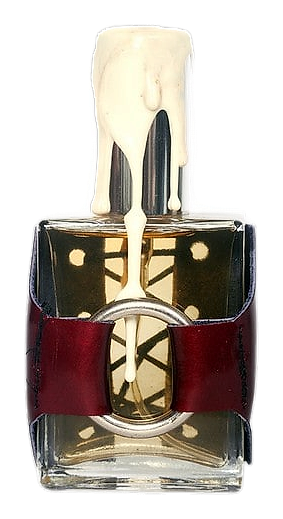
Pavor Nocturnus arrived in 2018 as the first sequel to Lucidité, the second movement in a trilogy exploring psychological states through scent. The name means 'night terrors' in Latin. But Ikiryō being Ikiryō, the name is a provocation, not a description. What sounds menacing resolves into something unexpectedly lovely, the way a bad dream can leave you clinging to the warmth of the body next to yours. Vincent of Dreamhouse designed this as a study in contradiction: floral beauty with an animalic underbelly, comfort and unease sharing the same bed. The concept asks what happens when the terrors that visit during sleep are translated into something you can wear into the morning.
The key material here is costus, an ingredient that divides everyone who encounters it. Described by some as 'fur scent,' it carries a distinctly animalic warmth that reads differently on every skin. In most compositions, it's kept in check. Here, it becomes the telling detail. Combined with cognac's boozy warmth, cherry blossom's fleeting sweetness, and a dark woody base of oud and amberwood, the structure moves from delicate floral into something with genuine depth. The datura adds a slightly narcotic, night-blooming quality that reinforces the whole proposition: this is a fragrance about the space between waking and dreaming, self and shadow.
The evolution
The opening hits first with cherry blossom, a brief, delicate sweetness before the costus arrives and takes command. Within minutes, the animalic warmth dominates, and this is where opinions split. On some skin, it's a barely-there whisper. On others, it announces itself fully, the fur scent, the body warmth, the intimacy. The cognac weaves through the middle, adding depth and a slight boozy sweetness that keeps the animalics from feeling aggressive. By the drydown, hours in, the oud and amberwood settle into a warm woody base that lingers close to the skin. The sillage stays moderate throughout, this isn't a fragrance that fills a room. It rewards proximity. The person next to you will smell it. The person across the table won't.
Cultural impact
Pavor Nocturnus arrived in 2018 as part of a deliberate artistic project rather than a commercial launch. Ikiryō, the house behind it, operates from Japan and builds fragrances as explorations of psychological states rather than market categories. The costus material, an animalic ingredient that gives the scent its signature warmth, has become a dividing line in contemporary perfumery: wearers either find it enveloping or overwhelming, but rarely indifferent. Since its release, the fragrance has developed a small but devoted following among collectors who seek out its intensity. The 2018 trilogy, Lucidité, Pavor Nocturnus, Eidolan, functions as a triptych examining consciousness through scent, each chapter approaching a different emotional register.