Costus
Among perfumery's most controversial ingredients, costus root delivers an unmistakable animalic intensity that divides opinion and defines some of the world's most legendary fragrances.
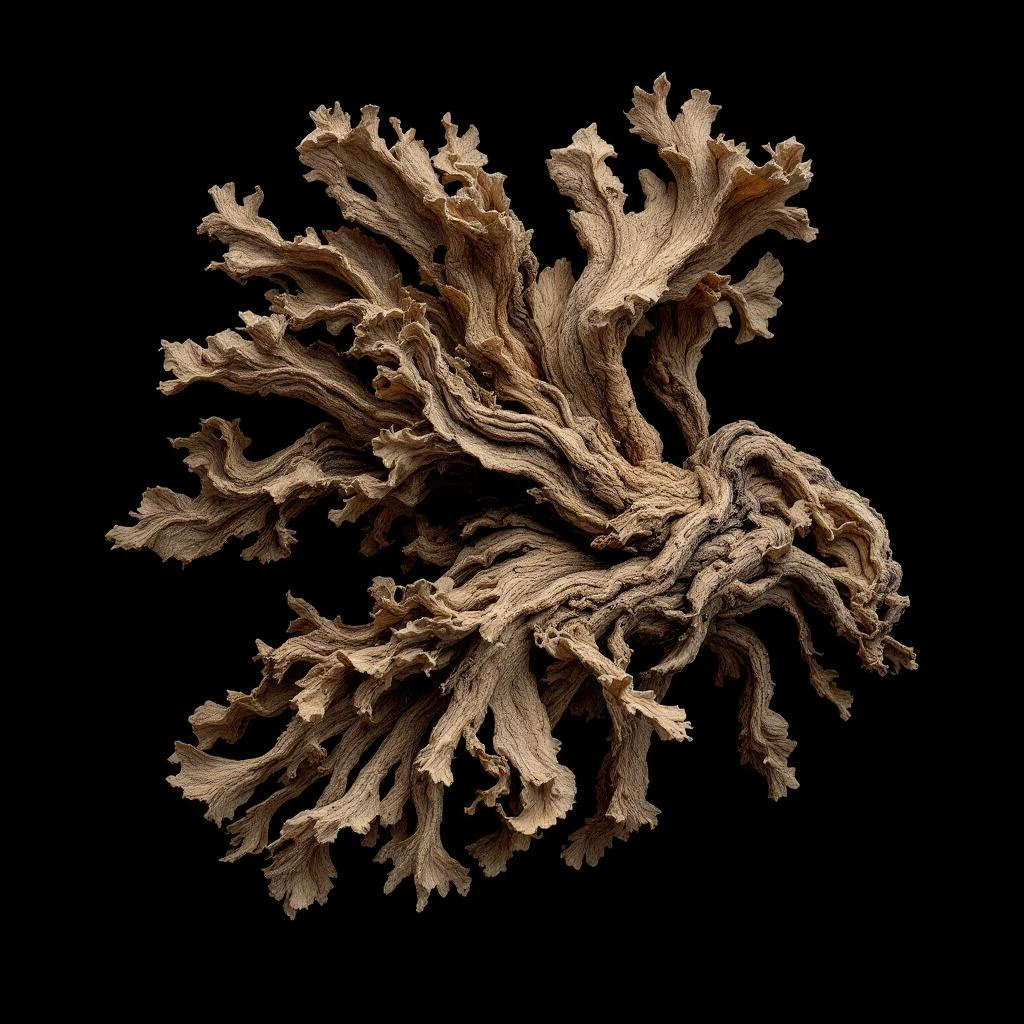
Character
How it smells
The forbidden note that defines heritage fragrances.
Costus root was so highly prized in ancient India that it became one of the sacred aromatics listed in Vedic texts alongside guggulu.









Origin
India
Costus root holds a position of profound historical significance in the world of aromatics. References to costus appear in the ancient texts of India, where the aromatics of the Vedas listed it among sacred ingredients sourced from the mountainous regions of what is now Kashmir.
From South Asia, costus traveled along ancient trade routes to Egypt and the Mediterranean world. Egyptians, masters of fragrance preservation who discovered how to store aromatic materials in fats to create wearable balms and oils, would have encountered costus as a precious imported material.
The ingredient continued to appear in perfumery traditions throughout the Middle Ages and into the modern era, becoming a signature element in certain legendary formulations. Its presence in the grand perfumery houses of 20th-century Europe cemented its reputation as a marker of true luxury and olfactory sophistication.
Wears it best
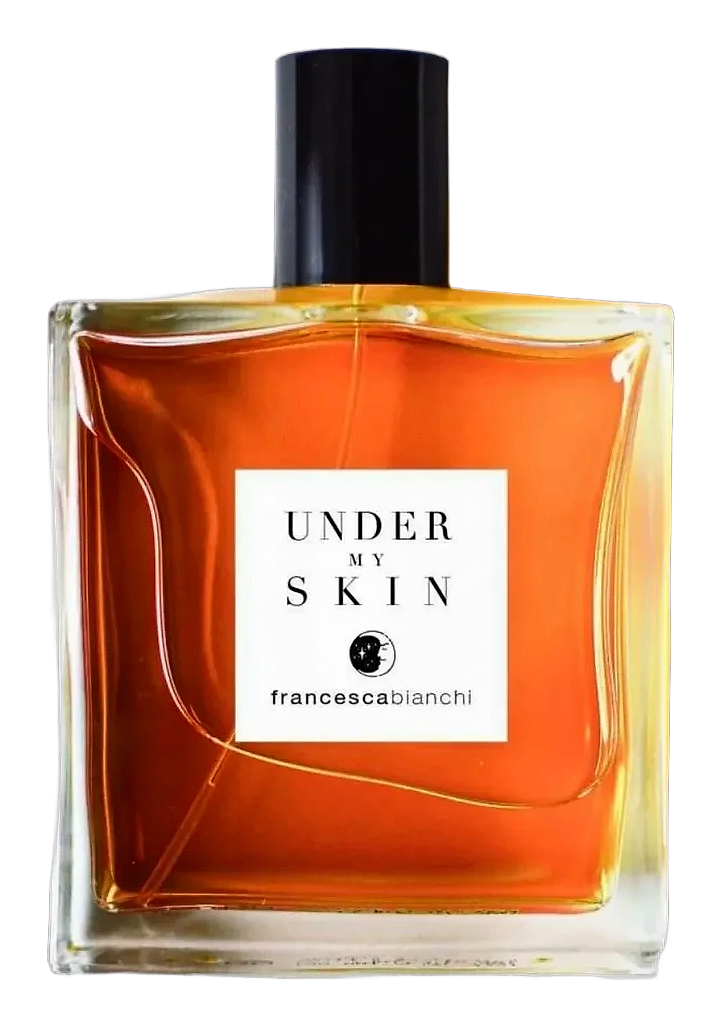
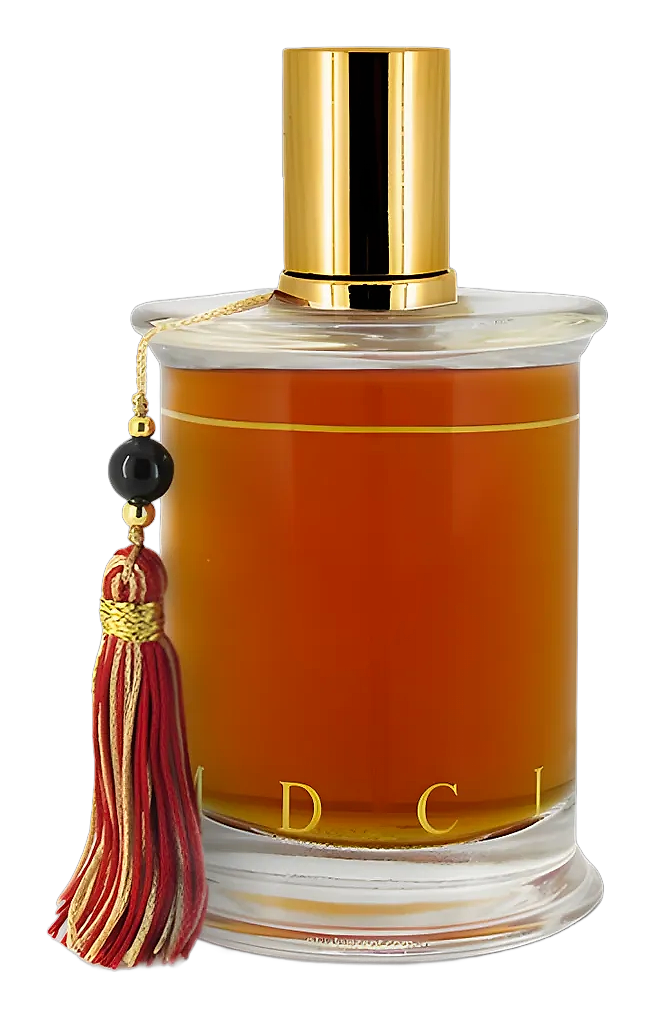
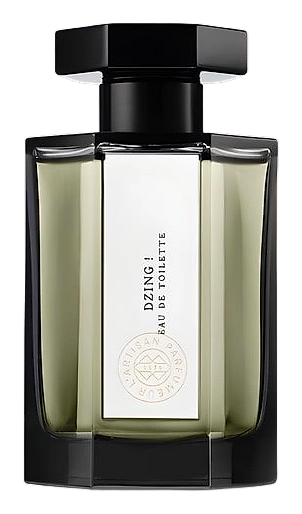
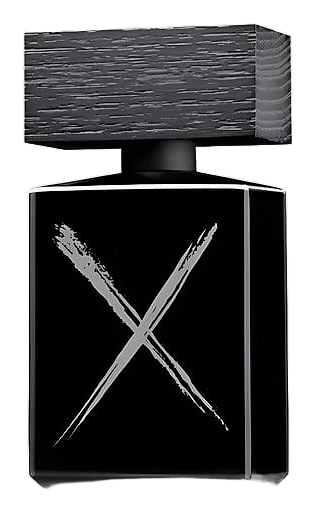
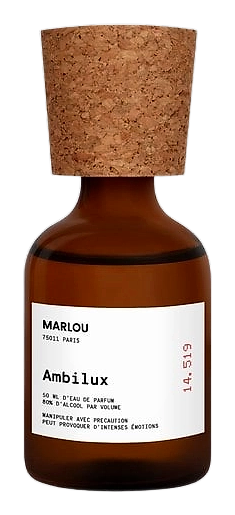
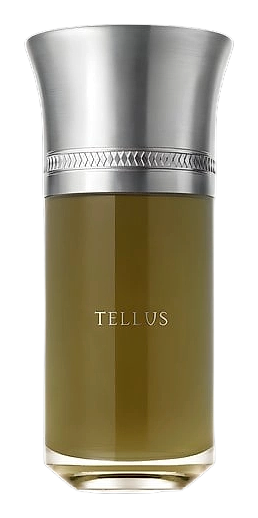
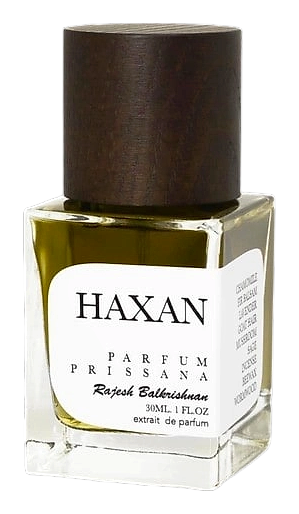
Fragrances featuring Costus




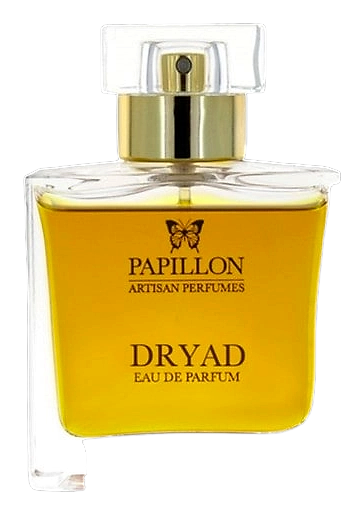
Brands
Brands known for Costus
Good to know
Questions, answered
The essentials on Costus in perfumery: how it smells, where it comes from, and how it behaves on skin.
What does costus smell like?
Costus root has a distinctive animalic aroma often described as reminiscent of fine wool or old leather, with a slightly bitter, urinous quality that becomes softer and more refined when diluted.
Is costus used in modern fragrances?
True natural costus is rarely used due to IFRA restrictions based on allergenic compounds. It appears mostly in minute amounts in classic formulations and vintage-inspired fragrances.
Why is costus controversial in perfumery?
Costus contains costuslactone, a compound that can cause skin sensitization. IFRA has restricted its use, making naturally derived costus oil nearly unavailable for contemporary perfumery.
What fragrances historically featured costus?
Classic fragrances like Amouage Epic Woman, Jean Patou Joy, and various vintage oriental formulations prominently featured costus as a signature base note ingredient.
Where does costus root grow?
The finest costus grows in the subalpine valleys of Kashmir, India, where extreme altitude conditions produce the characteristic animalic intensity the material is prized for.
Is costus sustainable to harvest?
Saussurea costus faces conservation concerns and appears on CITES restricted lists. Sustainable sourcing and synthetic alternatives have become priorities for the industry.
Are there synthetic alternatives to costus?
Several aroma chemicals attempt to replicate costus-like effects, including costus absolute substitutes and synthetic molecules that capture the animalic wool-like quality.
How does costus perform as a fragrance ingredient?
Costus provides exceptional fixative properties, anchoring lighter top notes and adding remarkable depth and longevity to fragrance compositions, particularly in oriental bases.



