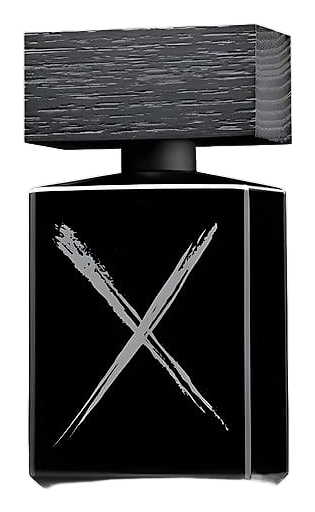

The Story
Why it exists.
The beginning
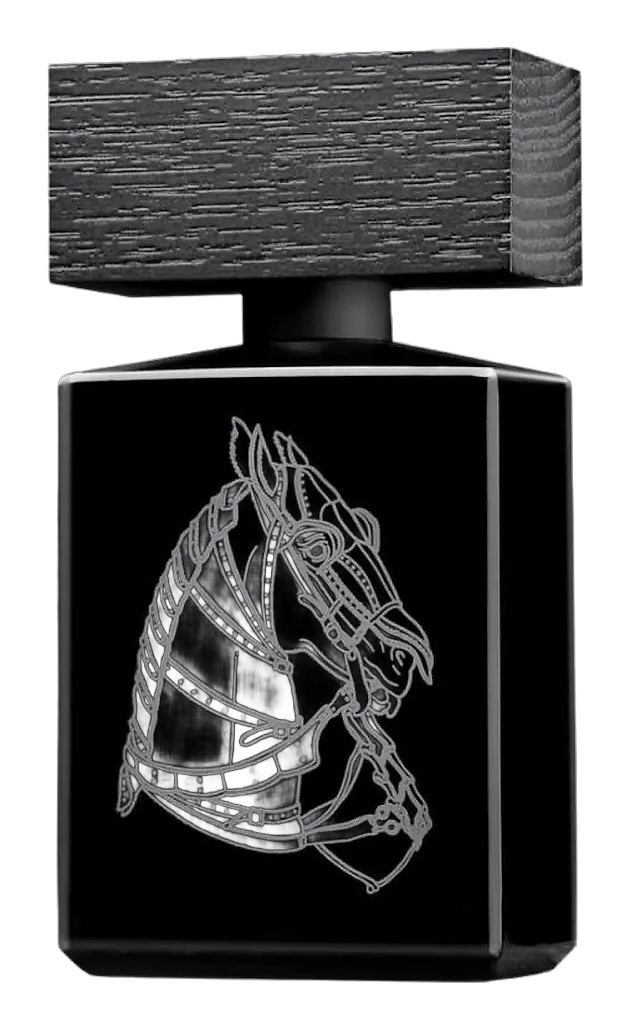
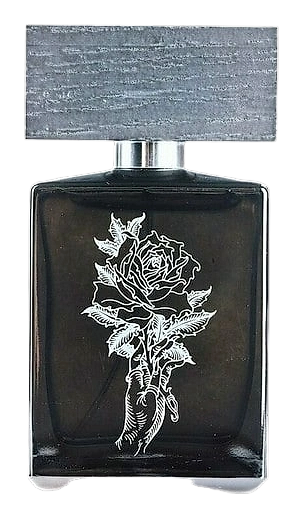
Rake & Ruin takes its name from the vocabulary of 18th-century London, a rake being a man of leisure and ill-repute, ruin being the inevitable destination. The concept draws from William Hogarth's satirical engravings, which chronicled the city's gilded excess and the moral collapses that followed. BeauFort London approached Julie Dunkley with a simple brief: gin, woods, musks, and the smell of a city that never slept without consequence.
What makes this work is the honesty. Gin as a top note isn't metaphorical, it smells like juniper and alcohol, sharp and immediate. The smoke that follows isn't soft or cozy; it's the smoke of something that burned, not something being warmed. Costus and castoreum bring an animal warmth that feels earned rather than tacked on, like the fragrance knows exactly what it is and isn't apologizing for it. This isn't a polite smoky fragrance. It's a rude one, and that's the point.
The evolution
The opening hits like cold air, gin and angelica, juniper and Sichuan pepper, a bright sharp shock that doesn't linger. Within minutes the smoke arrives, not as a note but as a presence, settling over everything like a fog. The heart introduces cypress and pine needles, green and dark at once, while castoreum adds a warmth that reads as skin rather than animal. By hour three the drydown has settled into wood and musk, smoke still present but softer, closer, the kind that stays on skin overnight. On fabric it lingers for days, faint but unmistakable, the ghost of something that was once louder. This is a fragrance for people who know what they want and aren't afraid to want it.
Cultural impact
Rake & Ruin occupies a specific space in the niche smoke conversation, it isn't soft or polite, and that divides people. Some find the gin opening too medicinal, the smoke too insistent; others find exactly what they wanted in a category full of gentler options. The Hogarth inspiration gives it cultural depth that most smoky fragrances lack, positioning it as a fragrance for people who want the story alongside the scent. It stands apart from the Scandinavian clean-smoke trend and the heritage-house smoky florals, owning its British decadence without apology.
The House
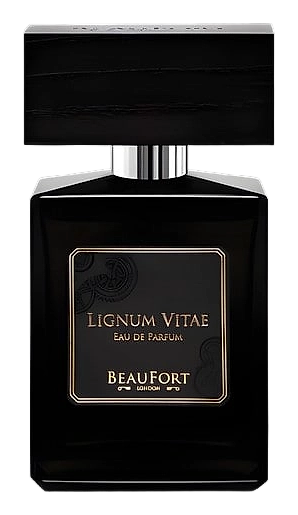
BeauFort LondonBeauFort London is a fiercely independent British perfume house that builds narrative‑driven, deep‑niche fragrances. Each scent leans on unusual or even bizarre ingredients, turning the bottle into a story rather than a simple aroma. The brand’s catalogue reads like a chronicle of British history, from the maritime grit of Iron Duke (2017) to the haunting grandeur of Terror & Magnificence (2019). Founded by musician‑writer Leo Crabtree, BeauFort operates out of a modest studio on Valencia Street, where the scent‑lab feels more like an artist’s workshop than a commercial factory. The house has earned a reputation among collectors for daring compositions that challenge conventional perfume structures while remaining unmistakably British in spirit.
The Creator
Julie DunkleyJouissance La Bague d'O, one of the handful of commercially confirmed creations tied to her name, offers a window into her range. The fragrance pairs metallic notes with orange and pink pepper in the opening, anchored by a floral heart of rose, geranium, and jasmine.