The Story
Why it exists.
The beginning
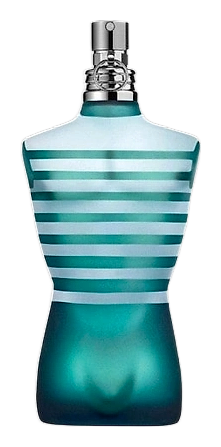
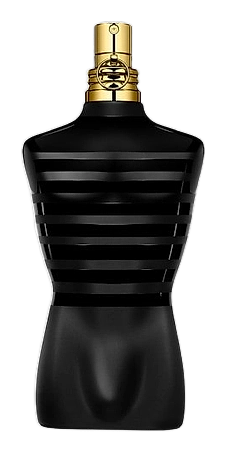
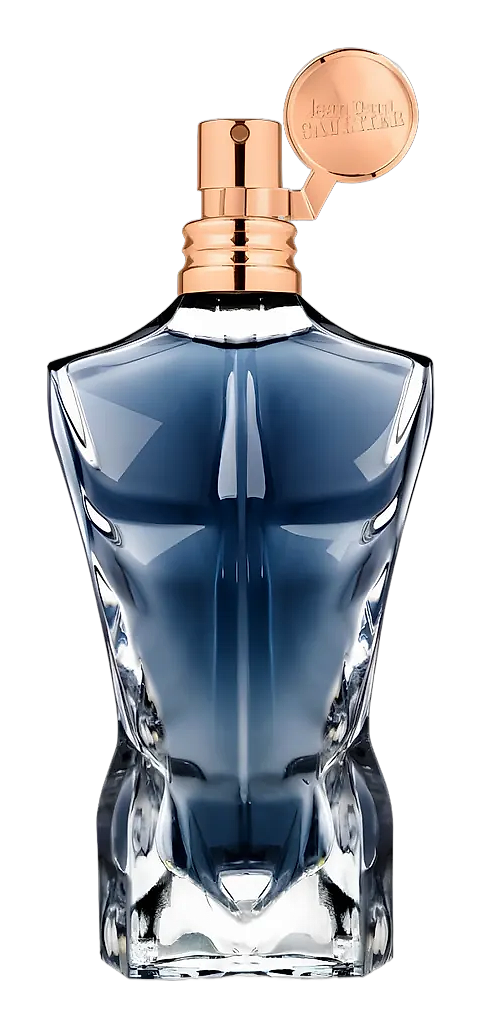
Jean Paul Gaultier built a fashion house on provocation, gender-fluid design, body-positive imagery, and a refusal to be polite. The iconic torso bottles for Le Male and Classique turned fragrance into sculpture. Since Puig acquired the brand in 2016, the fragrance division has operated under new stewardship. Quentin Bisch approached Le Male the way a sculptor approaches clay, working with the same foundation but seeking more depth.
The note progression from spicy opening through leather heart to sweet drydown reflects a philosophy of contrast. Cardamom and bergamot provide immediate appeal while Georgywood adds intellectual interest. Leather and osmanthus create the olfactory centerpiece that justifies the Parfum concentration. Tonka bean and vanilla ensure the wear remains intimate rather than broadcast, appropriate for a fragrance positioned as an elevated expression of the original.
The evolution
The fragrance opens with cardamom and bergamot, an aromatic-citrus combination that immediately signals intent. Georgywood adds an unusual woody quality that separates this from typical fougere openings. The heart introduces leather and osmanthus, a pairing that brings both texture and subtle sweetness. The drydown of tonka bean and vanilla creates a warm, almost edible finish that softens everything that came before.
Cultural impact
Le Male Essence de Parfum occupies a specific corner of the designer fragrance world: warm, spicy, animalic, and proud of it. It appeals to wearers who want something that projects confidence without apology. The costus note is its defining controversy, loved for its animalic depth, polarizing for its rawness. In a market where most flankers play it safe, this one didn't.