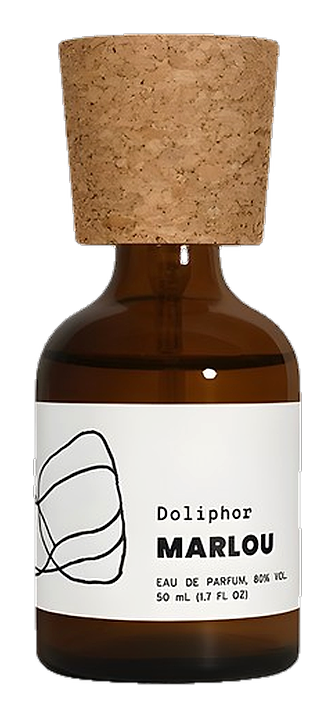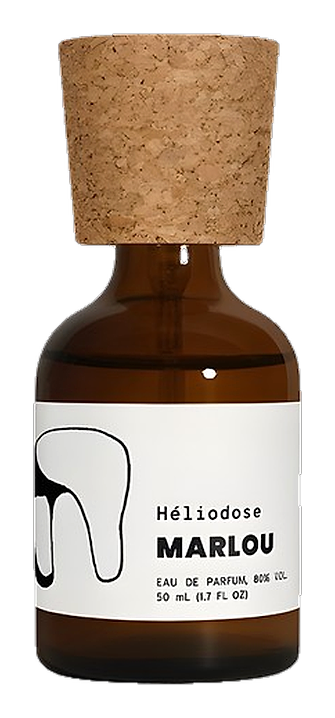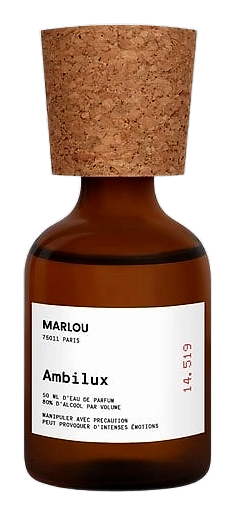

The Story
Why it exists.
The beginning
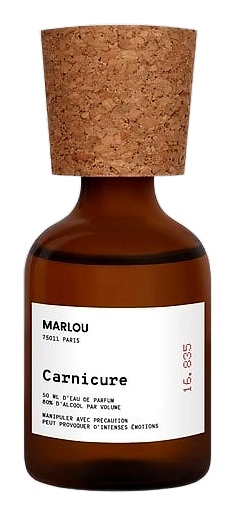
Ambilux arrived in 2017, a follow-up to Marlou's debut L'animal Sauvage. Where that first fragrance worked with musk and civet, Ambilux pivoted to costus and castoreum, a different kind of animalic honesty. Perfumer Alexandra Monet built a composition that refuses prettiness, instead taking the body-at-heat as its subject. The 50 ml name (later dropped for Ambilux) announced the ambition: ambiguity as intentional design. Salt and chalk instead of florals. Physical warmth instead of projection.
What makes Ambilux interesting is what it doesn't do. No sweetness at the top. No easy floral bridge. Instead, cumin and pink pepper establish heat and spice, then cede completely to incense and ylang-ylang, warm, resinous, intimate. The real structure lives in the base: costus (often softened or hidden in mainstream perfumery) given real presence alongside castoreum's dark animalic signature. Immortelle threads through like honeyed hay, a final reminder that this is earth, not fantasy. The composition dares you to meet it.
The evolution
Ambilux opens with purpose. Cumin's animalic warmth hits first, not aggressive, but immediate. Pink pepper follows, adding brightness without softening the edge. This phase lasts maybe an hour before the incense kicks in, turning the composition smoky and resinous. The ylang-ylang arrives quietly, threading its yellow floral through the smoke. Intimate warmth builds. Three hours in, the florals fade and costus-castoreum take over completely. The animalic doesn't disappear, it settles, integrates, becomes close and warm and yours. Immortelle adds a honeyed, hay-like facet that lingers another few hours. Eight to ten hours later, you're catching traces of it on your wrist. The sillage is moderate for the first two hours, then intimate and close for the rest. That's when Ambilux becomes its most honest self.
Cultural impact
Among niche fragrance circles, Ambilux has earned a reputation as a fragrance that asks something of the wearer. It's not trying to please everyone. That quality, the frank animalic character, the costus presence, attracts those specifically seeking this level of olfactory honesty. Marlou's deliberate smallness and refusal to follow seasonal release cycles reinforce the sense that each fragrance is a full commitment, not a product line extension.
The House
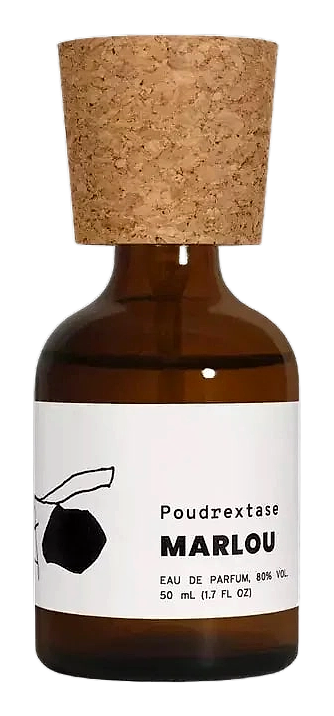
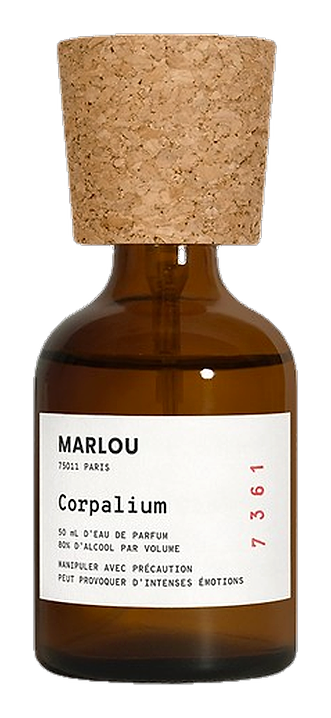
MarlouMarlou is a Paris-based niche fragrance house founded in 2016 by a creator operating under the pseudonym Odeurs Du Corps. The house emerged with a single guiding conviction: that perfumery should address the body in its full, unfiltered reality, including its shadows and imperfections. Rather than masking or perfuming over the human form, Marlou constructs scents that acknowledge and intertwine with corporeal existence. The house maintains a deliberately restrained catalog, releasing fragrances at its own pace rather than following seasonal industry cycles. Each composition explores different dimensions of bodily experience, from the intensely animalic to the quietly meditative. Marlou has garnered a devoted following among collectors who prize its uncompromising vision and its refusal to soften the human condition into something more palatable.
The Creator
Alexandra MonetHer technique leans on a structured layering of top, heart, and base notes, yet she often subverts expectations by introducing a single, unexpected accord that shifts the fragrance’s direction. Alexandra favors natural extracts—bergamot, neroli, and Tuscan lavender—paired with…