The Heritage
The Story of Marlou
Marlou is a Paris-based niche fragrance house founded in 2016 by a creator operating under the pseudonym Odeurs Du Corps. The house emerged with a single guiding conviction: that perfumery should address the body in its full, unfiltered reality, including its shadows and imperfections. Rather than masking or perfuming over the human form, Marlou constructs scents that acknowledge and intertwine with corporeal existence. The house maintains a deliberately restrained catalog, releasing fragrances at its own pace rather than following seasonal industry cycles. Each composition explores different dimensions of bodily experience, from the intensely animalic to the quietly meditative. Marlou has garnered a devoted following among collectors who prize its uncompromising vision and its refusal to soften the human condition into something more palatable.
Heritage
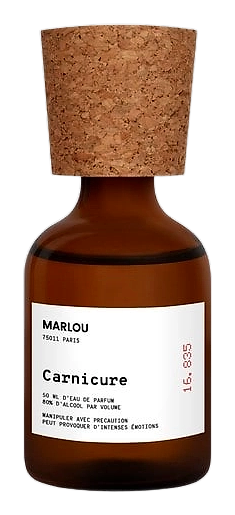
The house of Marlou materialized in 2016 with the launch of L'animal sauvage, a fragrance that announced the brand's arrival with striking directness. The creator, operating under the name Odeurs Du Corps, established the house in Paris with an explicit philosophical mandate: to create perfumes that allow the body to occupy its rightful place in society without pretense or concealment. This foundational concept informed every subsequent release, from the tactile ambition of Carnicure in 2016 to the mineral weight of Corpalium in 2022. The house has never pursued aggressive expansion or marketing campaigns, instead allowing fragrance communities and independent reviewers to carry word of its work. This organic dissemination brought Marlou to the attention of specialist retailers like Fumerie Parfumerie, which has included the house in its curated offerings. The brand's French identity is central to its character, drawing from a tradition where perfumery and bodily care have long been intertwined rather than treated as separate domains. Unlike houses that construct elaborate founding mythologies, Marlou's story remains deliberately minimal, with the perfumes themselves serving as the primary statement of intent.
Craftsmanship
Marlou operates outside the industrial fragrance production model, crafting its perfumes through methods suited to a house of deliberate smallness. Each fragrance emerges from a process prioritizing specificity over scalability, with compositions that explore materials other houses might consider too challenging or too honest for commercial fragrance. The house draws on classical perfumery materials while pursuing combinations that would be unusual in mainstream production, including prominent use of animalic notes that ground the scents in physical reality. Sourcing for Marlou's materials follows the niche practice of prioritizing quality and character over cost efficiency, though the house has not publicly detailed specific supplier relationships. The limited release schedule reflects a philosophy that perfumes should be ready before they are released, rather than conforming to market calendars. Each fragrance represents a complete artistic vision rather than a product developed through focus groups or trend analysis, giving the catalog a cohesive quality despite its varied subject matter.
Design Language
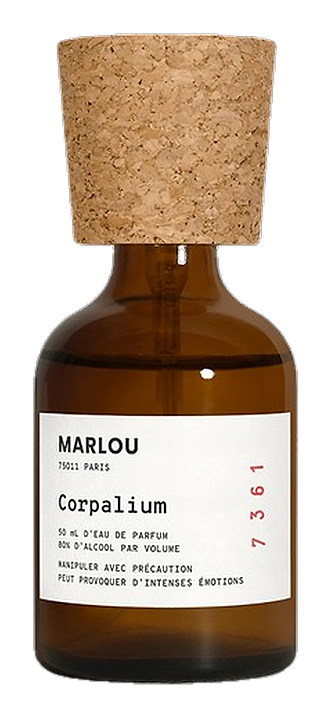
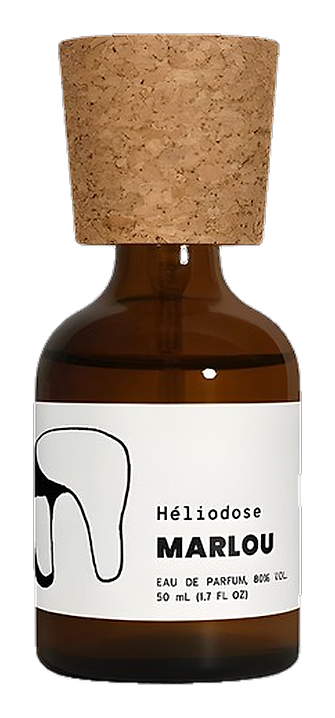
The visual identity of Marlou reflects the house's philosophical commitments through restraint and intentionality. The packaging presents a minimal aesthetic that signals confidence without needing elaboration, using typography and design that suggest neither luxury nor clinical sterility but rather the quiet assurance of something made for a specific purpose. There is no attempt to make the bottles themselves speak louder than the perfumes they contain, a choice that distinguishes Marlou from houses that treat the vessel as advertisement. The brand's presence online and in the small number of retailers that carry it maintains this same low-key coherence, presenting information without the hyperbolic language common to fragrance marketing. This aesthetic restraint functions as another expression of the house's values: that the thing itself, properly made, requires less embellishment than the industry typically assumes.
Philosophy
The philosophy driving Marlou rests on a radical premise: that the body, with all its textures and secretions, deserves olfactory acknowledgment rather than concealment. Odeurs Du Corps articulated this position by stating that creating Marlou meant ensuring the body could take its place in society from an olfactory perspective, which inherently requires accepting and owning one's faults. This is not nihilism but a form of honesty that the fragrance world rarely embraces so directly. Most perfume houses construct fantasies of purity, refinement, or transcendence. Marlou instead addresses the body as it exists, acknowledging sweat, skin, breath, and the quiet realities that cosmetics traditionally try to erase. The house rejects the notion that fragrance should lift the wearer into some elevated state, preferring instead to ground scent in physical presence. This approach does not preclude beauty, but it insists that beauty need not pretend the body does not exist. The fragrances thus function as companions to embodied experience rather than escapes from it.
Key Milestones
2016
Marlou founded in Paris by Odeurs Du Corps, with L'animal sauvage as the inaugural fragrance alongside Carnicure
2017
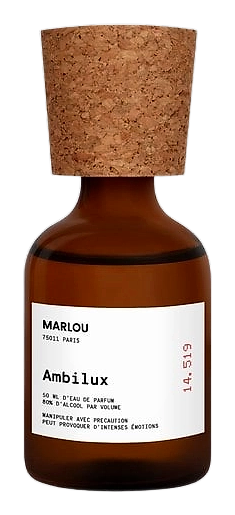
Ambilux released, expanding the house's exploration of bodily presence into new olfactory territory
2019
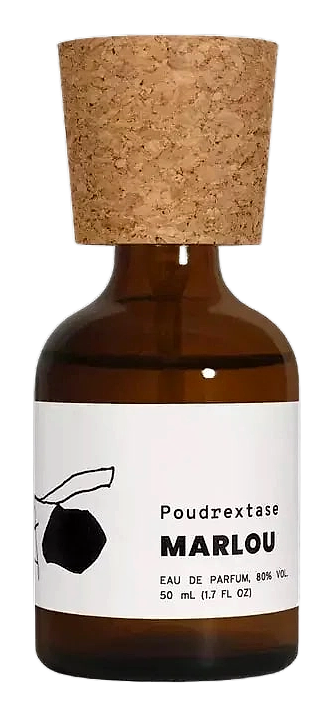
Poudrextase launched, representing a shift toward powdery textures and skin-focused composition
2022
Corpalium introduced, marking a mineral and weighty direction in the house's evolution
2025
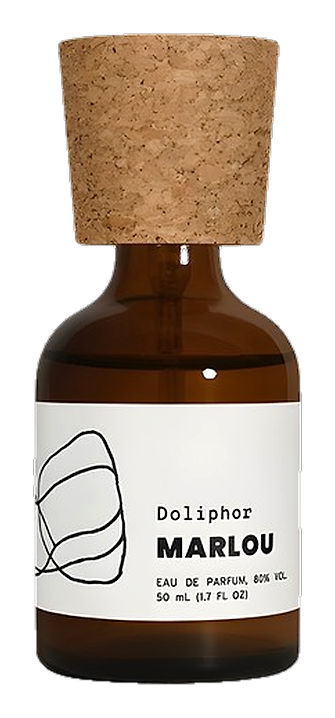
Doliphor and Heliodose released, continuing the house's slow but consistent expansion
At a Glance
Brand profile snapshot
Origin
France
Founded
2016
Heritage
10
Years active
Collection
1
Fragrances released
Avg Rating
4.0
Community sentiment
Release Rhythm


