Datura
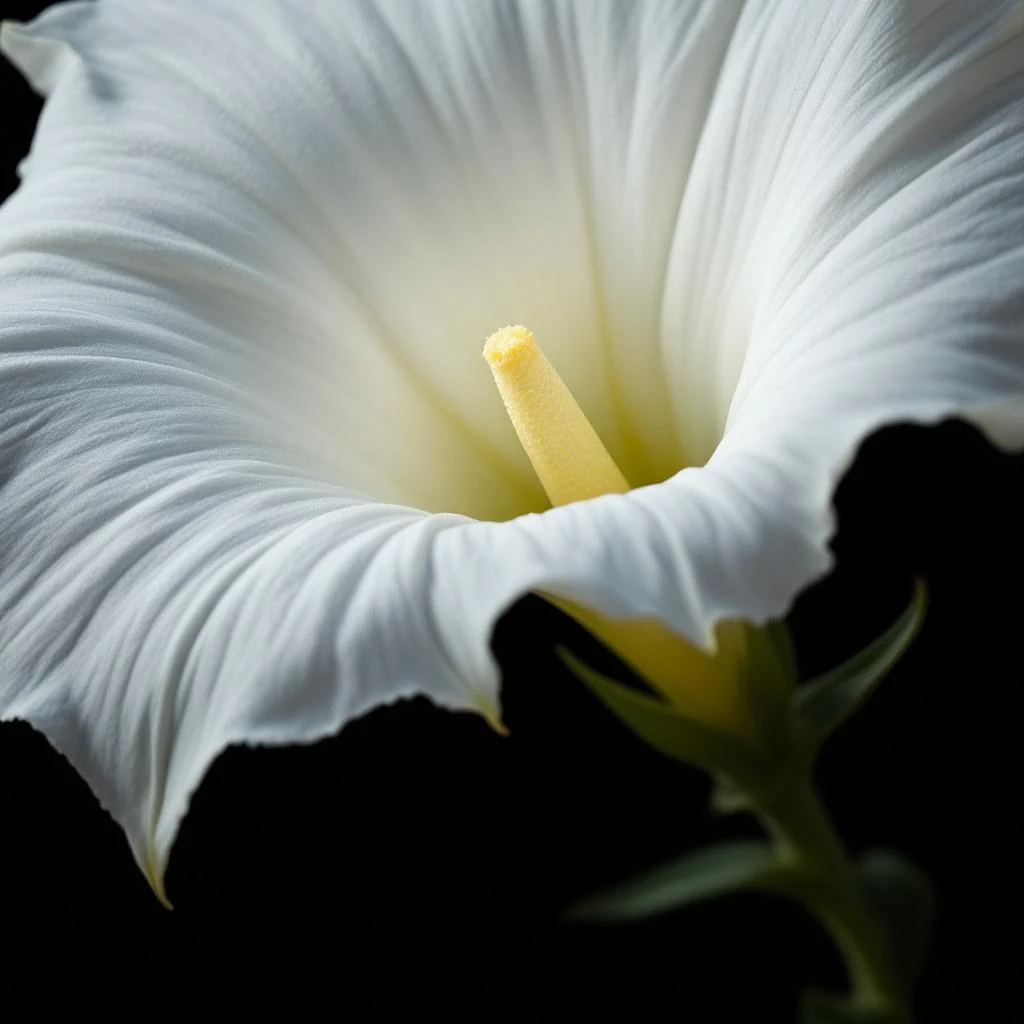
Datura delivers a hypnotic, nocturnal floral experience in perfumery. This controversial bloom is recreated primarily as a synthetic accord capturing its sweet, creamy, slightly animalic character. When used, it functions as a powerful base note that lends depth, warmth, and an air of mystery to oriental and floral compositions.
Character
How it smells
Night-blooming allure, captured in a bottle.
Datura flowers open at dusk and release their fragrance after dark, a strategy evolved to attract nighttime pollinators like moths.








Origin
Mexico
Datura holds a storied place in the ritual and medicinal traditions of Mesoamerican cultures, where it was considered a sacred plant with powerful spiritual properties. Pre-Columbian shamans used it in ceremonies to induce altered states of consciousness.
The plant's journey through trade routes brought it to India and Asia, where it was similarly valued in Ayurvedic and traditional medicine systems for its analgesic and antispasmodic applications. In perfumery, Datura emerged as a noted ingredient during the late 20th century as fragrance houses began exploring richer, more opulent oriental compositions.
The note gained particular prominence in the early 2000s as part of a broader fascination with intoxicating, heady florals. Today, Datura remains a marker of niche and luxury perfumery, prized for its ability to evoke mystery and sensuality.
Wears it best
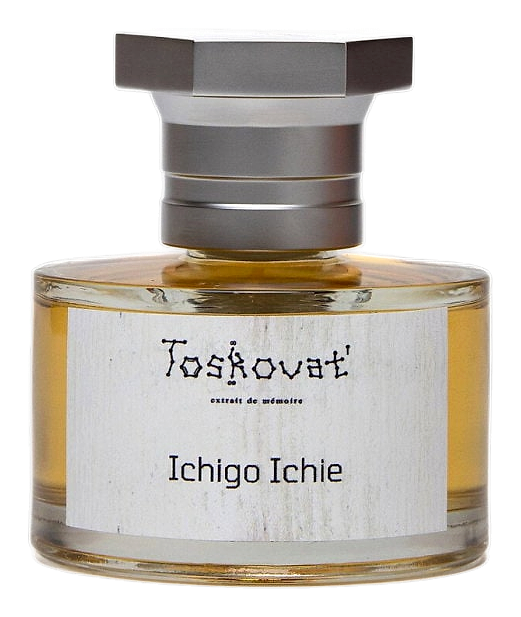
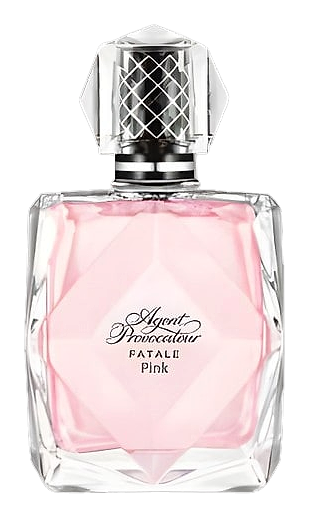
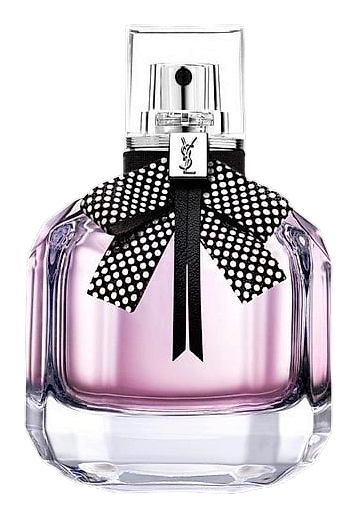
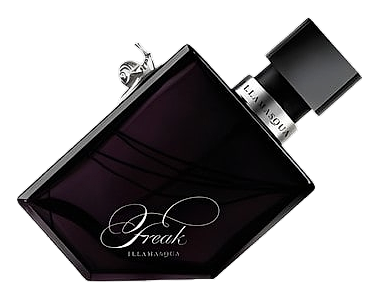
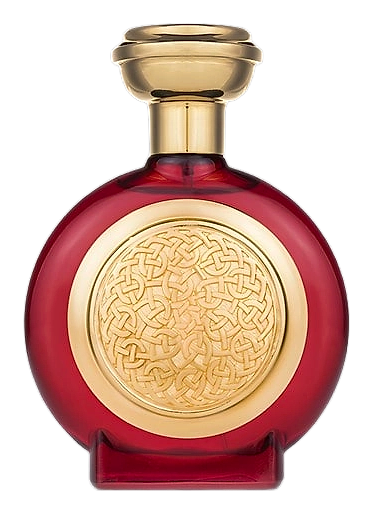
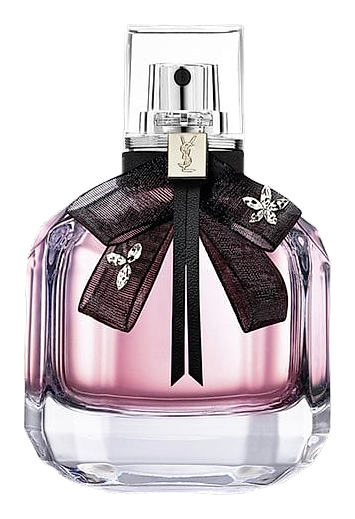
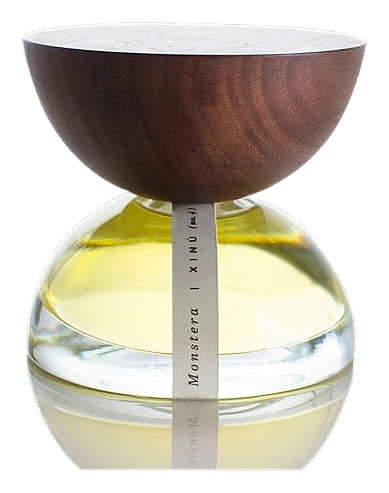
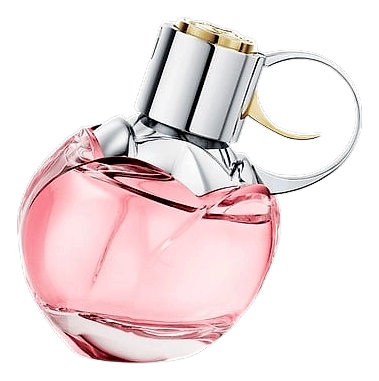
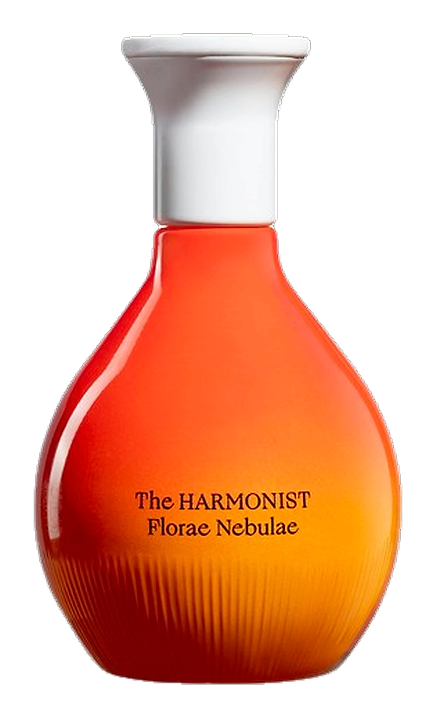
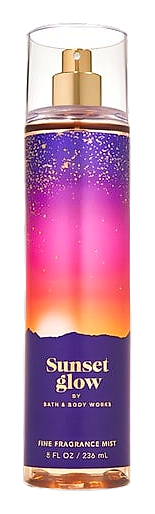
Fragrances featuring Datura


Brands
Brands known for Datura
Good to know
Questions, answered
The essentials on Datura in perfumery: how it smells, where it comes from, and how it behaves on skin.
What does Datura smell like in perfume?
Datura in perfume smells sweet, creamy, and slightly animalic with an intoxicating, almost narcotic quality. It presents as a rich white floral with notes of jasmine and tuberose, underscored by a musky depth. The overall impression is of a night-blooming garden in full bloom.
Why is Datura used in perfumery?
Datura is used for its unique ability to create an aura of mystery and sensuality. It provides rich, lingering depth as a base note and helps bridge floral and oriental elements in a composition. Approximately 70% of fragrances featuring Datura are classified as oriental or amber fragrances.
Is Datura in perfume natural or synthetic?
Natural Datura absolute is extremely rare due to the flower's toxicity and very low yield during extraction. Most perfumers use synthetic recreations that capture the sweet, creamy, slightly animalic character of the bloom. These accords allow consistent use of the note without the safety concerns of handling natural Datura.
What famous perfumes contain Datura?
Several notable fragrances feature Datura as a key component: Satin Mood by Serge Lutens, Baccarat Rouge 480 by Maison Francis Kurkdjian, and By the Fireplace by Kilian. Fraterworks Datura, created by Master Perfumer Bertrand Duchaufour, is considered a landmark reference for the note.
Is Datura a top note, heart note, or base note?
Datura functions primarily as a base note in perfumery. It provides lasting depth and sillage rather than contributing to the initial impression. The molecule's molecular weight and vapor pressure place it firmly in the base note category, where it can develop fully over several hours.
What notes pair well with Datura in perfume?
Datura pairs excellently with other white florals like jasmine, tuberose, and frangipani. Warm oriental companions include amber, vanilla, benzoin, and labdanum. For contrast, some perfumers combine it with smoky or leathery notes. White musks help amplify its creamy, skin-like quality.
How is Datura extracted?
Natural Datura is extracted via solvent extraction to produce an absolute, though yields are minimal per kilogram of flowers. Enfleurage, using fat to absorb aromatic compounds, was historically used for night-blooming flowers. In modern perfumery, synthetic Datura accords are more common, composed of molecules that replicate the natural flower's olfactory profile.
Is Datura used in men's or women's fragrances?
Datura appears in fragrances marketed to all genders. Its rich, warm character makes it versatile across scent profiles, from feminine florals to unisex orientals to masculine leather and tobacco compositions. The note adapts to its companion ingredients rather than signaling a specific gender category.