Cherry Blossom
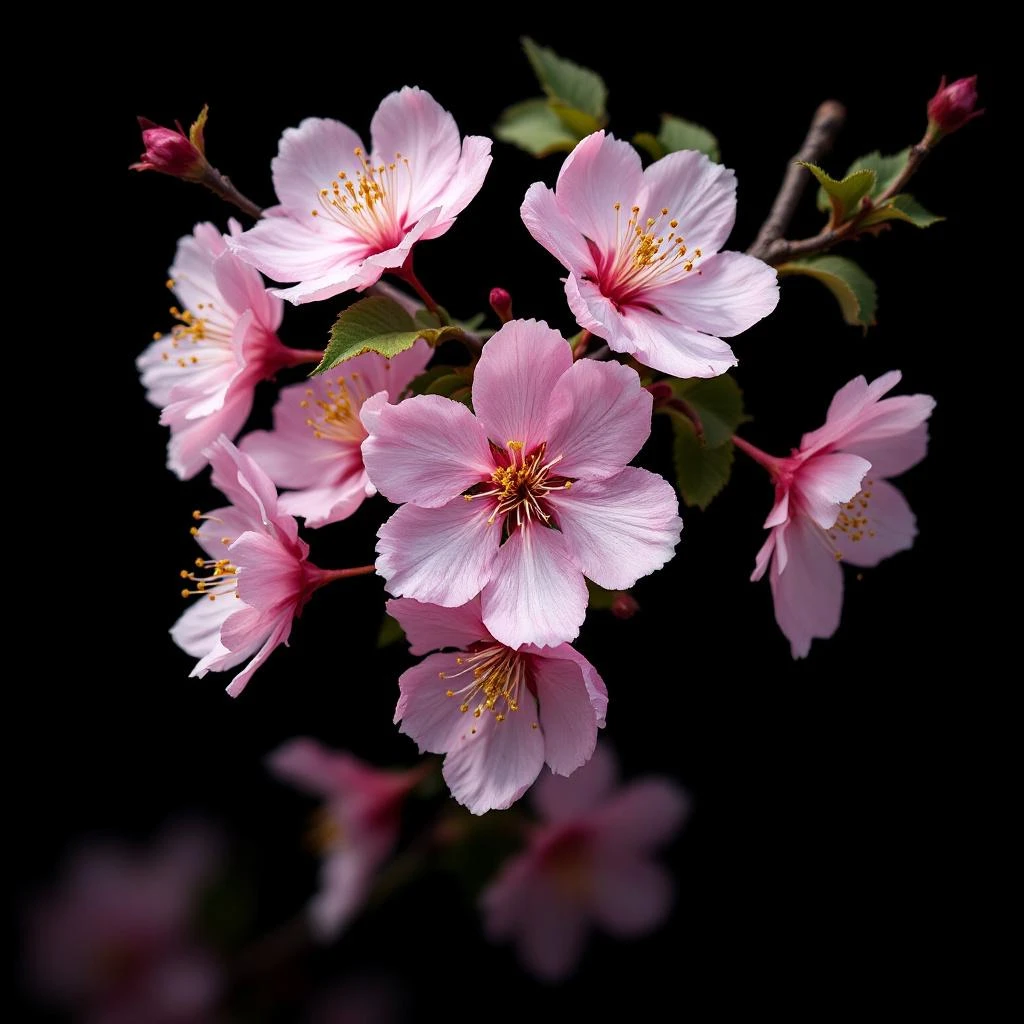
Cherry blossom, known as sakura, carries a delicate, slightly sweet floral note with soft almond and green nuances. Its fleeting two-week bloom has shaped Japanese culture for centuries and inspired perfumers seeking lightness and transience.
Character
How it smells
A whisper of spring captured in glass.
Sakura trees bloom for only one to two weeks each year, making their scent one of the rarest and most ephemeral in nature.







Origin
Japan
Cherry blossom carries deep cultural weight in Japan, where hanami, the tradition of flower viewing, dates back over a thousand years. The flowers became symbols of impermanence and renewal, celebrated in poetry, painting, and ceremony.
Women of ancient Japan incorporated sakura petals into skincare and hair treatments long before modern science identified their antioxidant compounds. In Western perfumery, cherry blossom emerged as a recognized note in the late twentieth century, coinciding with increased interest in light, transparent florals that contrasted with heavier classical compositions.
Today, sakura-themed releases appear seasonally across global markets, often tied to spring launches. The note carries associations with freshness, youthfulness, and quiet sophistication, reflecting both its botanical delicacy and its centuries-old cultural resonance.
Wears it best
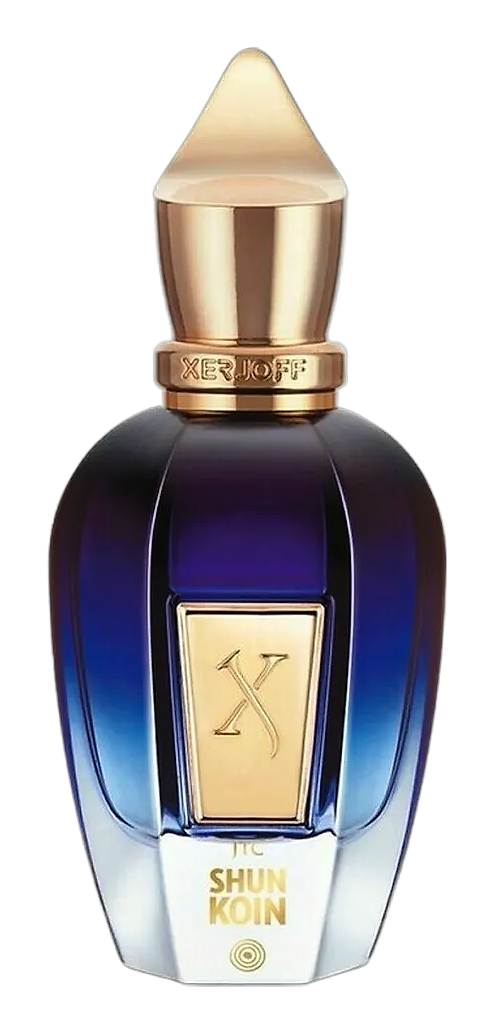
Fragrances featuring Cherry Blossom
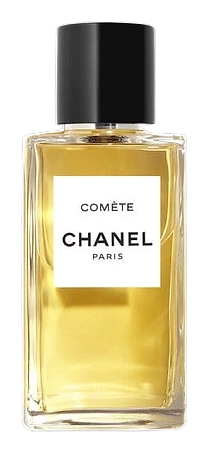
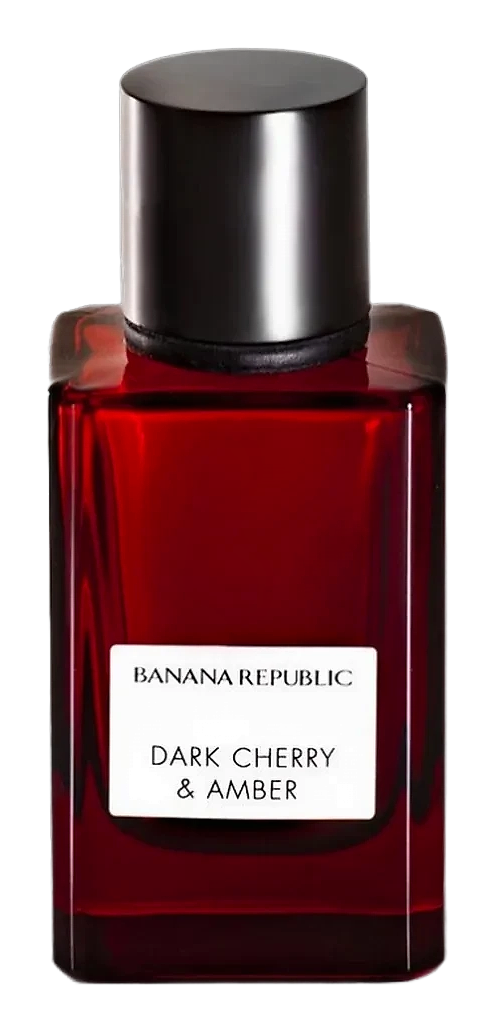
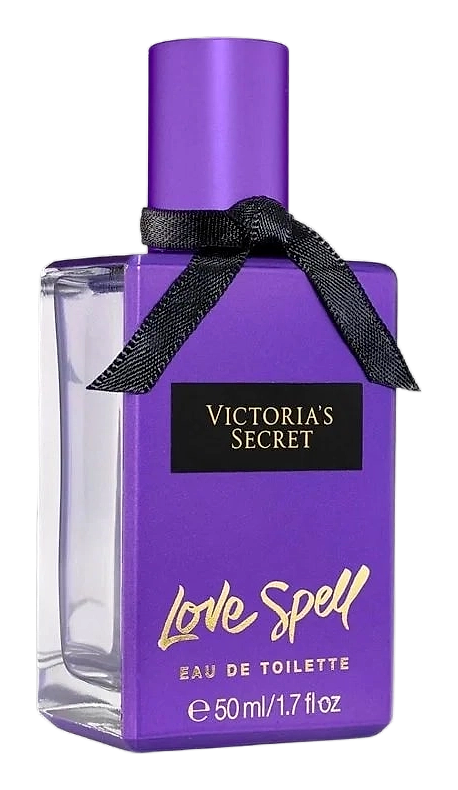

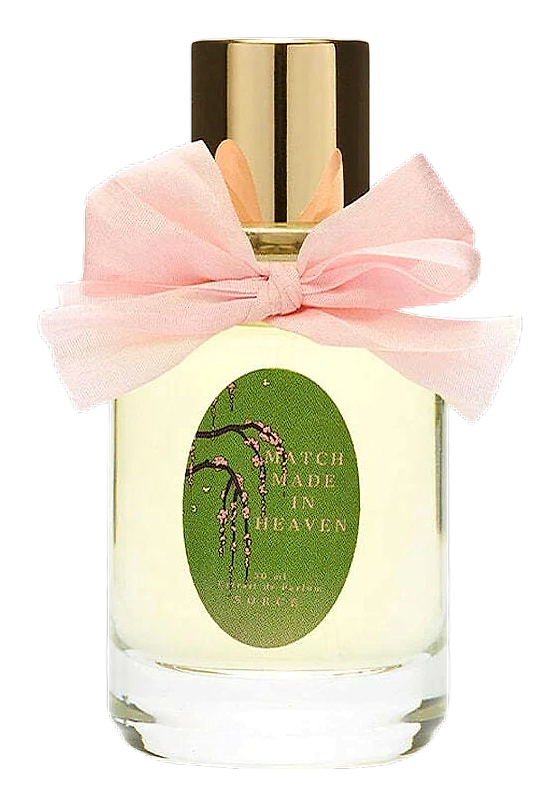
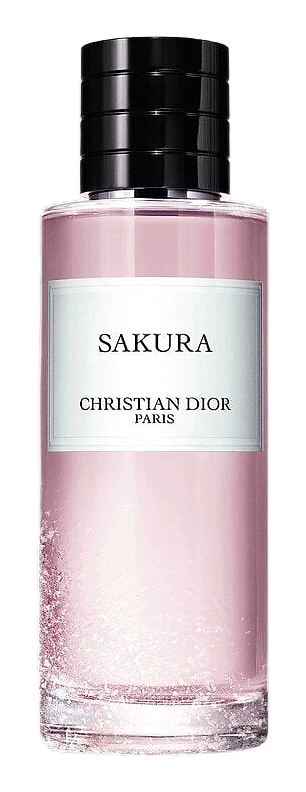

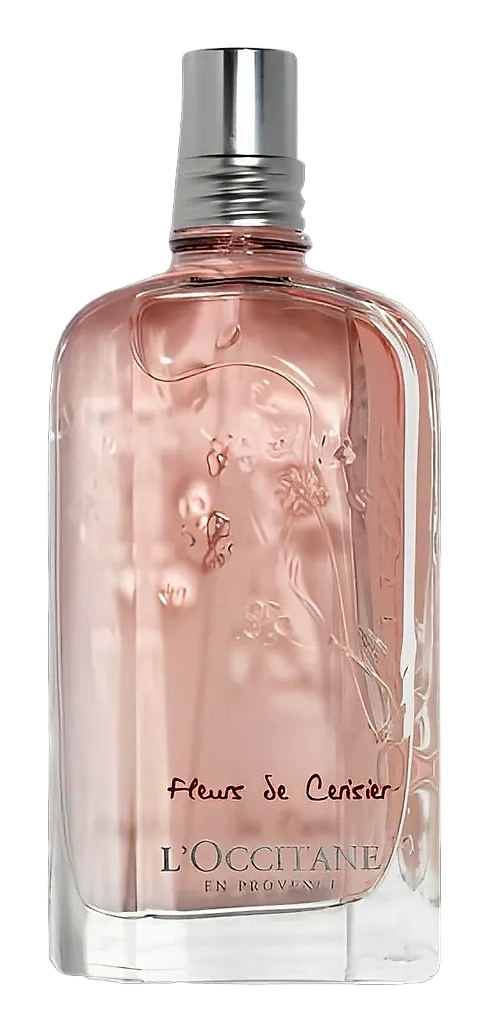
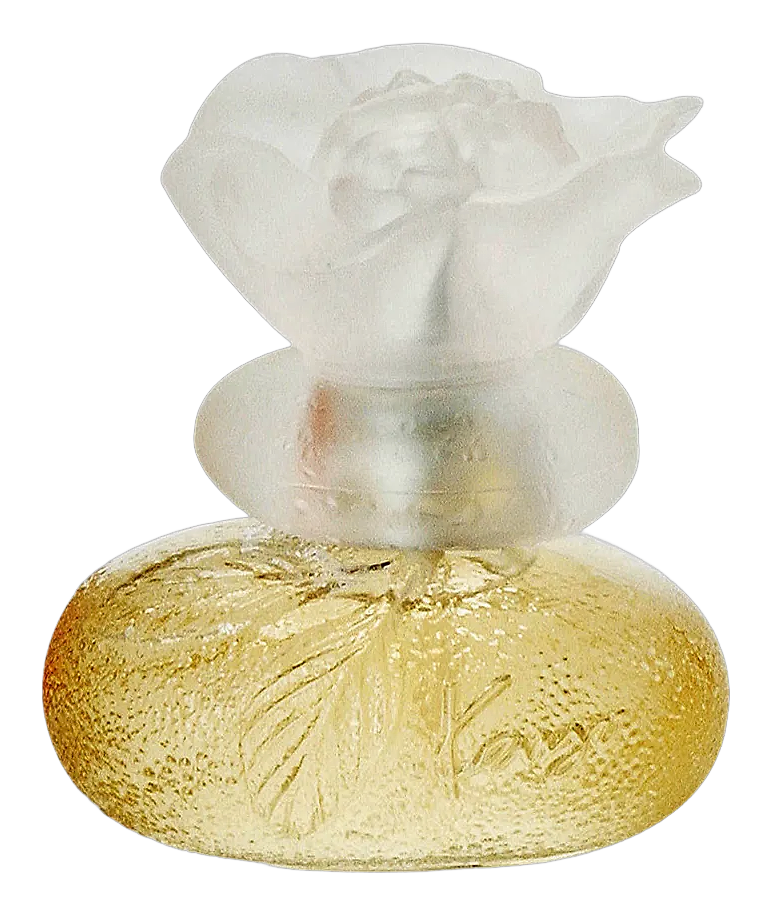
Brands
Brands known for Cherry Blossom
Good to know
Questions, answered
The essentials on Cherry Blossom in perfumery: how it smells, where it comes from, and how it behaves on skin.
What does cherry blossom smell like in perfume?
Cherry blossom smells soft, sweet, and lightly floral with subtle almond and green undertones. It sits between fruity and powdery on the spectrum, lending a fresh, airy quality without the indolic depth of rose or jasmine.
Is cherry blossom a natural or synthetic perfume ingredient?
Most cherry blossom notes in modern perfumery are synthetic reconstructions. Natural absolute exists but is rare and expensive, so perfumers typically blend molecules like anisaldehyde and linalool to mimic the scent.
Where does cherry blossom for perfume come from?
Cherry blossom, or sakura, originates from Prunus serrulata trees native to Japan, China, and Korea. Japan remains the cultural and historical center of sakura cultivation, particularly around the Kyoto and Yoshino regions.
How long does cherry blossom bloom last each year?
Cherry blossom trees typically bloom for only one to two weeks in early spring, usually late March to mid-April in Japan. This brief window inspired the cultural concept of mono no aware, the bittersweet awareness of impermanence.
What other notes pair well with cherry blossom?
Cherry blossom pairs naturally with green tea, white musk, peony, and citrus notes like yuzu. Soft woods such as hinoki and light fruits like lychee complement its airy sweetness without overwhelming it.
Is cherry blossom the same as sakura?
Yes, cherry blossom and sakura refer to the same flower from Prunus serrulata. Sakura is the Japanese term and is most commonly used in perfumery and cultural contexts, while cherry blossom is the English equivalent.
When was cherry blossom first used in Western perfumery?
Cherry blossom appeared as a distinct perfume note in the late twentieth century, gaining popularity in the 1990s and 2000s as Western consumers developed interest in lighter, Asian-inspired florals and seasonal scent launches.
Why is natural cherry blossom extract expensive?
Natural cherry blossom absolute is costly because the flowers yield very little oil during extraction, and harvests depend on a brief annual bloom period. This scarcity, combined with delicate handling requirements, drives up production costs significantly.



