
The Story
Why it exists.
The beginning
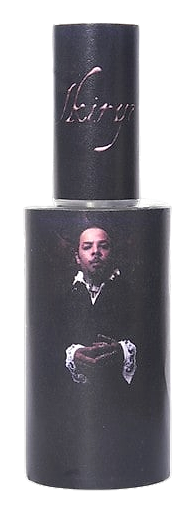
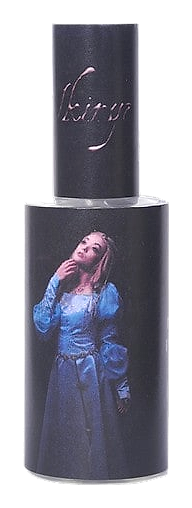
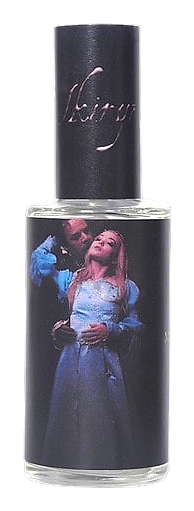
The name is deliberate. The word 'miscegenation' carries weight, it's a confession and a reclamation in one. The perfume, released on Valentine's Day 2018, is built as an olfactory act of union, a direct collision of two other Ikiryō fragrances: Desdemona (white, light, innocence) and Othello (black, dark, shadow). Where those two are separate stories, this is what happens when they become one. Dreamhouse structured the entire composition as a mirror of Shakespeare's lovers, each note pair reflects the meeting of two worlds.
The note structure is a black-and-white palette, literally. White tea and white chocolate sit across from black pepper and black spruce. White peach and white raisin meet black cherry and blackthorn. The effect isn't a wash of grey, it's a deliberate opposition that creates tension. Sweet fruit argues with dark resin. Fresh tea meets smoky oud. The white notes pull bright and immediate; the black notes pull toward earth, smoke, and something that lingers longer. What makes it work is the balance: neither side fully wins.
The evolution
The opening announces itself quickly, white peach and white tea arrive together, sweet and immediate. White chocolate and white musk soften the first thirty minutes. Then the handoff begins. By the second hour, the black notes have surfaced: black pepper's spice, blackthorn's prickle, the dark heart of oud and black amber. The white peach doesn't disappear, it becomes more insistent, almost defiant against the growing darkness. The drydown settles into resin and wood. Oud, black amber, black spruce. White musk stays closest to skin. Black cherry lingers as a final sweetness, quiet and persistent. On fabric, the oud and smoke hold for hours. On skin, the transition from bright to dark happens in a single wearing, you start in one place and end somewhere else entirely.
Cultural impact
Miscegenation is a fragrance built on a concept, literary, personal, and deliberately provocative in its name alone. The black-and-white note structure creates a visual and narrative clarity that most fragrances don't attempt. Wearers who find it tend to describe it as a fragrance with a point of view, something that doesn't try to please everyone. The discontinued status has only sharpened its appeal among those who seek it out. It's not a safe blind buy, but the Othello-Desdemona story embedded in its structure offers something that mass-market perfumery rarely provides: a reason beyond smell.
The House
IkiryōIkiryō is an independent perfume house based in San Francisco, founded by Vincent Dreamhouse. The brand takes its name from the Japanese concept of ikiryō: a spirit that leaves the body during sleep, wandering between worlds while the physical form rests. This haunting imagery infuses the entire collection, where each fragrance functions as a kind of olfactory double, capturing emotional states and narrative moments rather than simple ingredient assemblies. Ikiryō has released roughly a dozen perfumes since its debut, including Desdemona, Miscegenation, Succubus, Incubus, Damn Hippie, Ame Torturée, Lucidité, Fugue, Continuum, and Beija-Flor. The house occupies a distinctive position within American artisan perfumery, blending theatrical conceptualization with materials drawn from the broader fragrance supply chain. Vincent Dreamhouse brings a background in costume and visual design for opera companies to his work in fragrance, translating a sense of character, narrative, and stagecraft into liquid form. The result is a collection that tends toward atmospheric, emotionally layered compositions with names borrowed from literature, mythology, and cultural archetypes.
The Creator
Vincent of DreamhouseVincent's aesthetic remains somewhat opaque from available information, as neither specific fragrance compositions nor signature ingredients have been documented in sources reviewed. His Japanese-influenced brand naming suggests cultural curiosity and a willingness to draw fro…