The Story
Why it exists.
The beginning
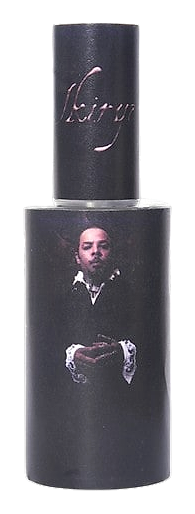
Silvana Casoli named this Othello for Shakespeare's Moor, not the tragedy, but the love that burned so bright it consumed everything. A tribute to absolute devotion, she built the composition as a olfactory portrait of passion that takes and takes until nothing remains but smoke and resin and the memory of something sweet. The name is the brief. The notes are the story of what happens when love goes all the way in.
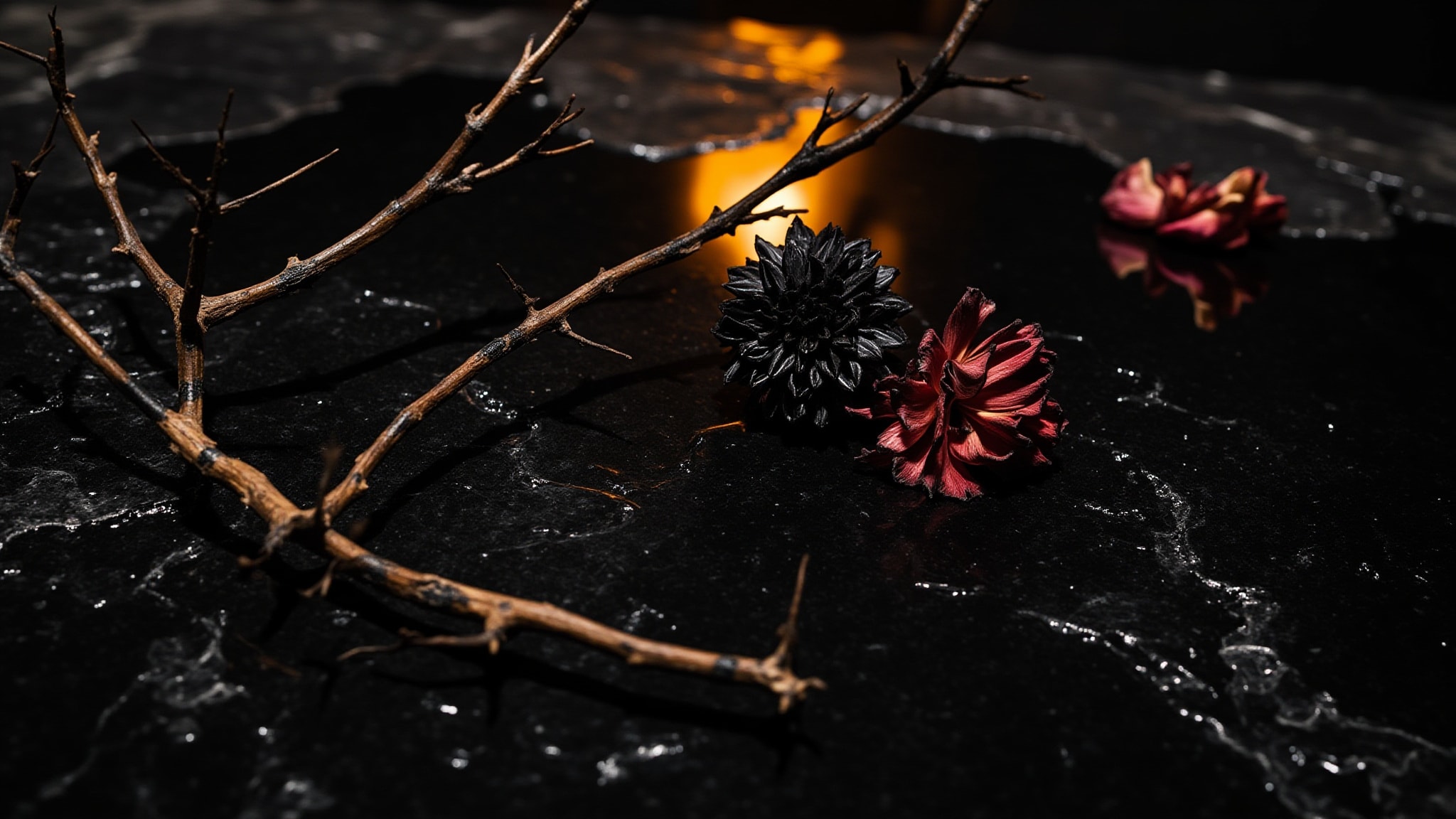
The tension in Othello isn't accidental, it's structural. Casoli opens with tropical brightness, almost playful, then pivots hard into darkness. The frankincense arrives without apology. The oud doesn't wait its turn. What could have been a simple smoky wood becomes something more complex because the honey refuses to disappear completely. Rose honey threads through the smoke, a sweetness that survives everything. That persistence is what makes this feel like love, not just loss.
The evolution
The opening hits bright. Passion fruit and citrus, a quick flash of tropical and Sicilian sun. Then the smoke starts, within minutes, not gradually. Omani frankincense, cathedral-dense, fills whatever space you're standing in. It doesn't retreat after the citrus fades. It settles into the skin. Patchouli grounds it from below, earthy and dark. Silver birch adds a faint mineral note. Datura whispers something white and slightly narcotic. The heart is smoke all the way through. By the drydown, the oud arrives. Dark, resinous, deep. Rose honey persists, the sweetness that refuses to leave even as everything burns. This lasts. Hours of smoke and honey and resin. The next day, on fabric, it still reads.
Cultural impact
Othello sits in a specific corner of the niche world, Italian craft, serious material, collector appeal. The combination of oud and incense signals intent. Adding passion fruit and honey signals a house willing to take risks. It's not for everyone. That's the point. This is a fragrance for those who read perfume as text.