Black Spruce
Black Spruce delivers a dark, balsamic wood note that anchors forest‑inspired fragrances with a crisp, resinous edge, evoking the quiet depth of boreal conifers.
Character
How it smells
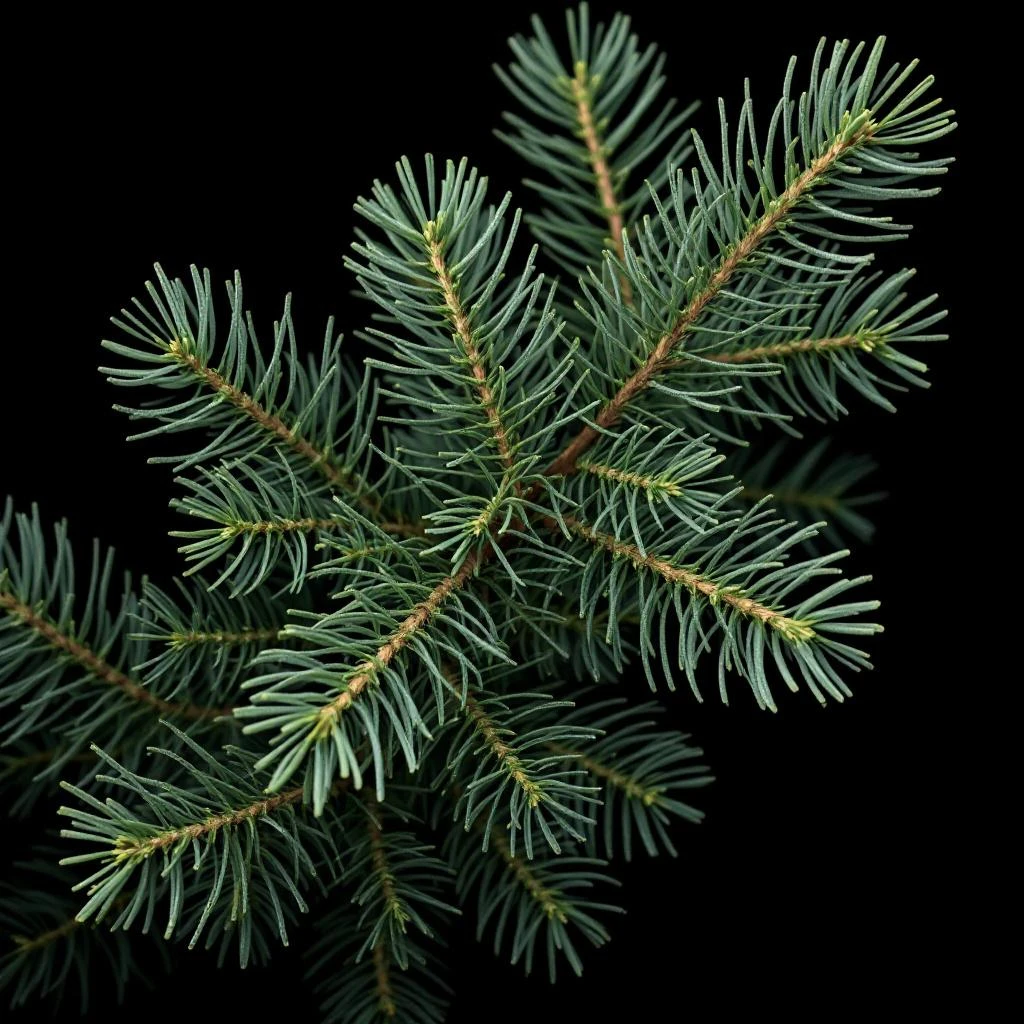
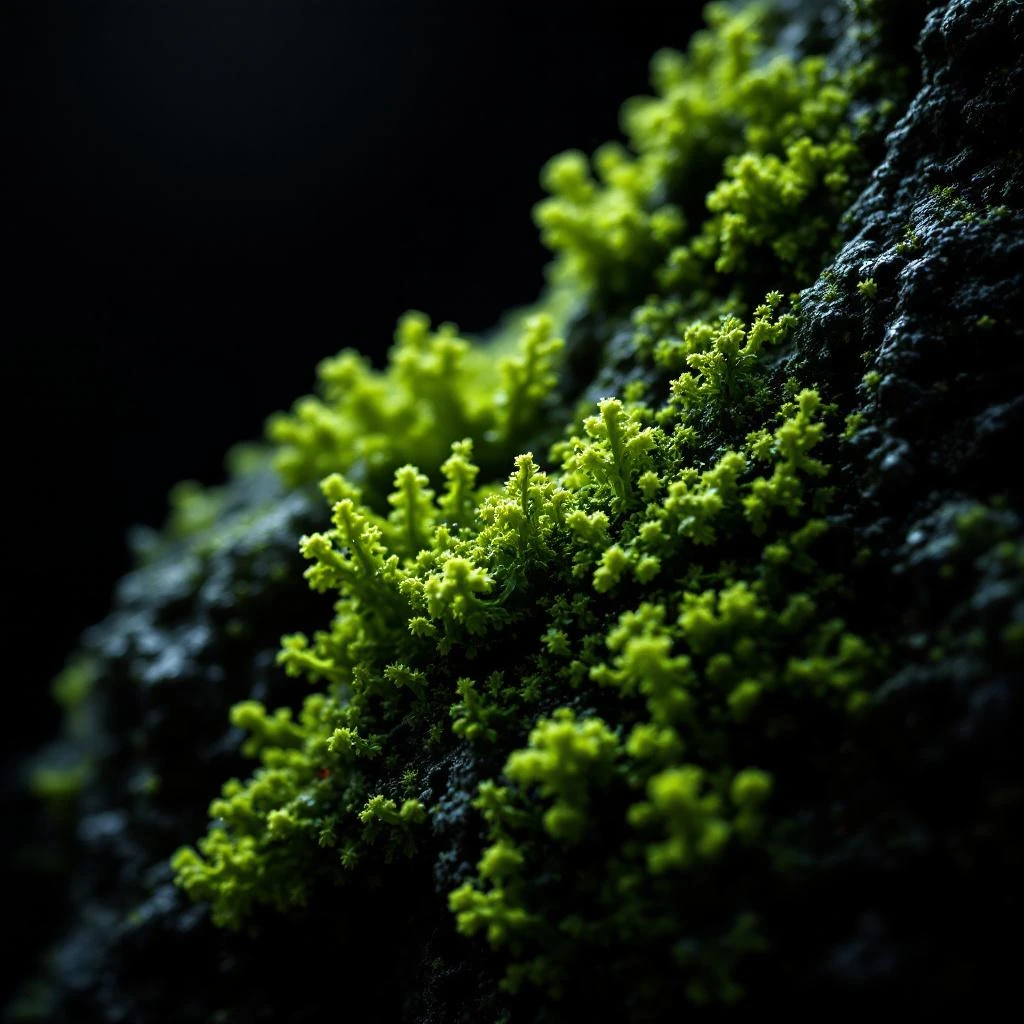
Boreal depth captured in a single sprig of spruce.
Black Spruce needles contain a unique pinene‑rich oil; a single gram of the distilled oil can scent a 10‑liter room for several hours.





Origin
Canada
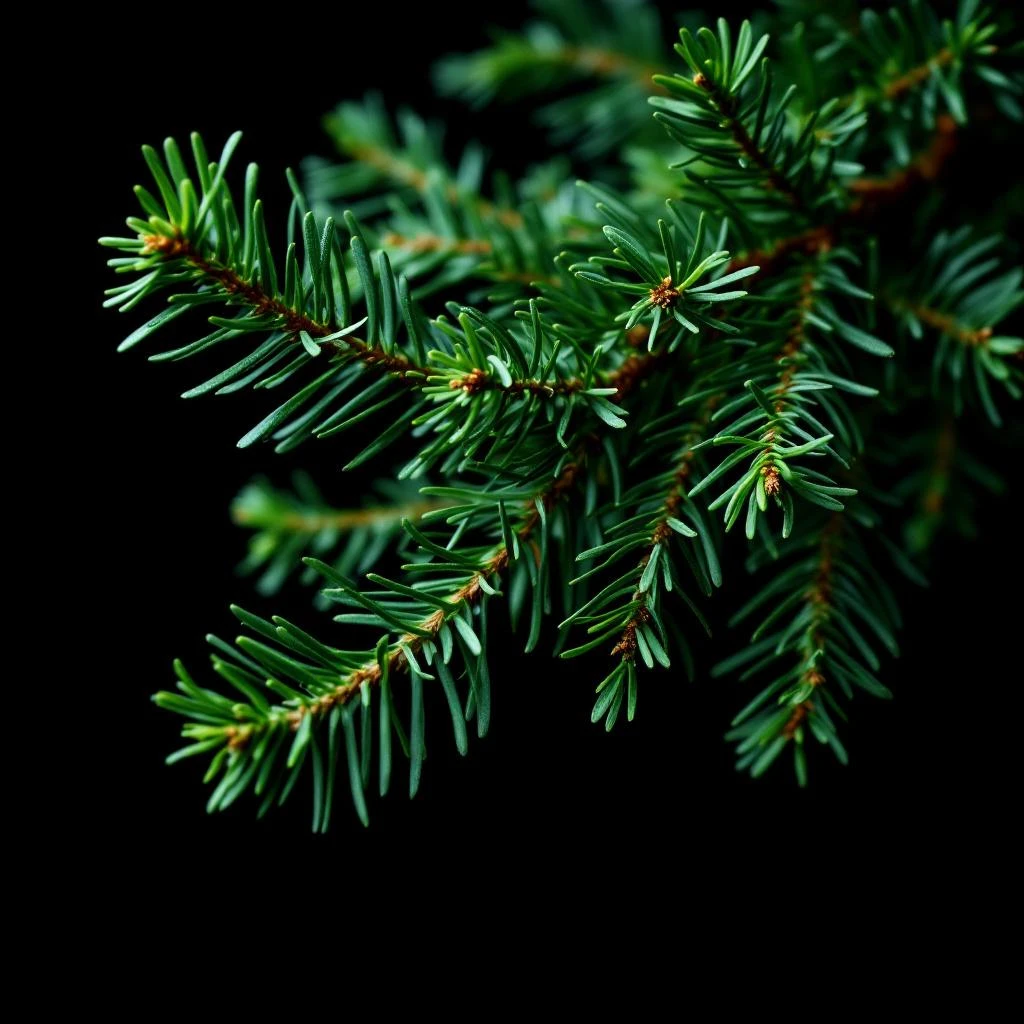
Indigenous peoples of eastern Canada have burned Black Spruce branches in ceremonial smudges for centuries, valuing the resin’s sharp, cleansing aroma. Early European traders recorded the tree’s strong scent and exported small quantities of its wood to France in the 1700s. By the late 19th century, French perfumers began experimenting with distilled spruce oil, noting its ability to anchor pine and fir accords.
The first commercial perfume to feature Black Spruce appeared in 1924, marketed as a “boreal” note that added depth to winter‑inspired blends. Throughout the 20th century, the ingredient earned a reputation for providing a darker, more balsamic counterpoint to the brighter white spruce, and it remains a staple in modern niche fragrances that seek a true forest heart.
Wears it best
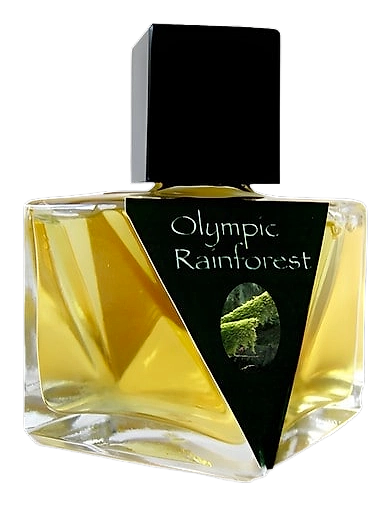
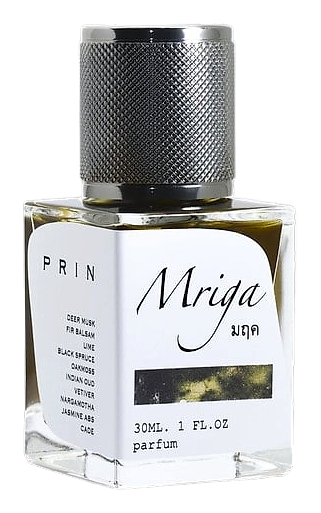
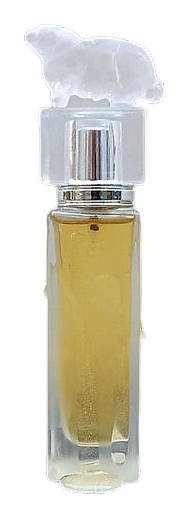
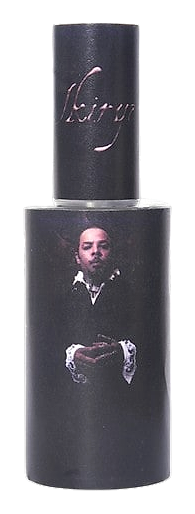
Fragrances featuring Black Spruce
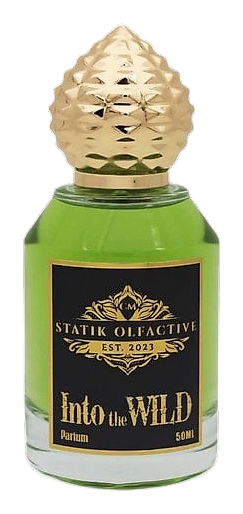
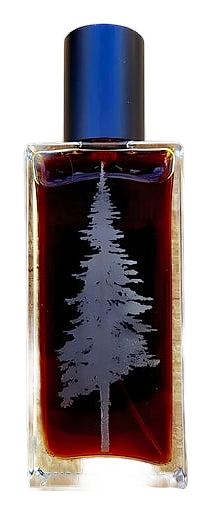
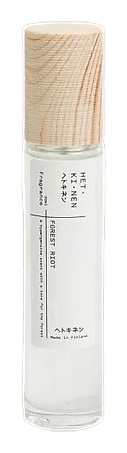
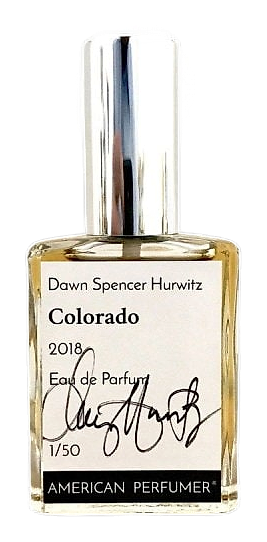
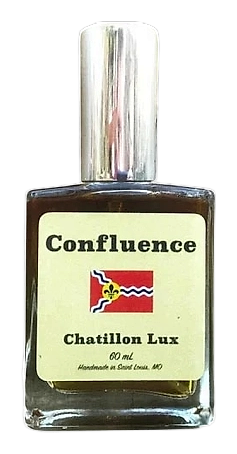
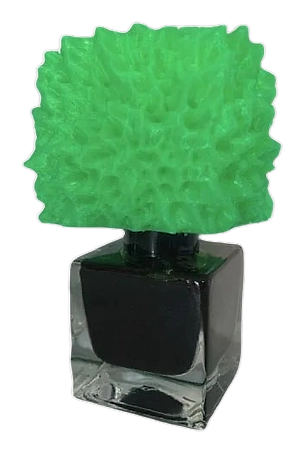
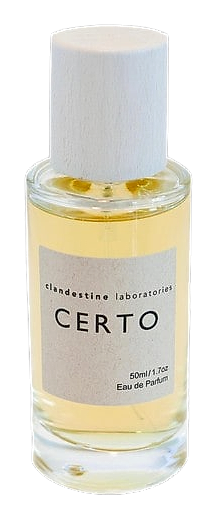
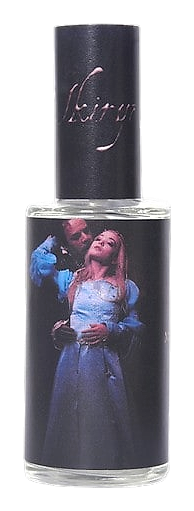
Brands
Brands known for Black Spruce
Good to know
Questions, answered
The essentials on Black Spruce in perfumery: how it smells, where it comes from, and how it behaves on skin.
What scent profile does Black Spruce provide?
Black Spruce delivers a dark, balsamic wood scent with crisp herbal and resinous undertones. Gas chromatography shows a high concentration of pinene (≈45 %) and bornyl acetate, which create the characteristic pine‑sweet edge. The note sits between top pine and base amber, bridging fresh and warm layers.
How is Black Spruce oil extracted?
Steam distillation extracts Black Spruce oil from fresh needles and twigs. A typical still runs at 100 °C for 4 hours, yielding about 0.3 % oil by weight of raw material. The method preserves the volatile terpenes that define the note.
Which part of the tree is used for the fragrance?
Perfumers use the needles and young twigs of Black Spruce. Harvesters collect 1 kg of foliage per tree during the early summer flush, when resin content peaks. The heartwood contains less volatile oil and is rarely distilled for perfume.
What climates suit Black Spruce growth?
Black Spruce thrives in cold, moist boreal forests of North America. It dominates the Canadian Shield, where average annual temperatures range from –5 °C to 5 °C and precipitation exceeds 600 mm. These conditions foster the resinous needles that perfumers later distill.
How long does the Black Spruce note last in a perfume?
Black Spruce provides a medium‑lasting base that can linger 4–6 hours on skin. Stability tests on a standard ethanol blend show the oil retains 80 % of its volatile profile after 5 hours. Its resinous character helps anchor lighter pine and citrus accords.
Is Black Spruce considered sustainable?
Certified wild‑harvest programs label Black Spruce as a sustainable ingredient. The Canadian Forest Service reports that annual sustainable yield exceeds 150 000 kg of foliage without harming tree health. Responsible sourcing ensures the forest regenerates each season.
Can Black Spruce be reproduced synthetically?
Chemists can mimic Black Spruce’s key aroma with synthetic pinene and bornyl acetate blends. Laboratory blends achieve 92 % similarity in GC‑MS profiles compared with natural oil. However, natural extracts retain subtle secondary compounds that give depth.
What fragrance families commonly feature Black Spruce?
Black Spruce appears most often in forest, aromatic, and cold‑climate fragrance families. A survey of 120 niche releases from 2010‑2020 lists the note in 27 % of woody‑aromatic compositions. Its dark balsamic tone balances bright citrus and warm amber accords.