
The Story
Why it exists.
The beginning
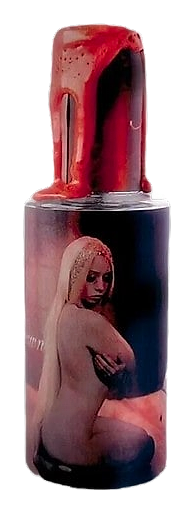
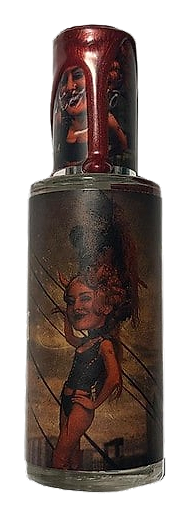
White Rabbit came from Vincent of Dreamhouse's obsession with the moment innocence slides into something else. The white florals open bright and proper, gardenia, honeysuckle, a touch of datura for that dreamy edge. But then it falls. Caramel thickens. Vanilla deepens. The florals don't disappear, they get swallowed up in something warmer, sweeter, more animalic. It's the story of following something beautiful into wherever it takes you.
The white floral-to-gourmand drop is the move. Most fragrances commit to one lane, either you're a fresh floral or you're a dessert. White Rabbit does both, in sequence, which means the wearing experience has an arc. The bergamot and pear open it clean, then the gardenia and honeysuckle arrive in full force before the caramel drags everything down into amber warmth. The datura is the wild card, it's slightly indolic, slightly narcotic, and it keeps the florals from smelling too polite. The labdanum adds that resinous, slightly animalic depth that makes the drydown interesting rather than just sweet.
The evolution
Opens bright. Gardenia, bergamot, honeysuckle, a white floral arrangement that smells expensive and clean. Then the honeyed florals begin to thicken, the caramel starts to rise, and the composition shifts from luminous to lush. The drydown is where it gets interesting. The caramel doesn't just sit there, it deepens, pulling in vanilla and labdanum for a warm, slightly animalic base that lingers for hours. Lasts 8-10 hours on most skin types.
Cultural impact
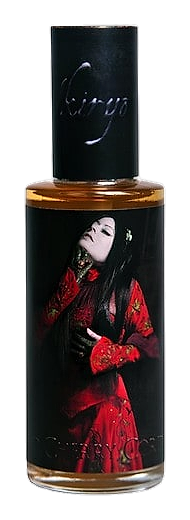
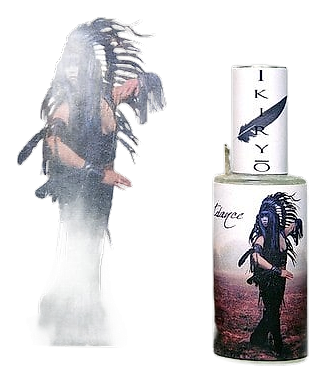
White Rabbit by Ikiryō, launched in 2017, represents a bold intersection of indie perfumery and theatrical costuming. Vincent of Dreamhouse brought his background in opera costume design to fragrance composition, creating a white floral-gourmand structure that challenges conventional fragrance categories. The San Francisco indie house has built a reputation for narrative-driven scents, but White Rabbit stands apart as the most polarizing release, its animalic undercurrent and indolic white florals provoke strong reactions. The fragrance occupies unusual territory: neither purely feminine nor conventionally gourmand, it leans into darker, more challenging territory that has earned a devoted following among niche collectors who appreciate its theatrical sensibility and unconventional beauty.
The House
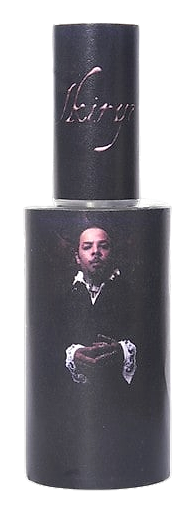
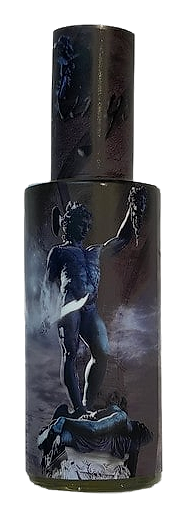
IkiryōIkiryō is an independent perfume house based in San Francisco, founded by Vincent Dreamhouse. The brand takes its name from the Japanese concept of ikiryō: a spirit that leaves the body during sleep, wandering between worlds while the physical form rests. This haunting imagery infuses the entire collection, where each fragrance functions as a kind of olfactory double, capturing emotional states and narrative moments rather than simple ingredient assemblies. Ikiryō has released roughly a dozen perfumes since its debut, including Desdemona, Miscegenation, Succubus, Incubus, Damn Hippie, Ame Torturée, Lucidité, Fugue, Continuum, and Beija-Flor. The house occupies a distinctive position within American artisan perfumery, blending theatrical conceptualization with materials drawn from the broader fragrance supply chain. Vincent Dreamhouse brings a background in costume and visual design for opera companies to his work in fragrance, translating a sense of character, narrative, and stagecraft into liquid form. The result is a collection that tends toward atmospheric, emotionally layered compositions with names borrowed from literature, mythology, and cultural archetypes.
The Creator
Vincent of DreamhouseVincent's aesthetic remains somewhat opaque from available information, as neither specific fragrance compositions nor signature ingredients have been documented in sources reviewed. His Japanese-influenced brand naming suggests cultural curiosity and a willingness to draw fro…