Hemlock fir
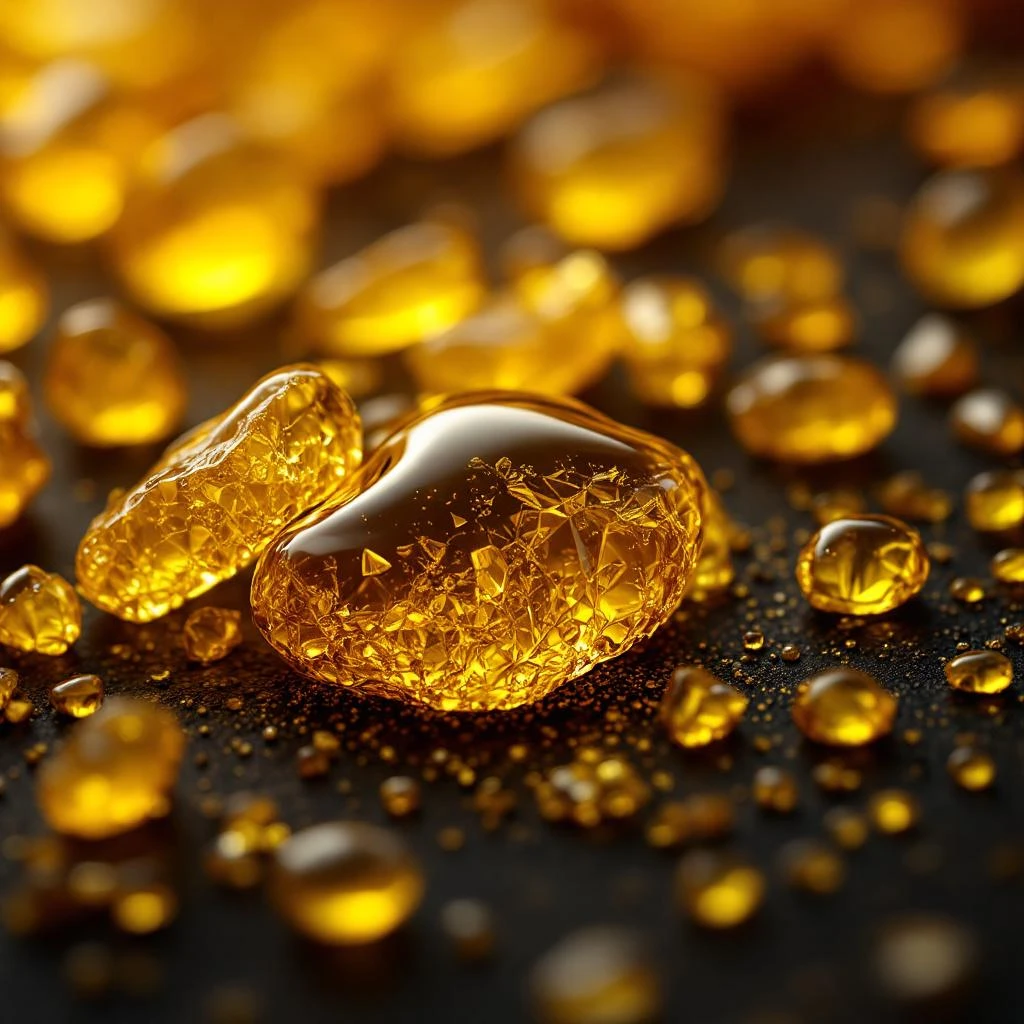
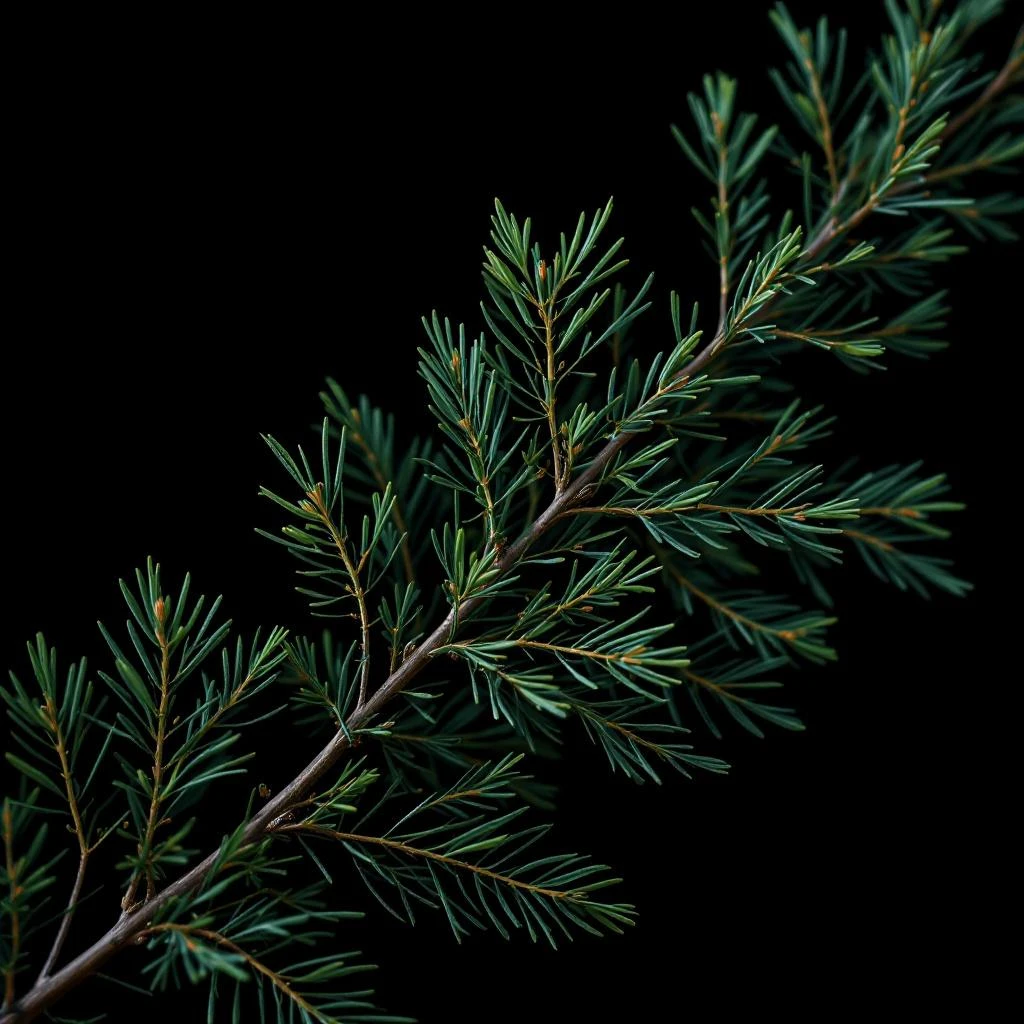
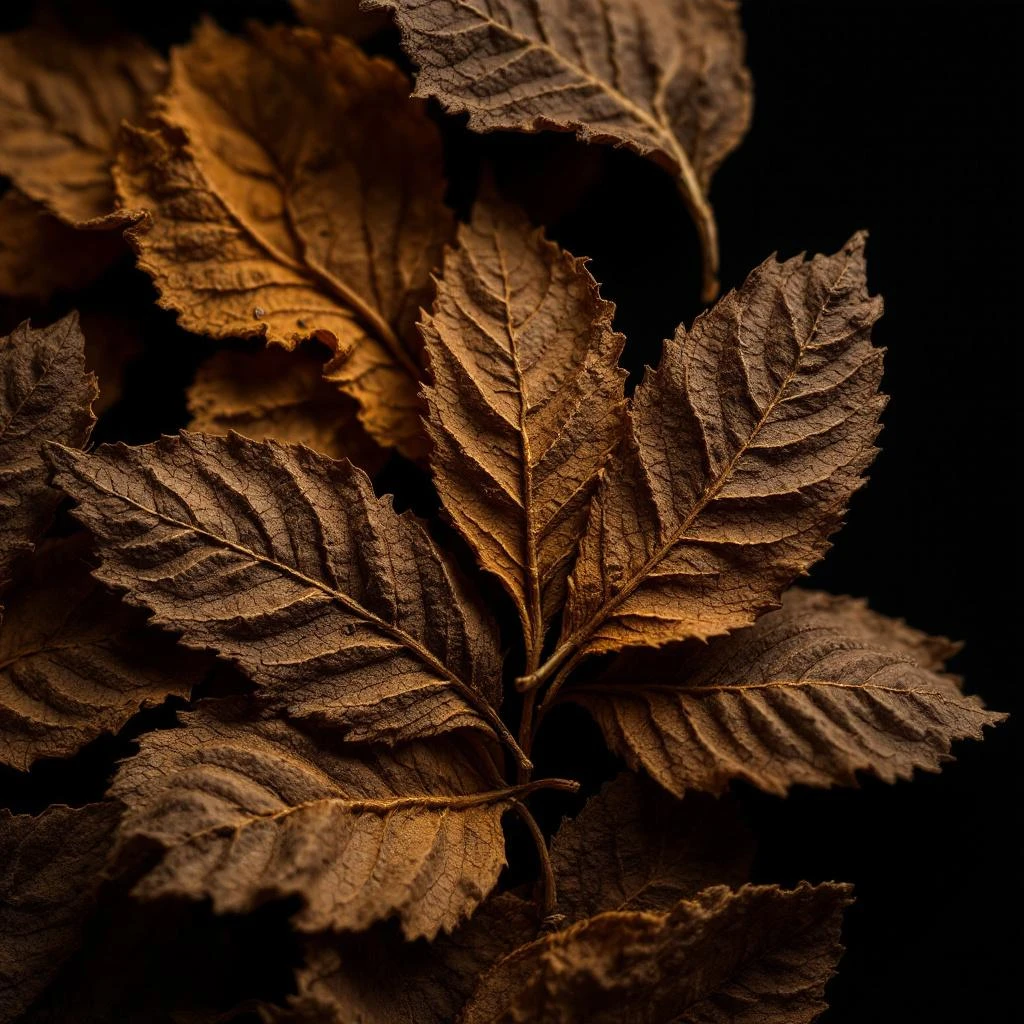
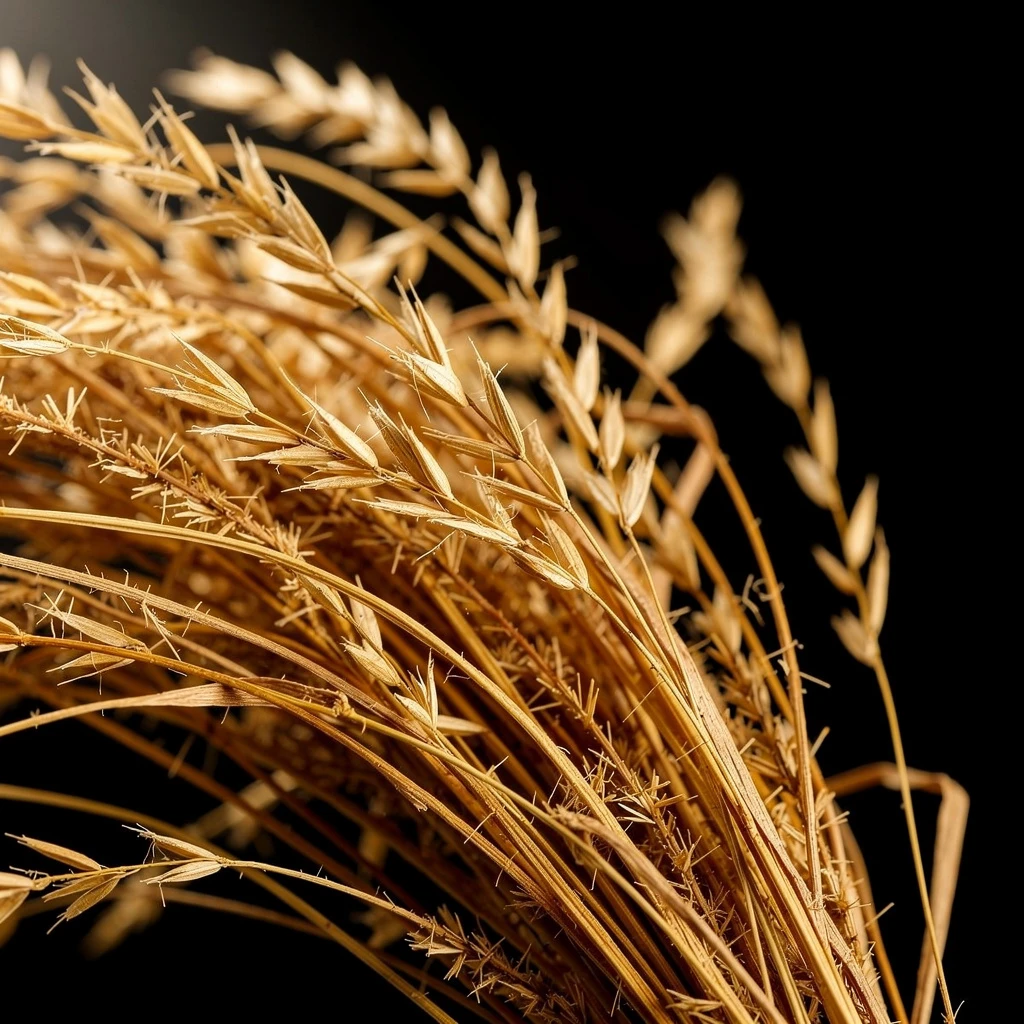
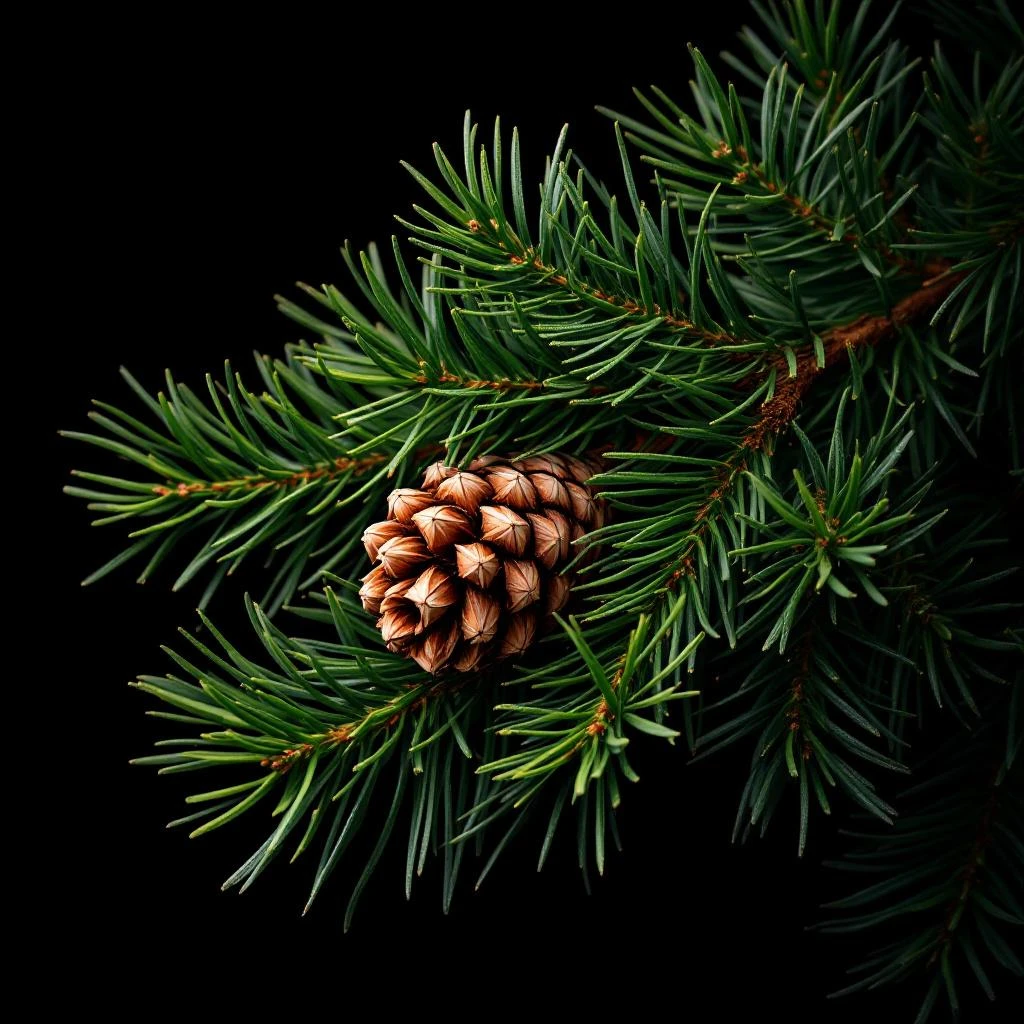
A sharp, resinous freshness with subtle green undertones. Hemlock fir captures the crisp essence of northern forest air in a single note, delivering an aromatic snapshot of misty woodland mornings and untouched wilderness.

Character
How it smells
The scent of untouched northern wilderness in every note.
Despite its name, Eastern Hemlock contains no toxic compounds. The name derives from an Old English word for a dye plant, unrelated to the poisonous hemlock herb.



Origin
Canada
Eastern Hemlock held practical importance for centuries before entering perfumery. Indigenous communities used the bark for leather processing due to high tannin content.
Early settlers brewed hemlock needle tea for respiratory and digestive ailments. The tree's aromatic properties went largely unexploited until the 20th century when conifer essential oils gained industrial demand.
North American perfumers began distilling hemlock fir in the mid-1900s, recognizing its distinct scent profile from other conifers. Today, hemlock fir essential oil remains a staple in forest-type fragrance compositions, valued for its freshness and complexity.
Wears it best
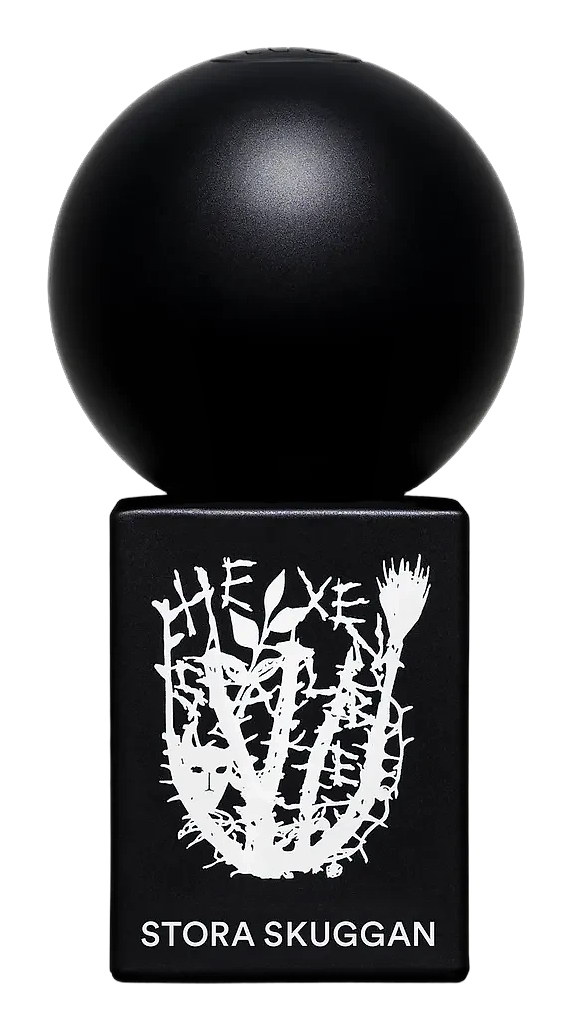
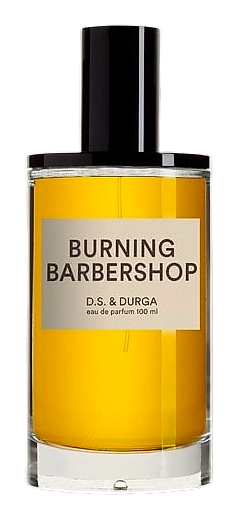
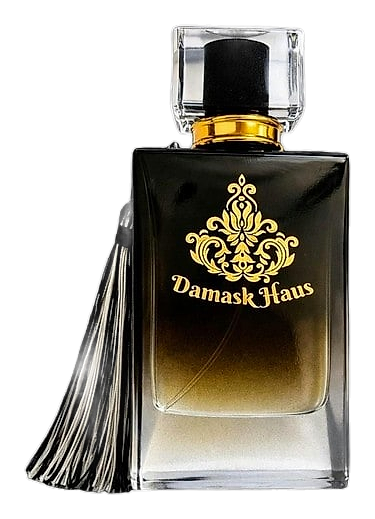
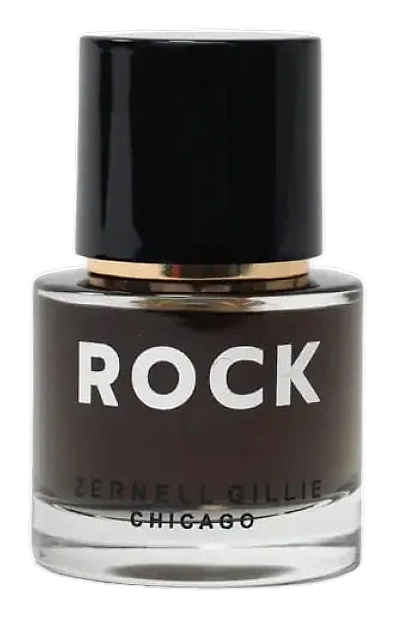
Fragrances featuring Hemlock fir
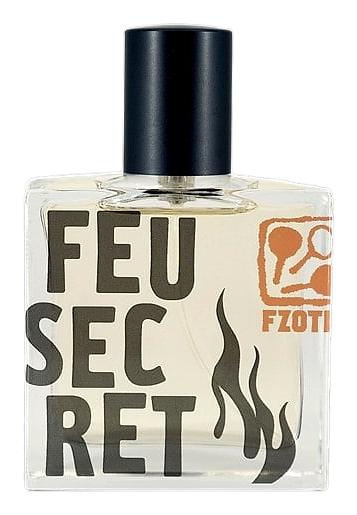
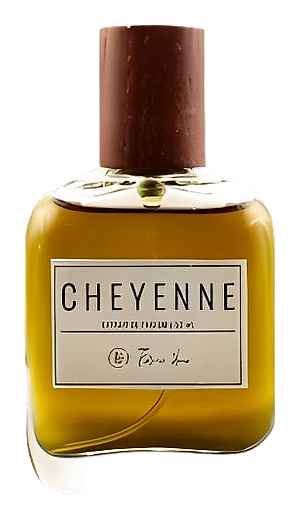
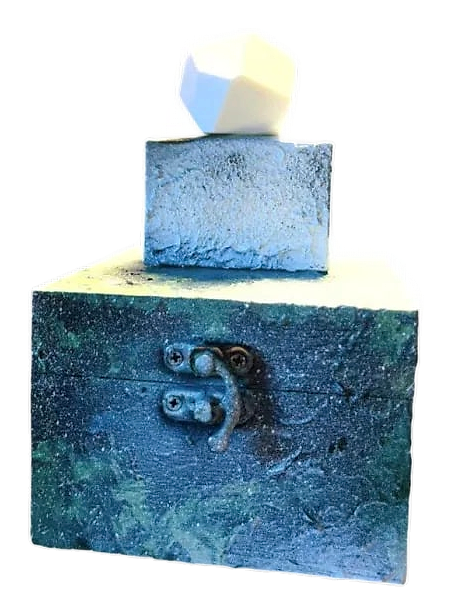
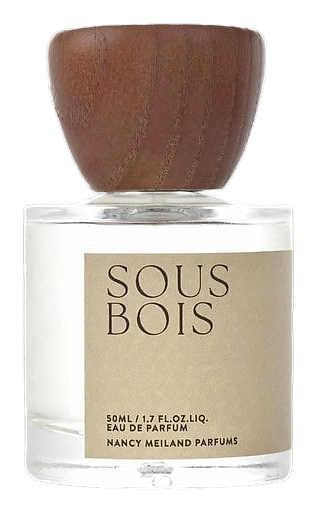
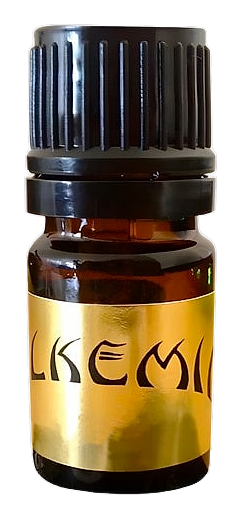
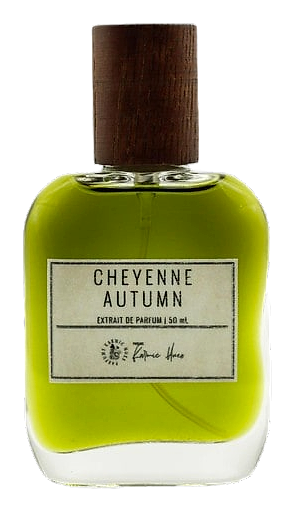
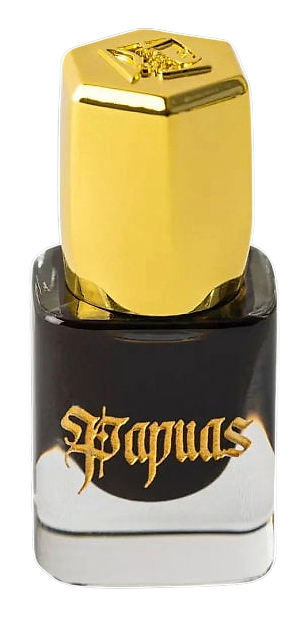
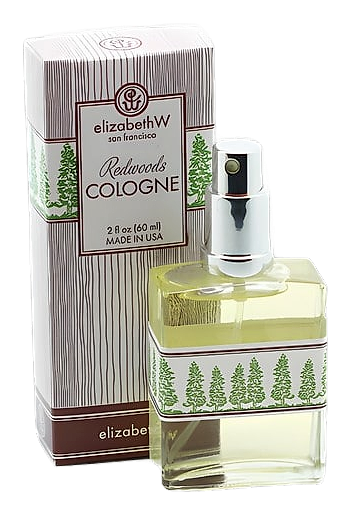
Brands
Brands known for Hemlock fir
Good to know
Questions, answered
The essentials on Hemlock fir in perfumery: how it smells, where it comes from, and how it behaves on skin.
What does hemlock fir smell like?
Hemlock fir opens with sharp, camphorated freshness followed by citrus-like top notes. The dry-down reveals earthy, woody depth. It differs from pine with more complexity and less turpentine character.
Is hemlock fir the same as poison hemlock?
No, completely different plants. Eastern Hemlock (Tsuga canadensis) is a conifer with no toxicity. Poison hemlock is a completely unrelated herbaceous plant containing dangerous alkaloids.
Where does hemlock fir oil come from?
Primary production occurs in the northeastern United States and southeastern Canada, where Eastern Hemlock thrives in cool, moist forests. Maine and New Brunswick are significant producing regions.
What compounds make up hemlock fir essential oil?
Dominant constituents include camphene, bornyl acetate, and limonene. The exact composition varies by harvest location, season, and distillation parameters.
How is hemlock fir used in perfumery?
Hemlock fir adds fresh, coniferous character to fragrance compositions. It works in forest, aquatic, green, and chypre accords, typically used as a top or heart note at 1-2% dilution.
Are there different types of hemlock fir extracts?
Steam-distilled essential oil is most common. Solvent extraction can produce an absolute with different aromatic nuances. Some producers offer both for perfumers seeking variety.
What should I know about hemlock fir safety?
Hemlock fir essential oil may cause skin sensitization. IFRA recommends conservative usage. Avoid during pregnancy, and conduct patch testing before topical application.
How does hemlock fir differ from other conifers in fragrance?
Hemlock fir occupies a unique position among conifers. It offers more complexity than straight pine, with less sharp turpentine notes than spruce, and a greener character than fir absolute.