The Story
Why it exists.
The beginning
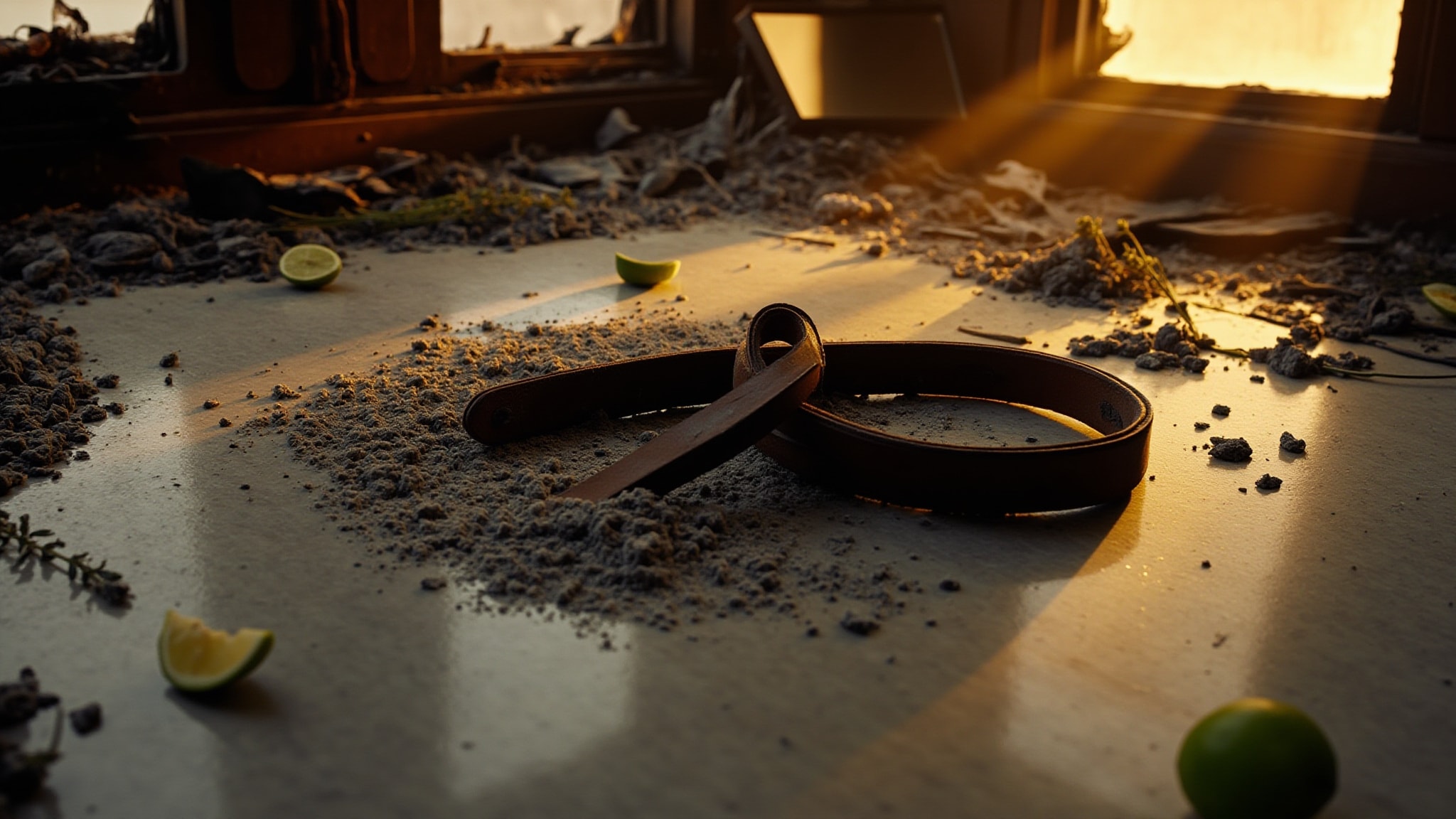
A barbershop in Westlake, New York burned in 1891. All the tonics, spearmint, lime, vanilla, lavender, went up in smoke. A bottle was found in the wreckage. It smelled like something new entirely. David Seth Moltz found that story, and built Burning Barbershop from the wreckage. Released in 2010, it translates the accident of that burned bottle into a deliberate composition: every note of charred wood, every ghost of barbershop powder, present and accounted for.
The genius is the tension. Hemlock fir and spearmint open clean, almost clinical, a fougère playing by its own rules at first. Then the burnt oil rises from beneath the florals like heat off asphalt. Lavender absolute and Turkish rose give it old-world elegance on paper, but the smoke never fully retreats. It's the material that makes this a story worth wearing. Vanilla and hay do the work of making the burnt note feel almost edible rather than harsh. A modern fougère that refuses to pretend smoke isn't part of the picture.
The evolution
The opening announces itself immediately. Hemlock fir's green bitterness, lime's sharp citrus, spearmint cooling the air. There is a moment of genuine barbershop freshness before the char arrives, burnt oil creeping up underneath the florals, quiet at first, then louder as the top notes recede. Lavender and rose take over, but they do not smell like a standard fougère. They smell like a fougère photographed through smoke. Tuberose adds an unexpected creaminess that makes the whole heart section feel warmer than expected. By the time the florals are gone, what is left is the base: burnt oil, hay, and vanilla in conversation. The smoke does not disappear, it deepens. Settles into the skin like something that was always there. An intimate, smoky, and slightly sweet drydown that lingers close to the skin. Vanilla and the memory of something scorched.
Cultural impact
Burning Barbershop polarizes exactly the way D.S. & Durga intends. Wearers either get it, the charred barbershop tonic as concept, not accident, or they do not. The smoke-note fougère draws people back repeatedly, even after a skeptical first encounter. The burnt tonics as a fragrance narrative is unique and compelling enough to earn that kind of devotion. This is a scent for people who want their fragrance to tell a specific, slightly uncomfortable story. It is divisive by design, and it is better for it.