The Story
Why it exists.
The beginning
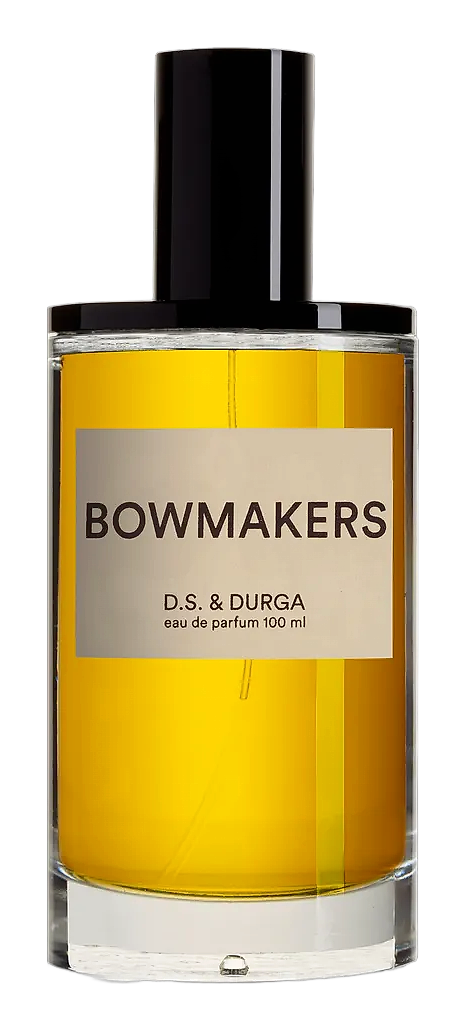
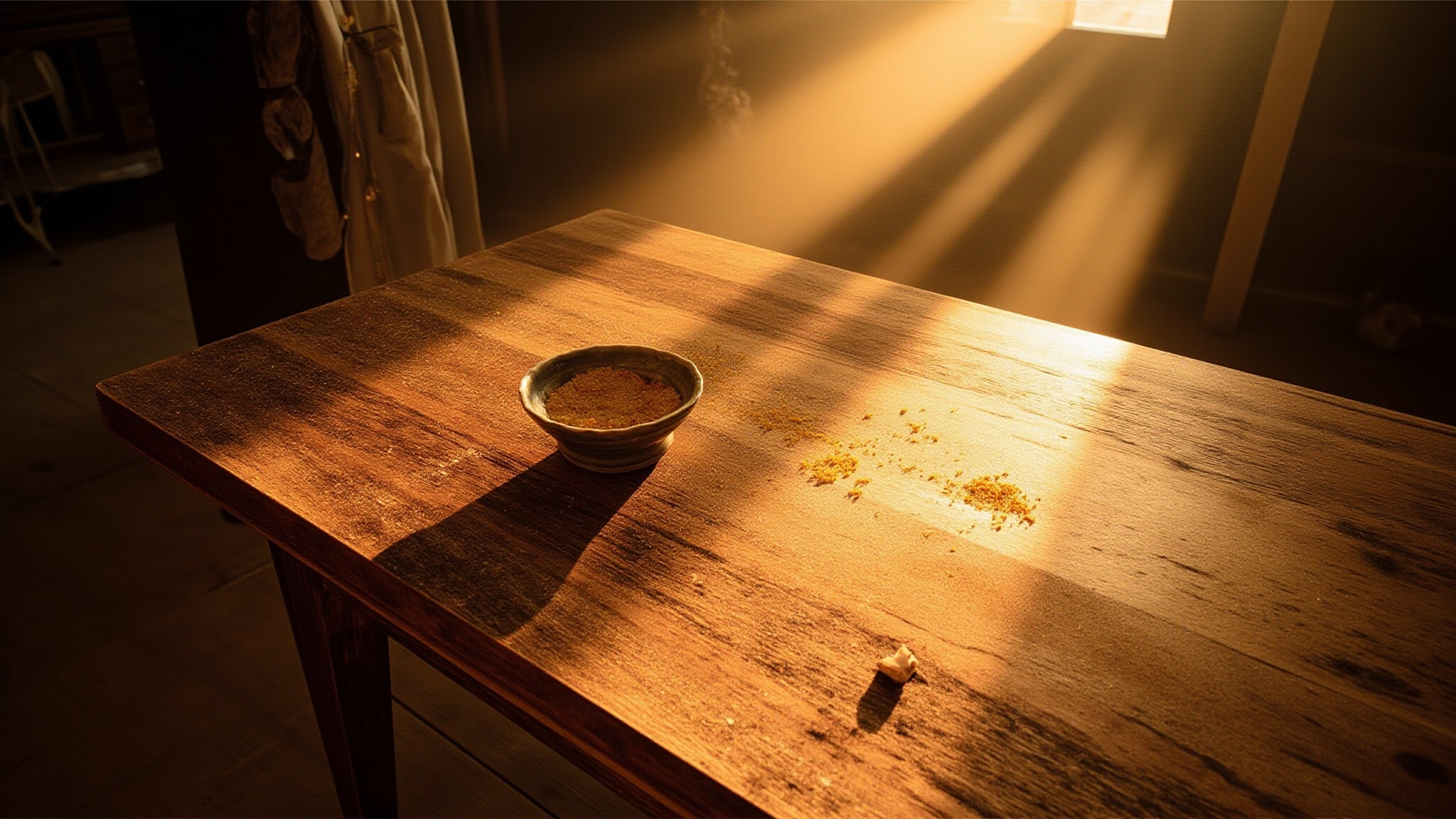
In the 1800s, craftsmen in Massachusetts built violins and bows in the small towns of the Pioneer Valley. Their shops were dense with old-growth mahogany, burled maple, amber pine rosin, and secret varnishes passed down between generations. Bowmakers draws from that world, the smell of a luthier's workshop where time moves slowly and everything is made to last. This is a fragrance about the people who make things by hand, and the air they work in.
What makes Bowmakers work is how faithfully it recreates that workshop without tipping into costume. The rosin is not a metaphor for rosin, it is rosin, with its clean, almost medicinal sharpness and the way it warms against skin. The maple and mahogany aren't abstractions either. They read as actual wood: dry, slightly papery, with a warmth that builds rather than blooms. This is a fragrance that trusts its references.
The evolution
The first hour hits warm and immediate, shellac and mahogany meeting the air, that moment of opening a violin case. Then the varnish softens. The heart arrives dry and papery: maple shavings, cypress, the particular smell of wood aged in a small room. By the third hour the rosin deepens into tree resin, and the drydown settles into moss and cedar. What remains close to the skin for the rest of the day is a warmth that doesn't disappear, the wood accord, quietly, stubbornly, holding on. On fabric, a trace of it survives until morning.
Cultural impact
Bowmakers has become a quiet collector's piece for those who seek out wood-and-resin fragrances. Community reviews describe it as the rare fragrance that feels like a real place, a luthier's workshop rather than an abstraction of wood. The concept holds: this is wood translated honestly, not sweetened for wearability.