Tree resin
Tree resin is among the oldest and most sacred fragrance materials in perfumery. Derived from the hardened sap that trees produce in response to injury, these balsamic, warm materials have been traded across continents for millennia, lending depth, longevity, and an almost spiritual resonance to compositions.

Character
How it smells
Ancient aromatic sap with sacred roots and warm depth.
Some resin-producing trees must be wounded multiple times over decades before yielding harvestable material, making each drop extraordinarily precious.





Origin
Ethiopia
Tree resins rank among the first botanical materials humanity deliberately aromaticized. Ancient Egyptians burned frankincense and myrrh in temple ceremonies as early as 3000 BCE, and priests considered these materials divine.
The Greeks received perfumery knowledge from Egyptian sources, then refined techniques and expanded trade routes. Romans, Persians, and Arabs continued developing resin usage across centuries, establishing vast networks that moved frankincense from Arabian Peninsula origins and myrrh from African homelands into western markets.
By the medieval period, resin-soaked wooden wands served as portable fragrance before modern alcohol-based perfumes emerged. These materials remain foundational in oud, orientals, and chypre families, prized for their ability to anchor and round compositions.
Wears it best
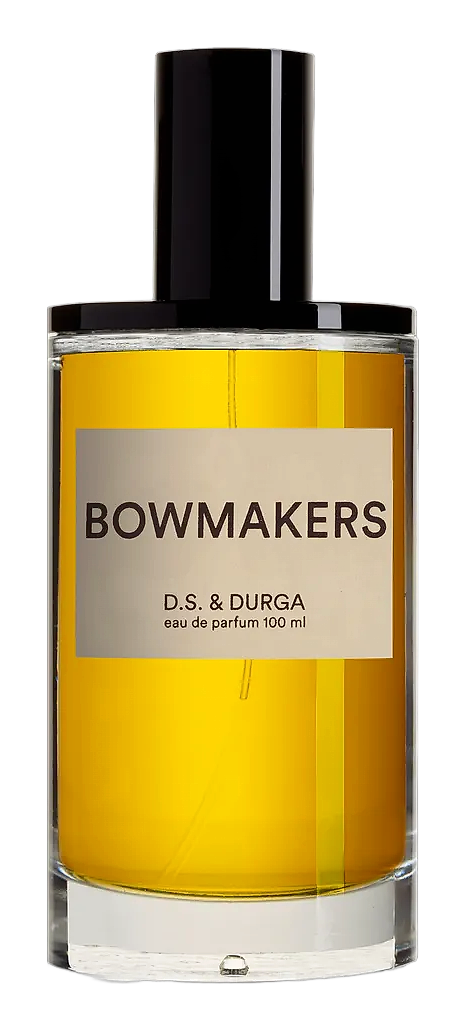
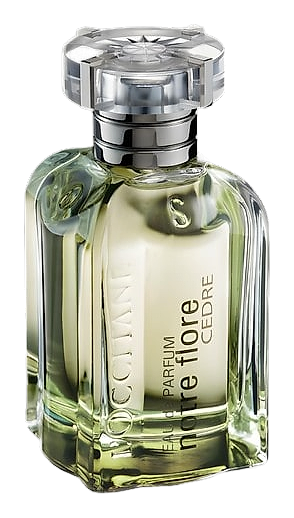
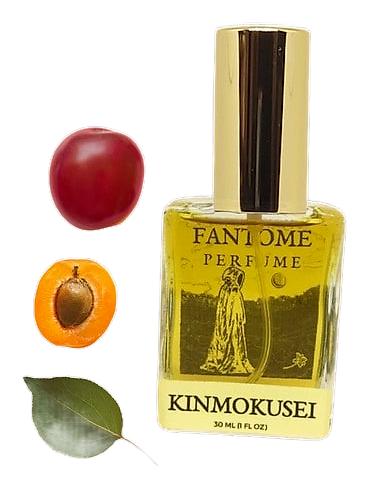
Fragrances featuring Tree resin
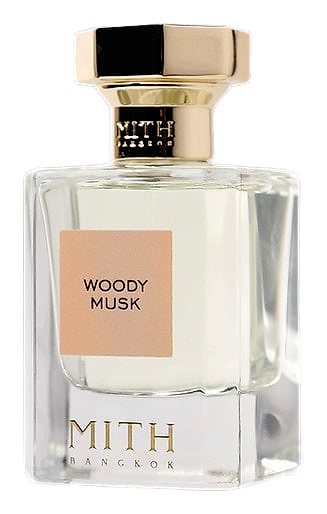
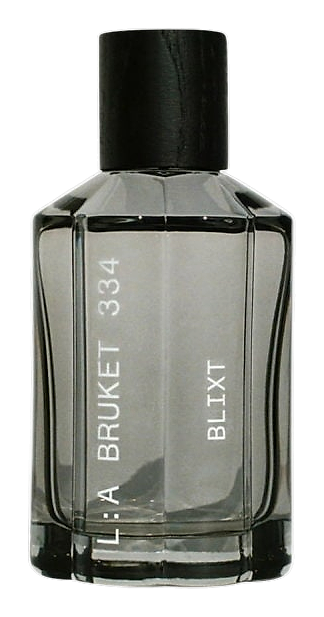
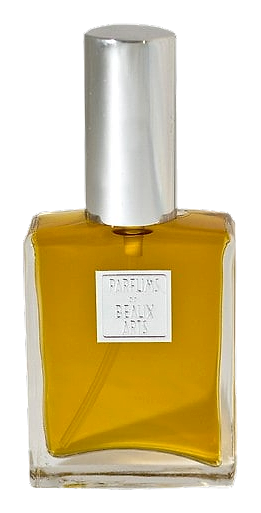
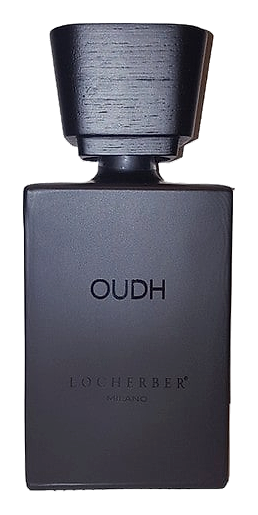
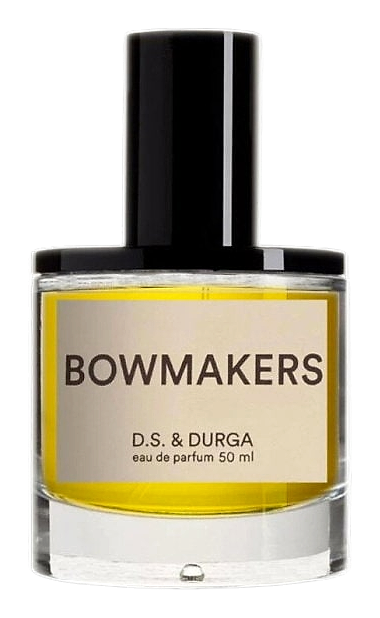
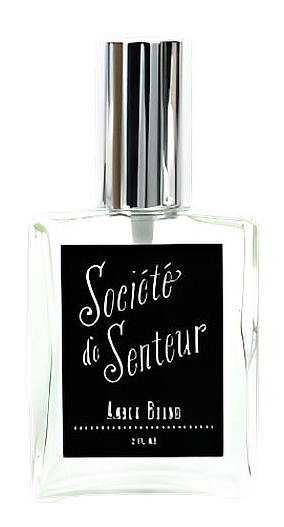
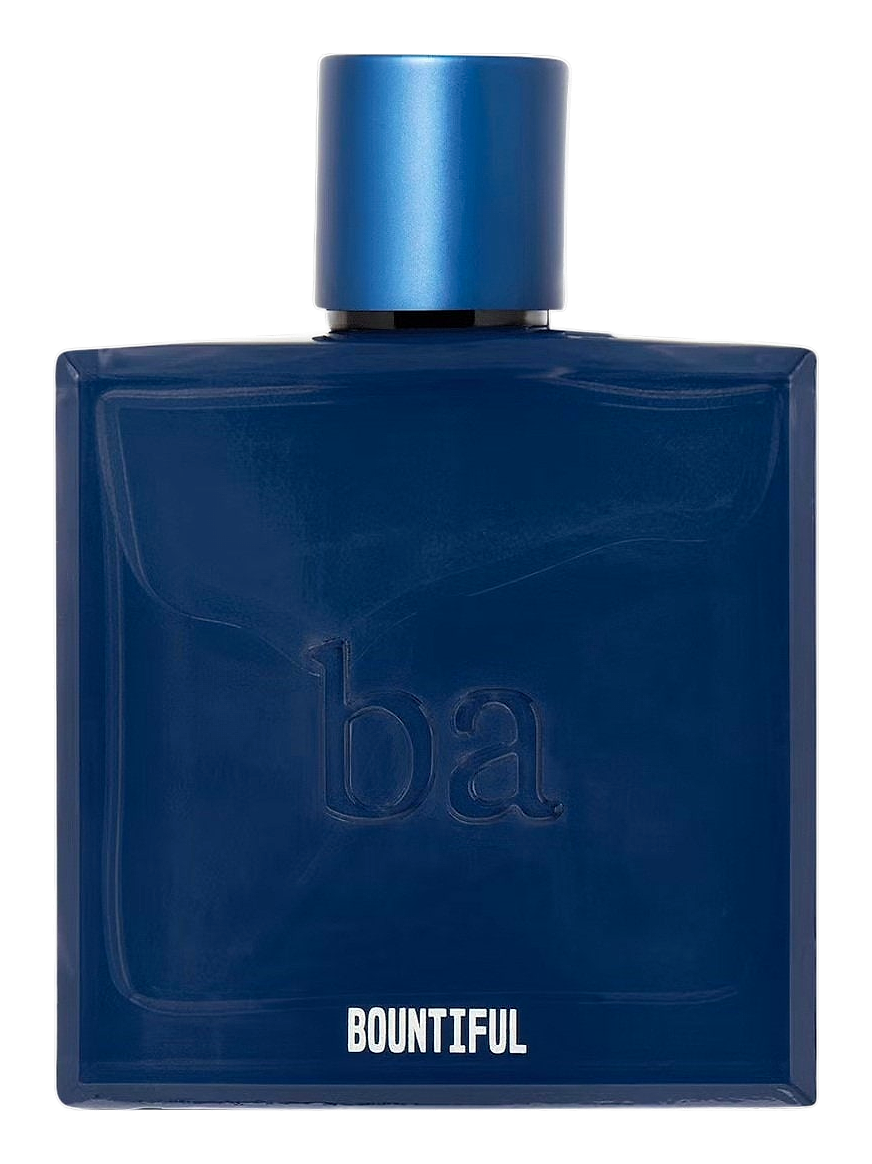
Brands
Brands known for Tree resin
Good to know
Questions, answered
The essentials on Tree resin in perfumery: how it smells, where it comes from, and how it behaves on skin.
What does tree resin smell like in a fragrance?
Tree resin typically registers as warm, balsamic, and honeyed with sweet gum qualities. Frankincense brings piney, citrusy brightness; myrrh offers earthy, slightly medicinal depth. Resins generally add resinous warmth, improved longevity, and a smoky undertone that rounds compositions.
Is tree resin a natural or synthetic ingredient?
Tree resin is a natural ingredient harvested from living trees. Perfumers obtain it by collecting sap that exudes from scored bark, then process it into resinoids via solvent extraction or steam distillation.
Which fragrance families commonly use tree resin?
Oriental fragrances lean most heavily on resin materials, followed by chypres and certain woody compositions. Resins provide the deep, lasting dry-down that distinguishes these families.
Does tree resin project well in fragrance?
Resins rate as moderate to poor projectors but excel as fixatives. They trap lighter molecules and slow fragrance evaporation, extending wear time significantly on skin.
How long has tree resin been used in perfumery?
Historical records document resin use in Egyptian temple ceremonies dating to 3000 BCE, making it among the oldest botanical fragrance materials still in production today.
What is the difference between resinoid and essential oil from resin?
Solvent-extracted resinoid captures a broader range of aromatic compounds in viscous, highly concentrated form. Steam-distilled essential oil yields lighter, more volatile profiles dominated by monoterpenes.
Can tree resin cause skin sensitivity?
Some resin materials, particularly storax and benzoin, contain compounds that may trigger contact reactions in sensitive individuals. IFRA guidelines regulate several resin ingredients in consumer products.
What trees produce fragrance-quality resin?
Boswellia species yield frankincense; Commiphora produces myrrh; Styrax provides storax; and Pterocarpus marsupium generates the rare kesar trunk resin used in high-end compositions.