Colophony
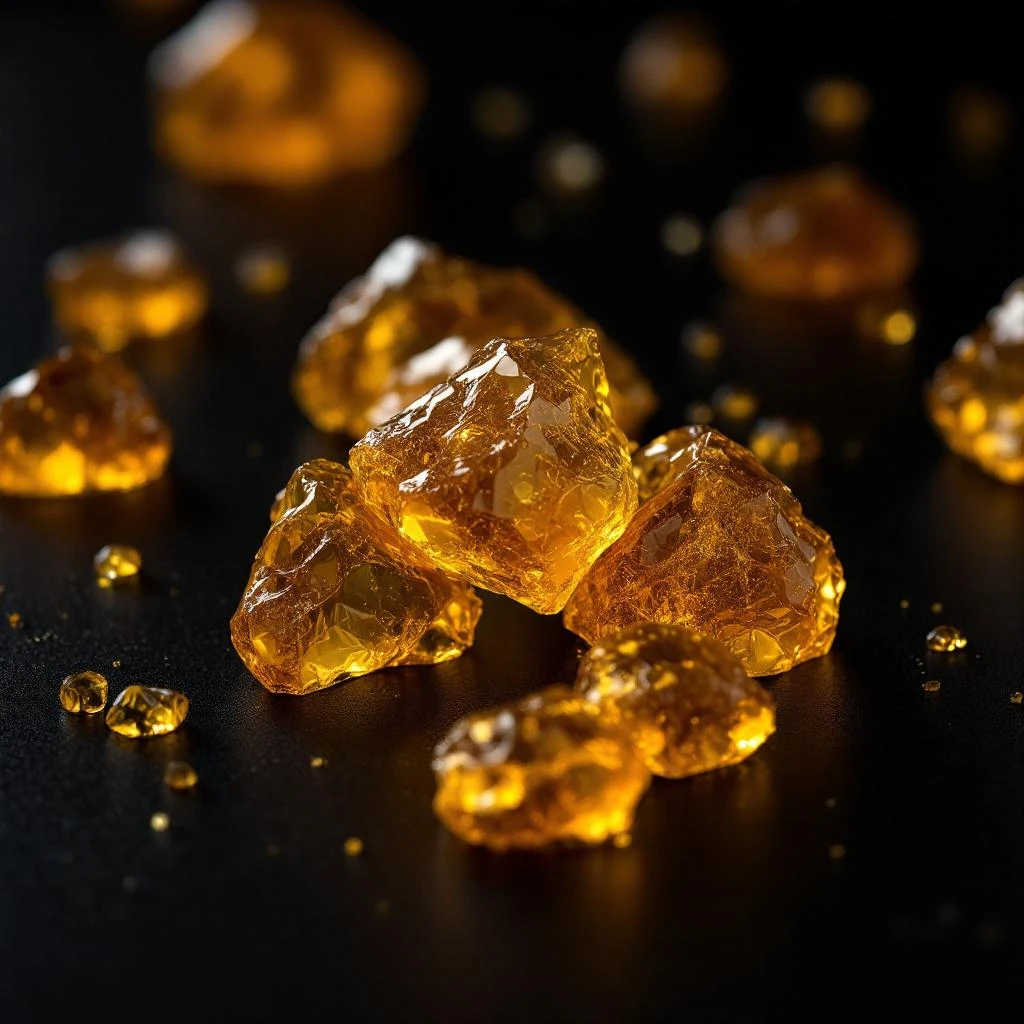
Colophony, the ancient resin harvested from pine forests, anchors fragrances with deep, resinous warmth and a faintly balsamic character that has perfumed human civilization for millennia.

Character
How it smells
The forest's gift: warm, resinous, timeless.
Musicians have relied on colophony to grip violin strings for over 500 years, a tradition that predates its use in perfumery.






Origin
Greece
The name colophony derives from Colophon, an ancient Greek city in modern-day Turkey, where rosin production was documented as early as the 7th century BCE. Ancient Greeks prized this resin for waterproofing ships, sealing documents, and burning as incense in religious ceremonies. Roman soldiers carried colophony into battle, applying it to leather armor to repel moisture and sharpen weapons.
Medieval apothecaries listed rosin as a treatment for skin ailments, a use that influenced its later adoption in perfumery. By the 17th century, French and Italian perfumers had learned to use refined colophony as a fixative, extending the lifespan of volatile top notes in their compositions. The industrial era brought colophony into violin bow rosin, printing inks, and soaps, but its role in fragrance remained steady.
Today, it appears in woody, oriental, and chypre fragrances as both a fixative and a note in its own right, lending depth that synthetic alternatives struggle to replicate.
Wears it best
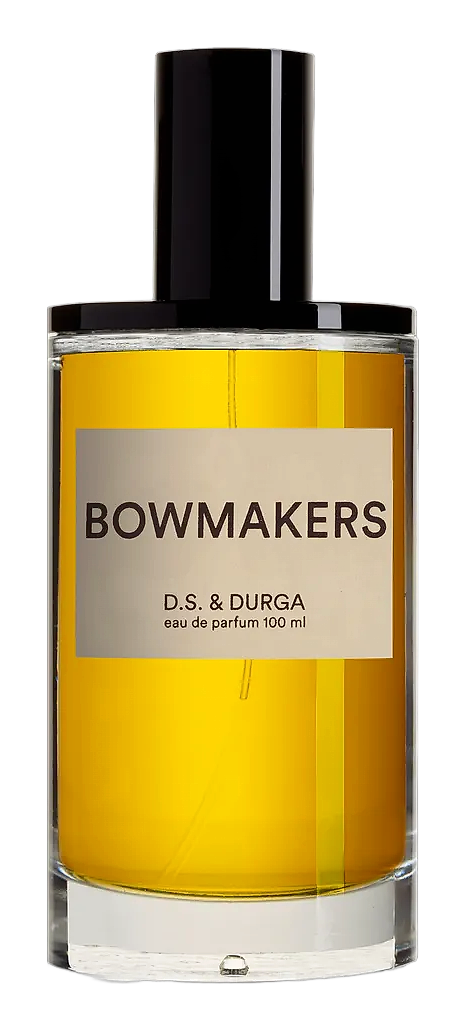
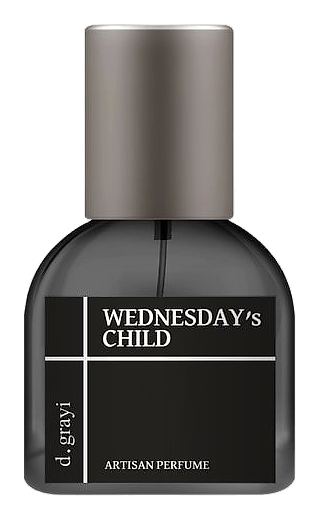
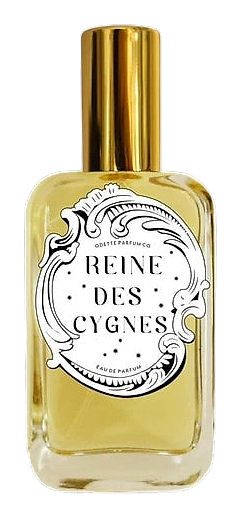
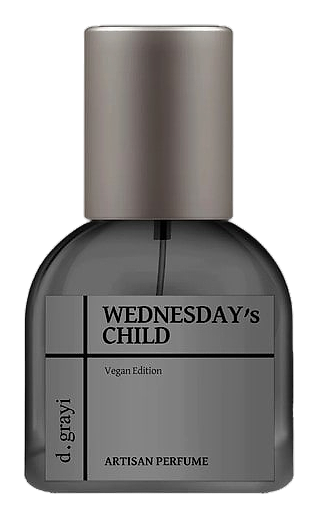
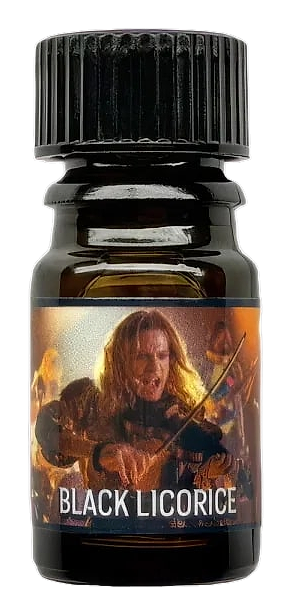
Fragrances featuring Colophony
Brands
Brands known for Colophony
Good to know
Questions, answered
The essentials on Colophony in perfumery: how it smells, where it comes from, and how it behaves on skin.
Is colophony the same as rosin?
Yes, colophony is a specific type of rosin. The terms are often used interchangeably in perfumery, though rosin can also refer to resins from other plants.
What does colophony smell like in perfume?
It provides a warm, resinous, slightly balsamic base note with faint pine and turpentine nuances that lend depth to woody and oriental fragrance compositions.
Is colophony a fragrance allergen?
Yes, colophony is a recognized fragrance allergen. Patch testing uses a 20% concentration in the European Fragrance Series to detect sensitization.
How much colophony is used in perfume formulations?
Typical usage concentrations range from 1-2% in fragrance concentrates, where it functions primarily as a fixative to slow the evaporation of lighter notes.
Which pine species produce the best colophony for perfumery?
Longleaf pine (Pinus palustris) and maritime pine (Pinus pinaster) yield the highest-quality resin, with southeastern US and French origins considered premium.
Why is colophony called colophony?
The name comes from Colophon, an ancient Ionian Greek city in modern Turkey, which was a major center of rosin production in antiquity.
Does natural colophony differ from synthetic alternatives?
Natural colophony offers a complex resinous profile with subtle variations that synthetics have not fully replicated, making it valued in fine perfumery.
What products commonly contain colophony besides perfume?
Beyond fragrance, colophony appears in violin bow rosin, adhesives, printing inks, chewing gum, and certain topical medications.