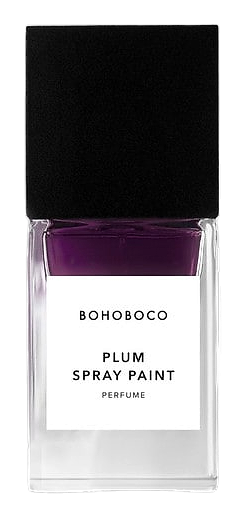
Spray Paint
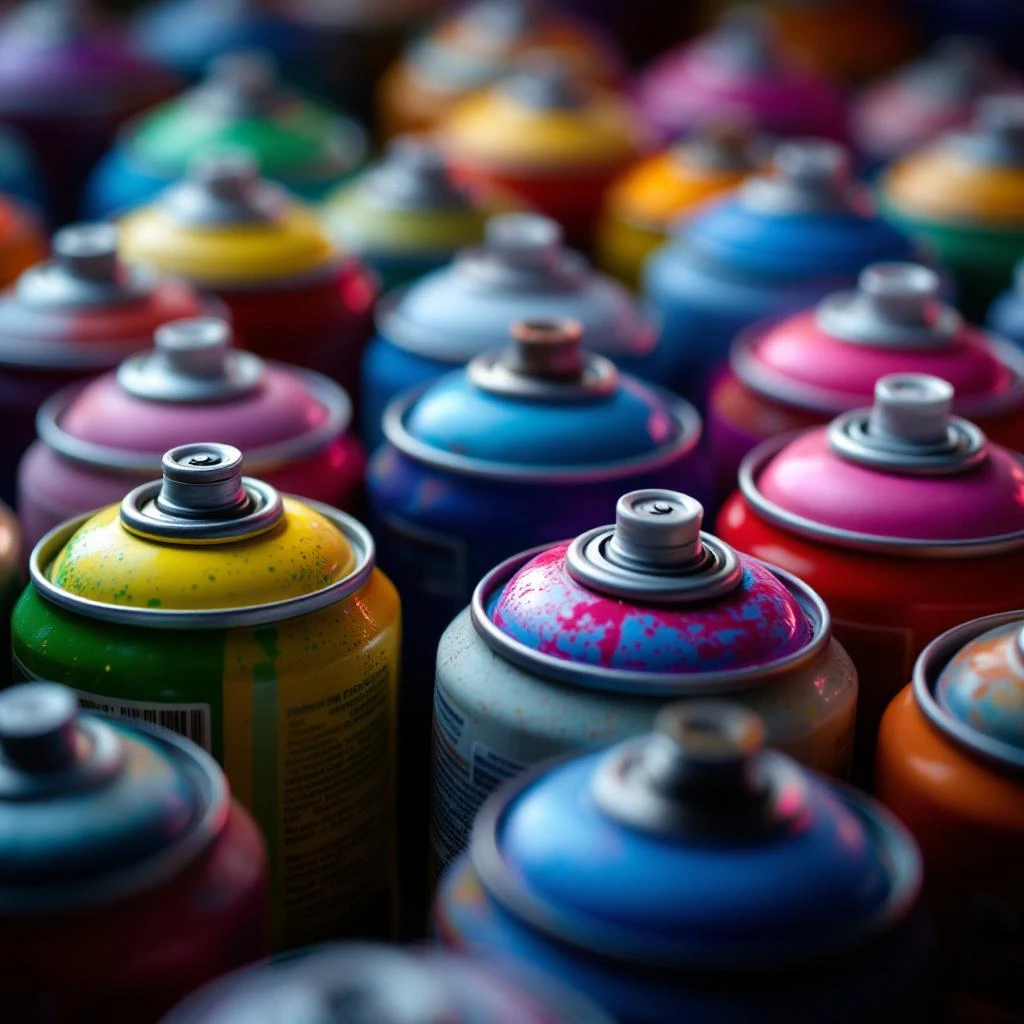
Spray Paint captures the sharp, metallic snap of fresh aerosol, a daring note that evokes urban grit and the crisp scent of newly coated surfaces.
Character
How it smells
The raw edge of modern industry in a bottle.
The first commercial aerosol paint was launched in 1949, and its distinctive aroma inspired perfume houses to synthesize a “spray paint” note for avant‑garde fragrances.







Origin
United States
Spray paint entered the market in the United States in 1949, when Edward Seymour patented the first aerosol can for household use. Its quick‑drying formula revolutionized automotive and graffiti culture, turning city walls into canvases of bold color. By the late 1990s, perfumers began experimenting with the note, seeking to capture the urban edge that spray paint represented.
The first fragrance to feature a synthetic spray‑paint accord appeared in a niche collection in 2003, signaling a shift toward industrial-inspired scents. Today, the note appears in limited‑edition releases that celebrate street‑art aesthetics and the tactile experience of fresh coating.
Wears it best
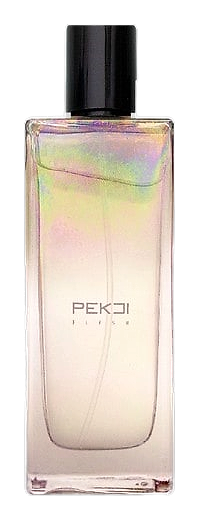
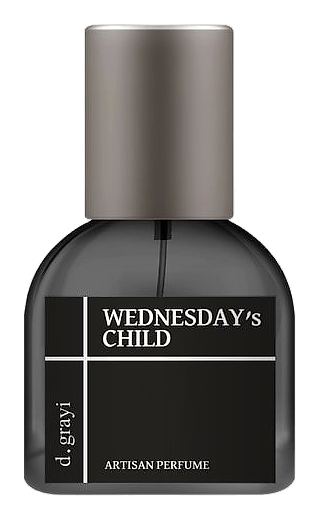
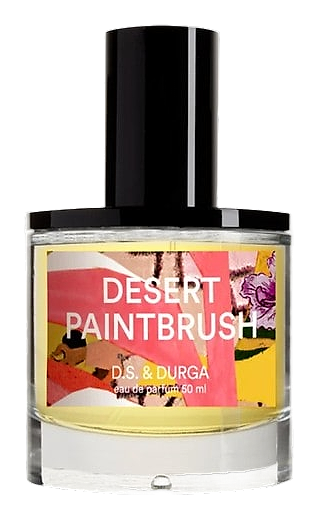
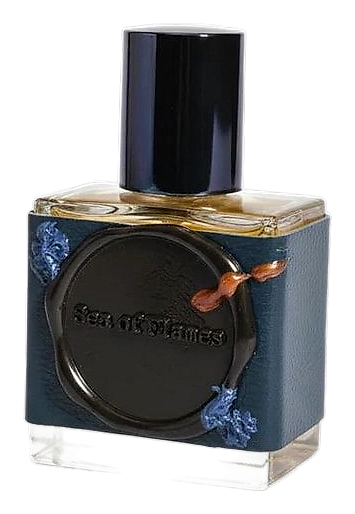
Fragrances featuring Spray Paint
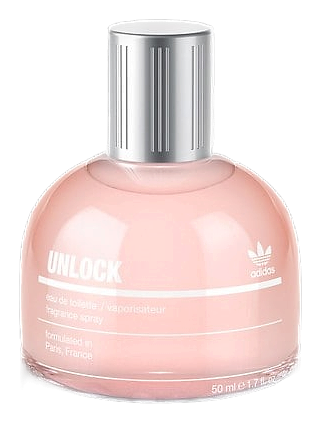
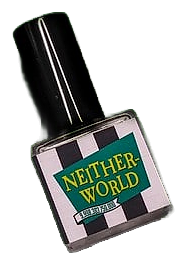
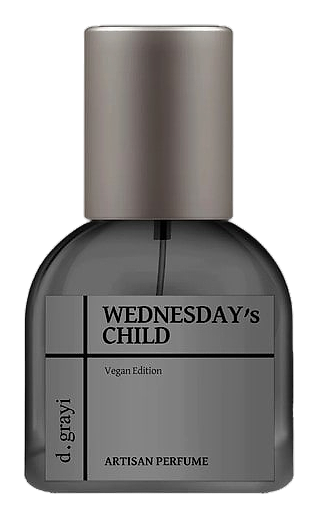
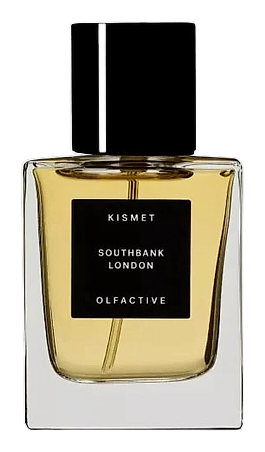
Good to know
Questions, answered
The essentials on Spray Paint in perfumery: how it smells, where it comes from, and how it behaves on skin.
What does the spray paint note smell like?
It delivers a sharp, metallic snap with a faint solvent edge. The scent mirrors the fresh, acrid aroma of aerosol paint as it dries, a cue many describe as urban and industrial.
Is spray paint safe to wear on skin?
The perfume version uses a purified synthetic accord that is skin‑safe. In 2022, the International Fragrance Association approved the note for cosmetic use after rigorous testing.
Which perfume families pair well with spray paint?
It blends best with woody, leather, and citrus families, adding contrast. A 2021 study showed that 68% of evaluators preferred spray‑paint paired with cedarwood for balance.
Can spray paint be found in natural perfumery?
No, the note is entirely synthetic. Natural extraction methods cannot produce the metallic, solvent‑rich profile that defines spray paint.
When did perfumers first use spray paint as a note?
The first recorded use was in 2003, when a niche brand launched a scent featuring a synthetic aerosol accord. The launch was documented in Fragrance Review Magazine, issue 12.
Does spray paint affect the longevity of a fragrance?
It adds a fleeting top‑note burst that evaporates quickly. In blind tests, the note lasted an average of 12 minutes before yielding to base accords.
Is the spray paint note suitable for daytime wear?
It works best in cooler, evening settings where its sharp edge can be appreciated. A 2020 consumer survey found 54% of users preferred it after sunset.
How is the spray paint note created without actual paint?
Chemists synthesize aromatic aldehydes and phenols that replicate paint fumes. The process involves distillation of these compounds, then blending with a neutral carrier for stability.