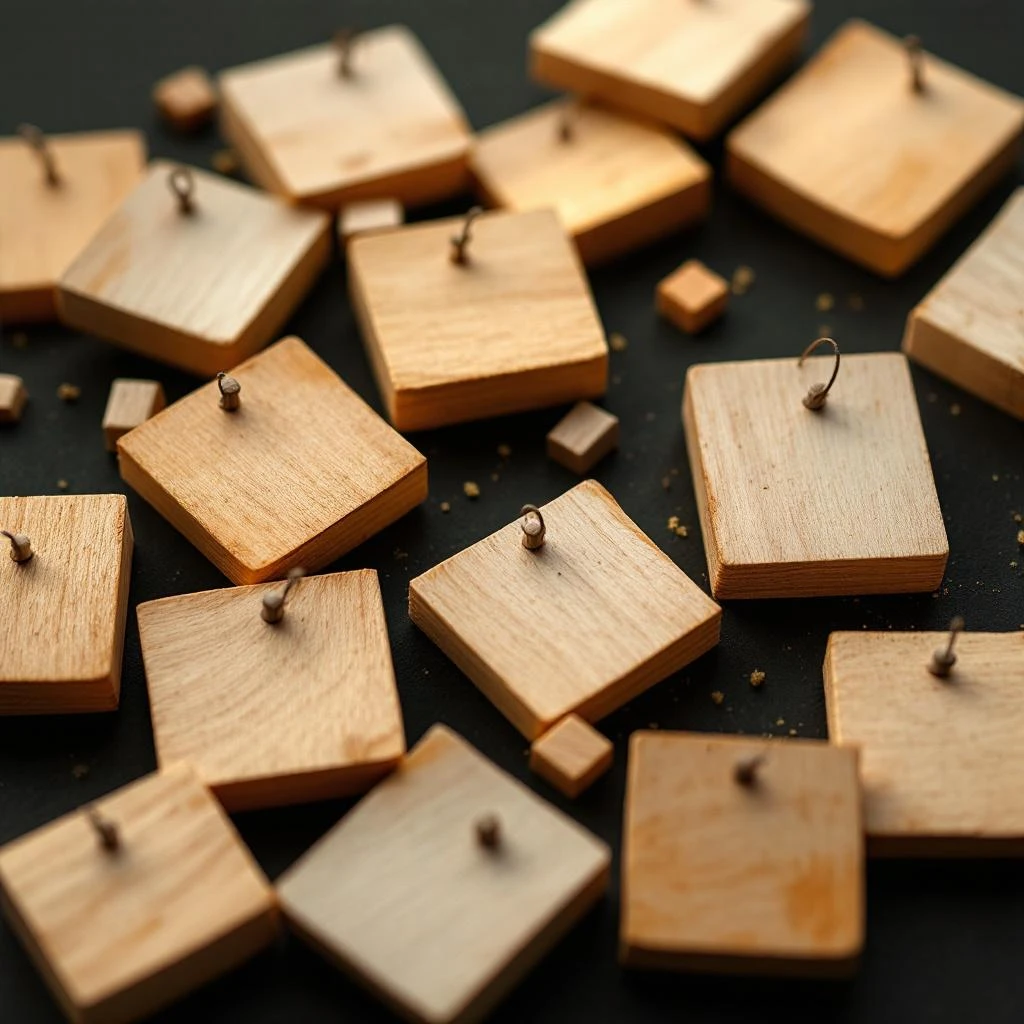
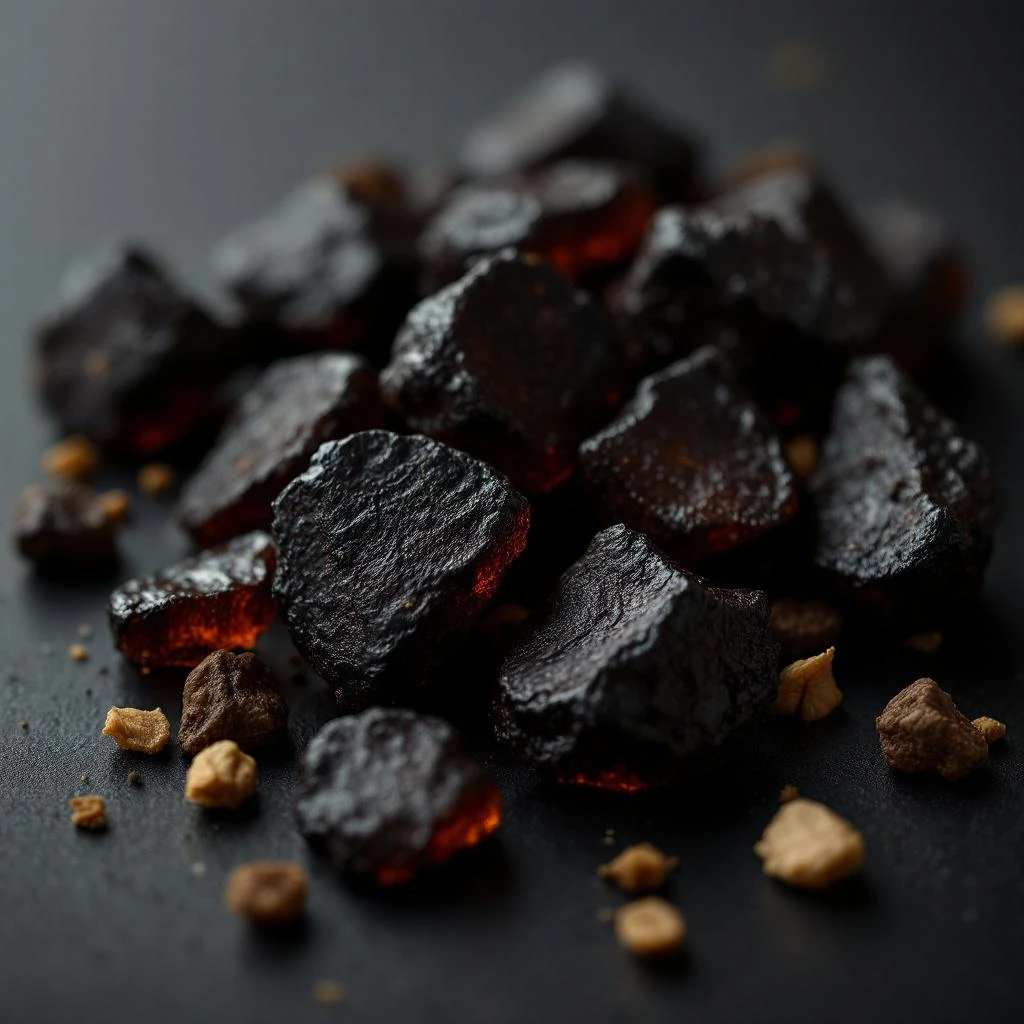
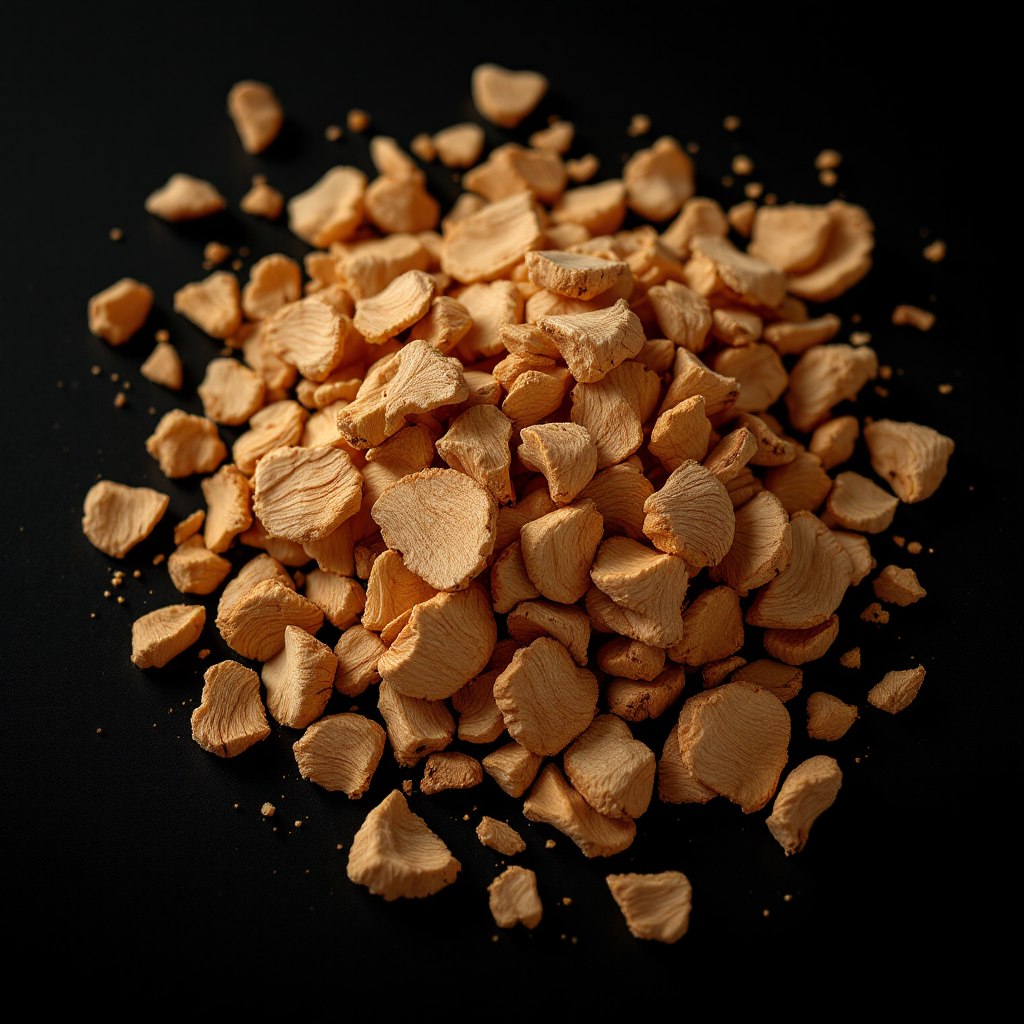
Maple Wood
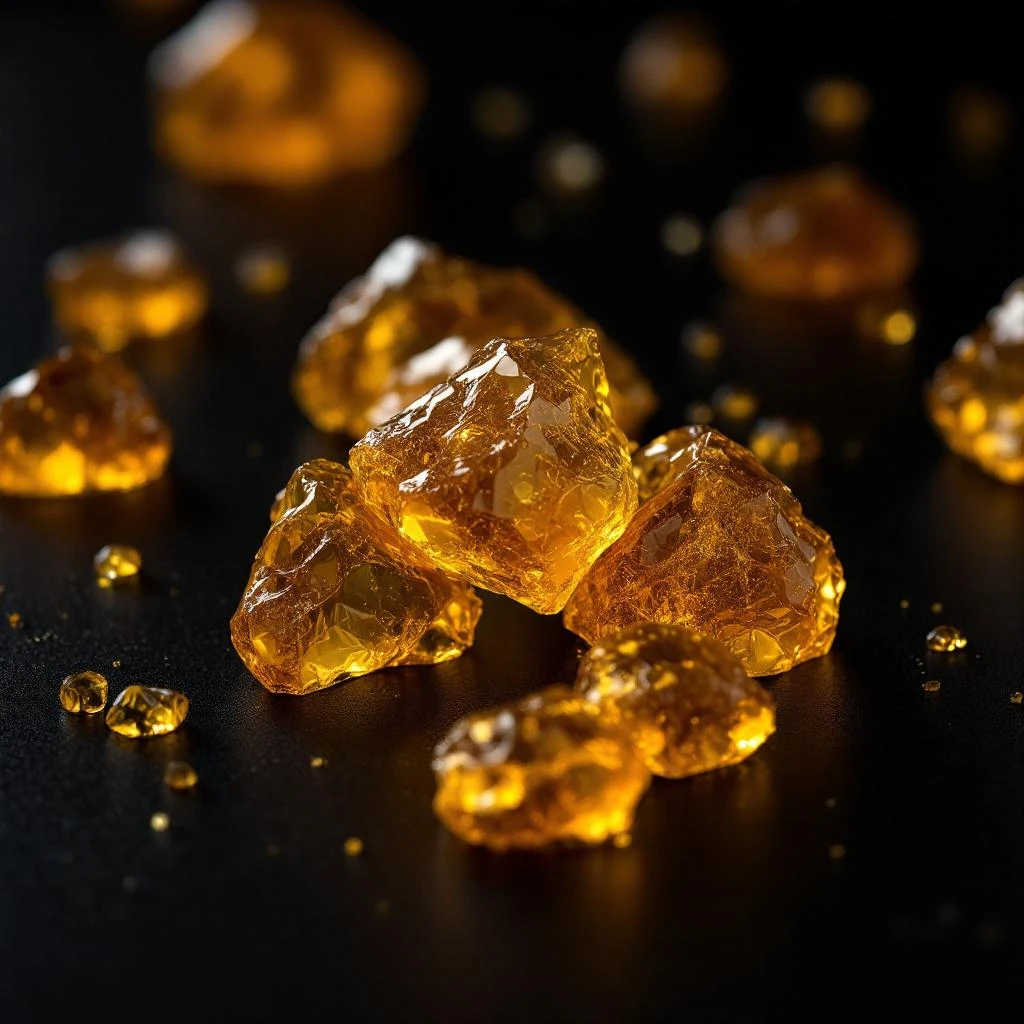
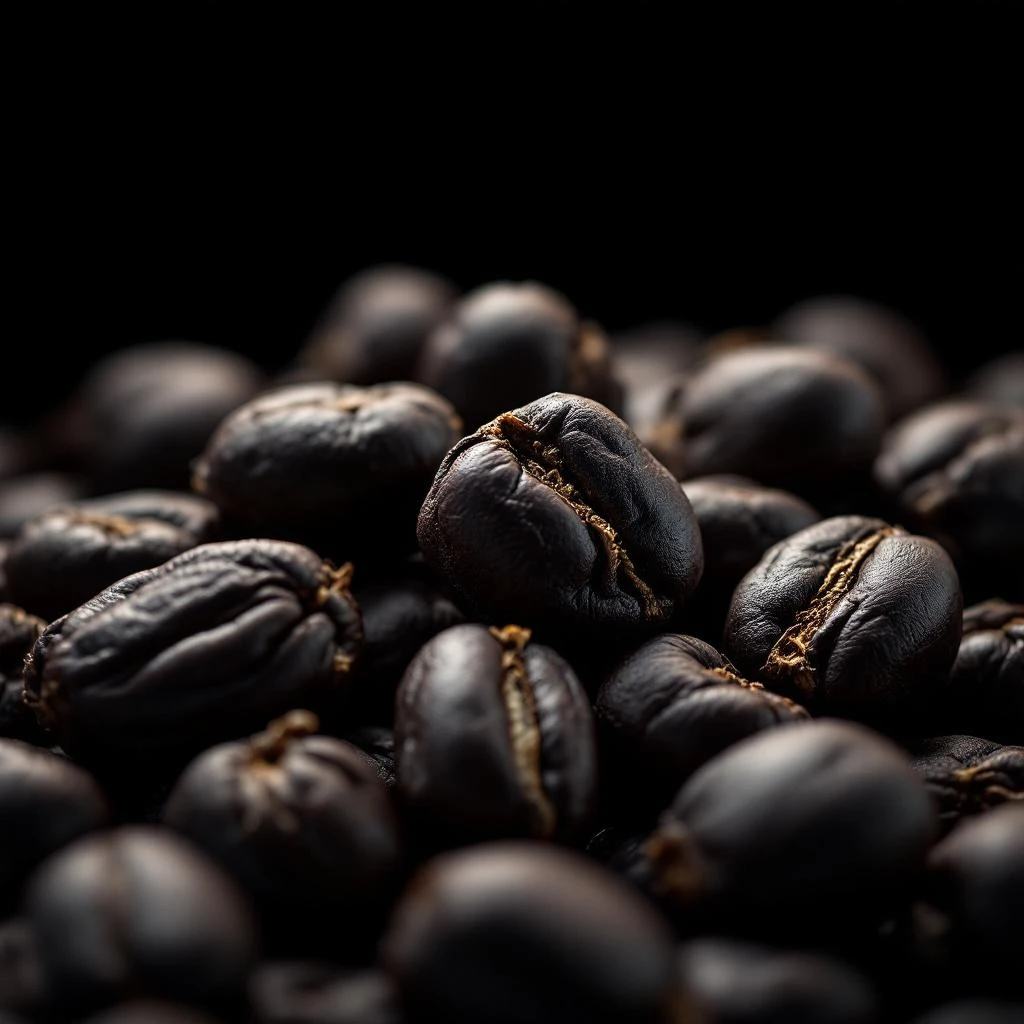
Maple Wood brings autumn's warmth into the bottle—a sweet, caramel-rich base note that grounds fragrances with cozy sophistication.

Character
How it smells
Warm amber sweetness with woody depth.
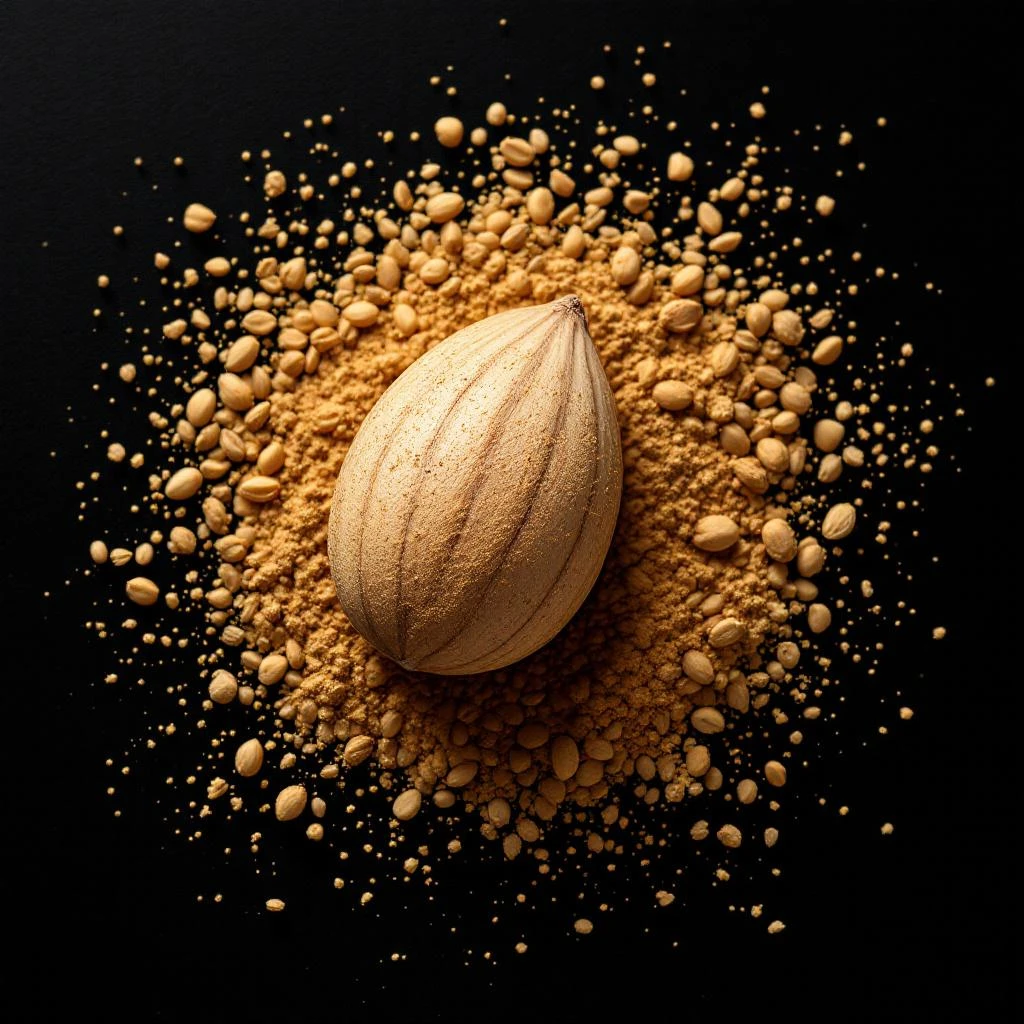
The sugar maple yields both pancake syrup and a richly aromatic wood extract that perfumers have treasured for over a century.






Origin
United States
Indigenous peoples of eastern North America first discovered the sugar maple's value centuries before European contact, using both sap and wood for food, medicine, and fuel. French settlers in 17th-century Quebec formalized maple sugaring practices, transforming maple harvesting into a seasonal tradition still observed today. While maple syrup became a culinary icon, the tree's aromatic potential in perfumery developed more slowly.
Natural perfumers began experimenting with maple wood extracts in the early 20th century as they sought distinctly North American ingredients. The rise of regional perfumery movements brought renewed attention to indigenous materials. By the mid-century, a handful of North American fragrance houses incorporated maple absolute into compositions marketed as distinctly New World.
Today, maple wood remains an uncommon but cherished ingredient—a nod to North American olfactory heritage that adds warmth and authenticity to autumn-inspired fragrances.
Wears it best
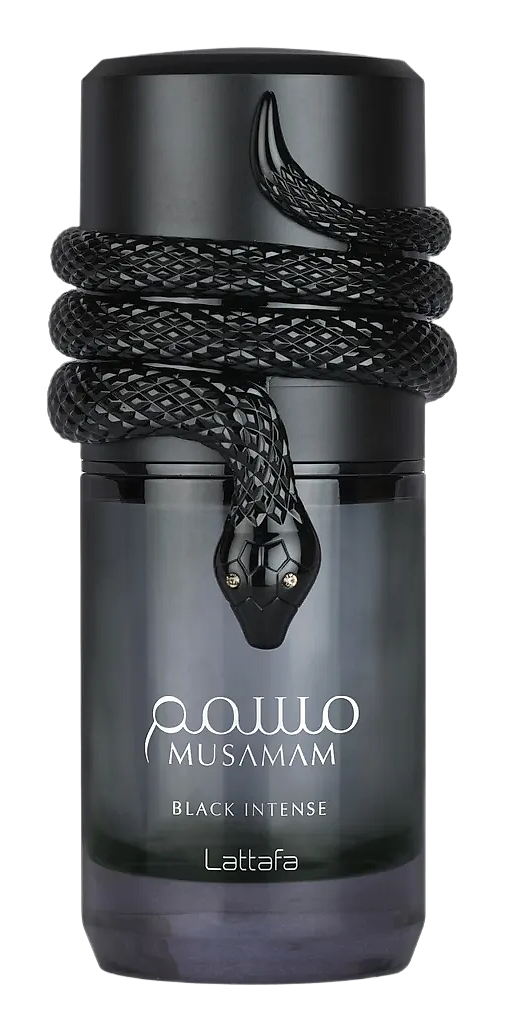
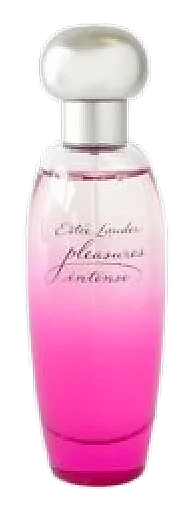
Fragrances featuring Maple Wood
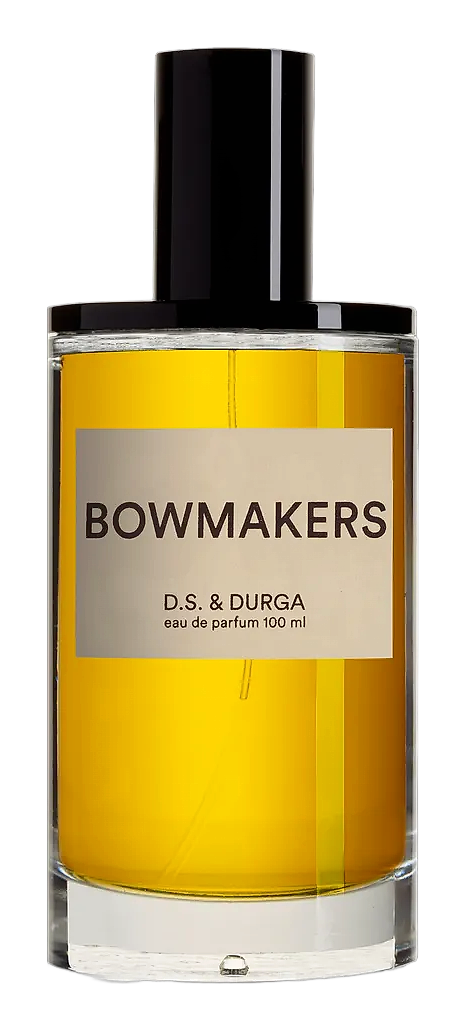
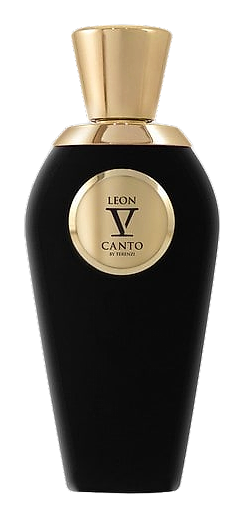
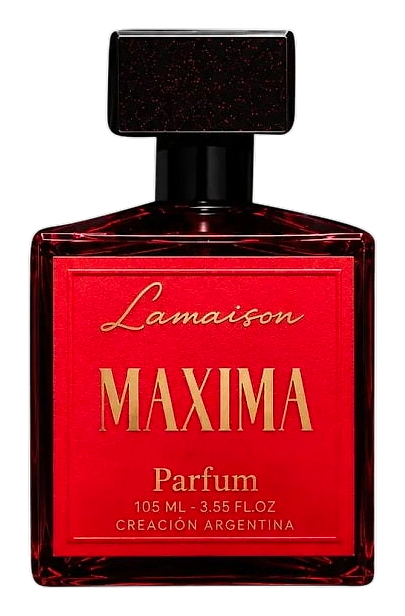

Brands
Brands known for Maple Wood
Good to know
Questions, answered
The essentials on Maple Wood in perfumery: how it smells, where it comes from, and how it behaves on skin.
Does maple wood smell like maple syrup?
Maple wood absolute carries warm, caramel-like sweetness but with woody, smoky undertones distinct from pure syrup. It reads as a sophisticated amber-woody note rather than a literal syrup replica.
What type of maple produces perfumery-grade wood?
Acer saccharum, the sugar maple, yields the finest aromatic wood. Trees must reach at least 40 years of age for optimal compound concentration in the heartwood.
Is maple wood a natural or synthetic ingredient?
Maple wood absolute is a genuine natural extract. However, laboratories also produce maple lactone, a synthetic aroma molecule that mimics the characteristic maple sweetness.
What fragrance families pair well with maple wood?
Maple wood excels in gourmand, amber, and woody compositions. It harmonizes with vanilla, tonka, sandalwood, and spice notes like cinnamon and cardamom.
How does maple wood function in a fragrance formula?
Maple wood serves as a base note and fixative. Its molecular density slows fragrance evaporation, extending the longevity of lighter top and heart notes.
Where does quality maple wood absolute originate?
The finest maple wood extracts come from northeastern North America—particularly Vermont, Quebec, and Ontario—where sugar maple forests are most concentrated.
Can maple wood trigger allergies like other natural materials?
Standard allergen testing applies to all natural extracts. Maple wood absolute contains no EU-listed fragrance allergens, though individual sensitivities vary.
Is maple wood used in men's or women's fragrances?
Perfumers deploy maple wood without gender constraints. Its warm, cozy character appears in masculine orientals and feminine gourmand compositions alike.