Violin varnish
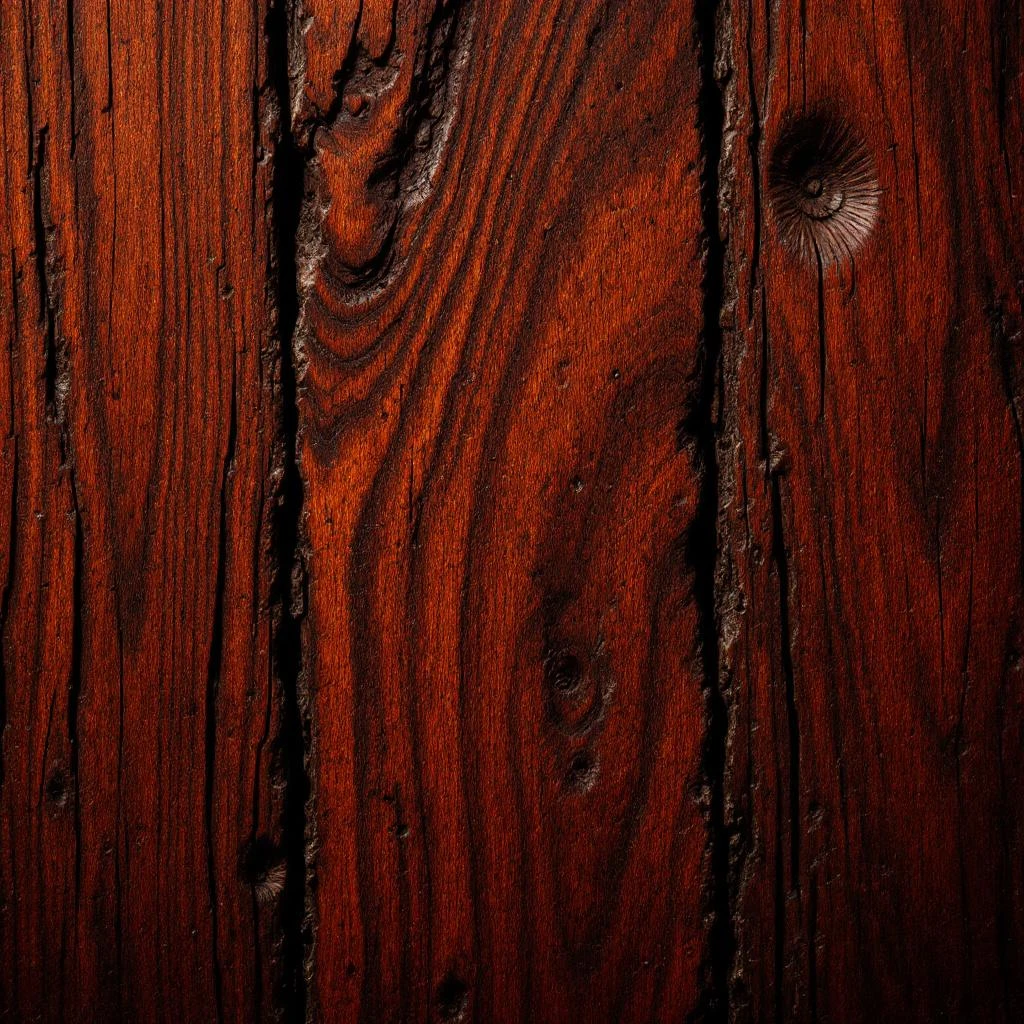
A warm, resinous accord drawn from materials luthiers have used for centuries to protect and beautify string instruments. Evokes aged wood, amber light, and the quiet resonance of a workshop.

Character
How it smells
Amber resonance from a master's workshop.
The violins of Stradivari and Guarneri owe part of their mystique to traditional varnish formulas still studied today by craftspeople.






Origin
Italy
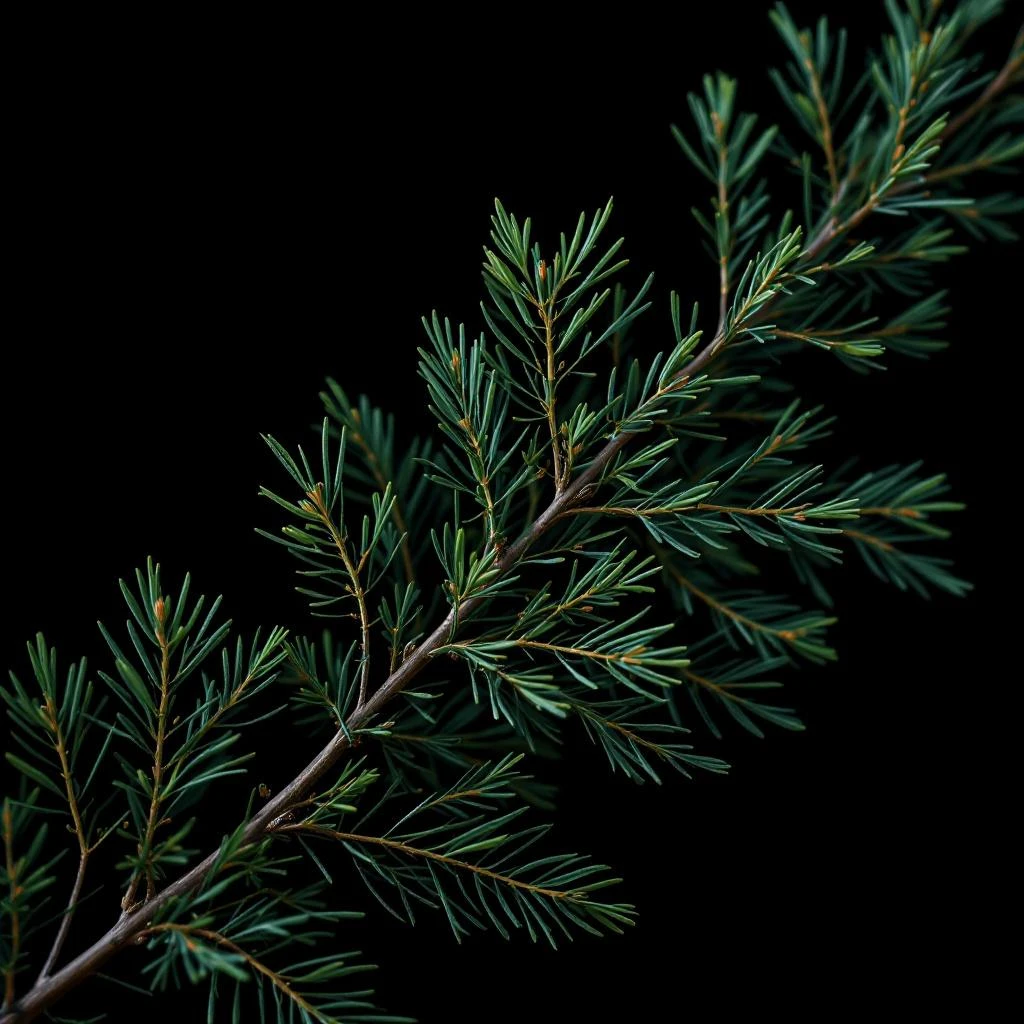
Italian luthiers of the Renaissance began experimenting with resinous coatings around the fifteenth century, seeking formulations that would protect wood while allowing it to resonate freely. The workshops of Cremona became renowned for their secretive varnishing traditions, with masters like Antonio Stradivari developing proprietary mixtures combining pine pitch, linseed oil, and aged rosin. Guild records from the period reveal that varnish quality directly influenced instrument value.
During the nineteenth century, French perfumers discovered these amber-resinous materials and began incorporating them into compositions, drawn to their unexpected warmth and the textured depth they provided. Today, restorers and perfumers alike continue studying historical recipes to understand why certain formulas have endure centuries of use.
Wears it best
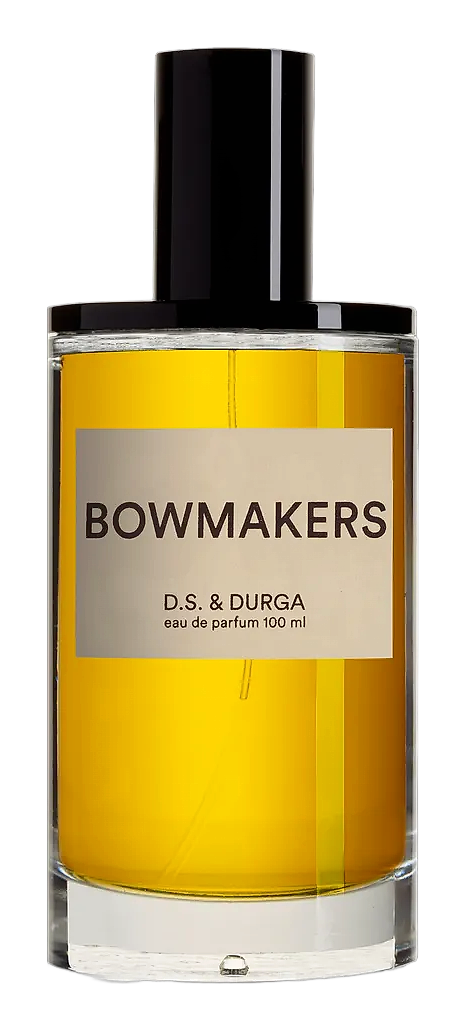
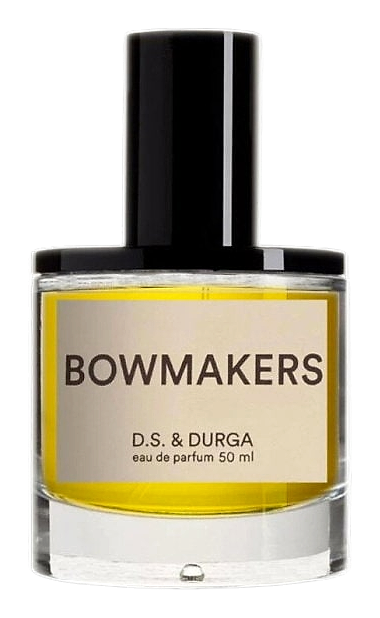
Fragrances featuring Violin varnish
Brands
Brands known for Violin varnish
Good to know
Questions, answered
The essentials on Violin varnish in perfumery: how it smells, where it comes from, and how it behaves on skin.
What is violin varnish accord in perfumery?
It is a warm, resinous fragrance note inspired by traditional luthier materials. Perfumers blend pine pitch essence, rosin absolute, and amber-like materials to capture the characteristic warmth of aged instrument varnish.
What does violin varnish note smell like?
It presents as warm, resinous, and slightly honeyed with an undertone of dried wood. The scent carries an golden quality reminiscent of aged pine and linseed oil, with subtle balsamic depth that suggests antique furniture.
How common is violin varnish in modern fragrances?
Relatively uncommon, appearing primarily in niche and artisanal fragrances. Houses focused on natural materials or vintage-style compositions most frequently incorporate this note, valued for its evocative uniqueness.
Is violin varnish safe for skin application?
Modern fragrance versions use processed and diluted materials that comply with IFRA safety standards. However, natural rosin and pitch components may cause sensitivity in individuals with resin allergies.
What is the difference between natural and synthetic violin varnish?
Natural violin varnish accord relies on actual pine pitch, rosin, and amber materials. Synthetic versions reconstruct the scent profile using aroma chemicals like abietane derivatives and balsamic substrates to achieve similar warmth.
Where do perfumers source violin varnish materials?
Italy and France supply the highest-quality traditional materials, where small producers maintain centuries-old relationships with luthiers. Pine pitch comes from carefully managed forest stands in the Alpine regions.
What ingredients pair well with violin varnish accord?
This note complements warm woods like sandalwood, rich resins such as benzoin and storax, and supporting materials like tonka bean or labdanum. It establishes an anchoring quality in amber and oriental fragrance structures.
Did violin varnish originate in Cremona?
Yes, Italian luthiers of the Renaissance developed varnish formulas in workshops throughout Lombardy, with Cremona emerging as the most celebrated center of instrument crafting and finishing techniques perfected by the Amati, Stradivari, and Guarneri families.