
The Story
Why it exists.
The beginning
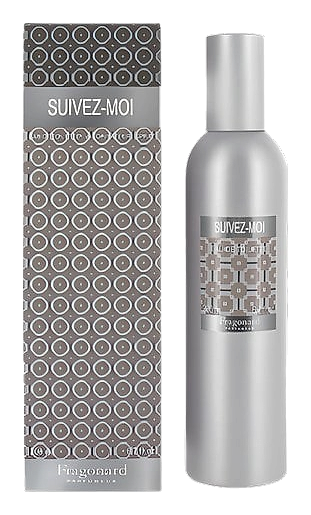
The name says everything. Suivez-Moi, follow me. An invitation, not a demand. Fragonard released this in 2000 as part of their men's classics, leaning into a very French idea of seduction: the one who walks away and trusts you'll follow. No loud declarations. Just a scent that lingers at the edge of a room and waits.
What makes it work is the unexpected warmth buried inside the fougère structure. Lavender and citrus open masculine and direct, then vanilla slides in like a secret. The combination was familiar territory by 2000 (Le Mâle had been doing it since 1995), but Suivez-Moi played it softer. Less performance. More intrigue. The pineapple in the top keeps things from going too sweet, keeping one foot in the aromatic tradition while the other steps toward something gourmand.
The evolution
It opens sharp. Citrus and lavender arrive together, clean, confident, immediate. Within ten minutes the lime recedes and the pineapple peeks through. The heart takes its time. Orange blossom softens the herbs while iris adds powdery depth, creating a middle phase that feels almost floral. Then vanilla arrives. Not loud, it settles beneath everything, warming the base. Amber and musk lock in. The whole thing stays close to skin, projection that asks proximity rather than commanding it. By hour three it's skin-warm and intimate, the kind of scent someone notices only when they're already close enough to speak. The composition maintains its character throughout wear, with each phase bleeding into the next in a seamless transition from bright opening through nuanced heart to warm, comforting drydown.
Cultural impact
Suivez-Moi launched in 2000 with a different sensibility than many of its contemporaries. The lavender-vanilla-citrus combination has since become a recognizable archetype, but this remains one of the more wearable versions, particularly for those who want the effect without the announcement. The fragrance presents a particular take on masculine scent that sidesteps obvious power signaling in favor of something subtler. It offers an alternative approach that emphasizes presence over projection, suggesting that confidence doesn't require volume.